


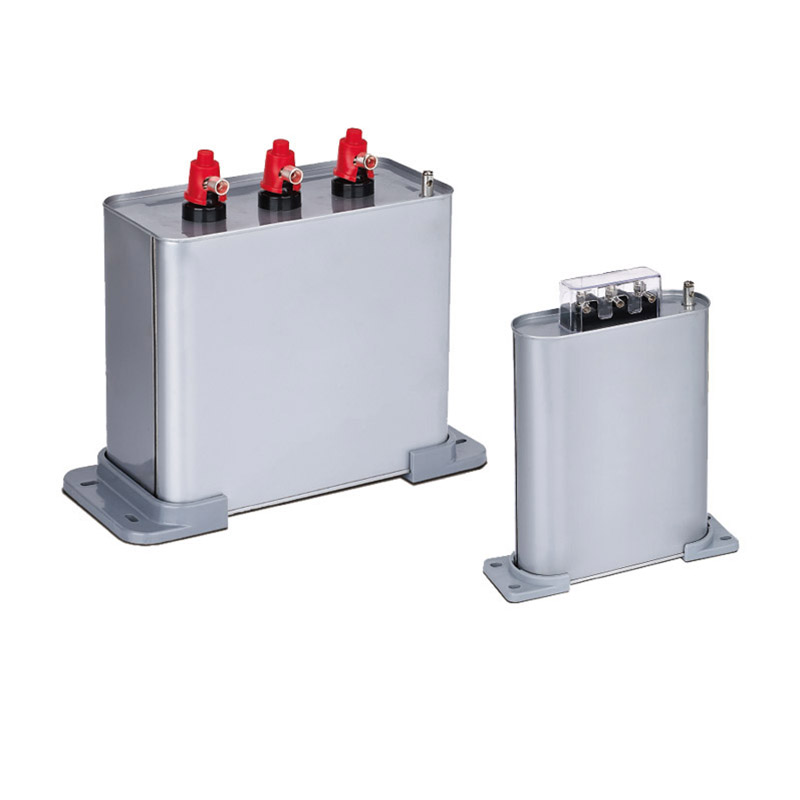
Shunt Capacitors (also called Shunt Power Capacitors) provide an important service for electrical systems by providing reactive power compensation. This makes them an important part of improving power factor, maintaining correct voltage across the electrical system, and improving the overall effectiveness of electrical networks. What are the relevant standards for shunt capacitors? This article provides an overview of the standards governing shunt power capacitors, describes the testing requirements that may be performed on shunt capacitors, and discusses the safety and installation standards that govern shunt capacitor banks.
Understanding Shunt Power Capacitors
Understanding how shunt power capacitors work is important before discussing the details of the different types of standards. Shunt Capacitors are usually placed in parallel to the electrical load to provide reactive power to the load, improve voltage regulation, and decrease losses. The use of shunt capacitors to provide local reactive power support helps to stabilize the power system and avoid having to build additional generation or larger transmission lines.
What Is the Standard for Shunt Power Capacitors?
International and regional organizations are the main defining bodies of standards for capacitor banks (power factor correction systems), which are classified by the following categories:
1.IEC 61071The general specifications and test methods outlined in this standard for electrical shunt capacitors include dielectric breakdown standards, capacitor tolerances, and general protection requirements.
2.IEEE C37.99This standard is mainly about verifying how dependable and well performing are shunt capacitor banks used in power systems; meeting both their operations and also providing the required durability under both regular and unpredictable types of system conditions.
3.ANSI C37.90: Additional performance criteria and safety standards are included in this standard to protect shunt capacitor applications from electrical faults or other damaging conditions.
Routine and Type Tests for Shunt Power Capacitors
The production of shunt power capacitors is subjected to two principal tests by manufacturers in order for them to maintain reliable performance and assure their reliability. These are as follows:
Routine Tests: Routine testing of all capacitor units before shipment includes insulation resistance and capacitance testing, as well as determining the dielectric loss factor. Regular routine tests will provide assurance regarding the overall performance and quality of individual capacitors.
Type Tests: bThe manufacturer performs these tests to measure the performance of the capacitors in a capacitor bank under a variety of conditions including over-voltage where there’s too much power flowing through the capacitance; temperature changes to determine what happens to the capacitors in extreme hot/cold conditions; and other types of stress. In addition to measuring performance, type tests will also check to see if the capacitors are manufactured according to all applicable regulations or requirements.
Installation and Safety Standards for Shunt Capacitor Banks
Shunt capacitor banks must be installed safely and properly to ensure safe operation and efficient performance of the equipment. The guidelines provided below can assist in achieving these goals:
Installations must conform to the national electrical codes and local regulations. The installation must contain specific designs for grounding, protective devices and clearance from other equipment according to those codes.
Safety precautions include wearing the correct personal protective equipment (PPE) while installing and maintaining the system, and using lockout/tagout (LOTO) procedures to ensure that electrical energy sources are properly controlled during work on the system.
FAQs About Shunt Power Capacitors
What is the Purpose of a Shunt Power Capacitor?
The main function of a shunt power capacitor is to supply reactive power compensation. This enhances the power factor in an electrical circuit; stabilizes voltage levels; diminishes power losses thus resulting in increased efficiency and reduced energy expenditure.
Where Are Shunt Capacitors Used?
In large facilities such as industrial plants/substations and commercial buildings where large electric-powered equipment is located (inductive loads), shunt capacitor banks provide a means of reducing power factor through reactive compensation.
What Are the Benefits of Reactive Power Compensation?
Shunt capacitors used for reactive power correction help to increase energy savings, keep power quality high, increase the capacity of current electrical systems and reduce the wear on connected equipment.
How Do I Choose the Right Shunt Capacitor?
To choose the correct shunt capacitor, it is essential to evaluate the power requirements of the system, as well as its operating voltage and conditions. Capacitor manufacturers often have products available for shunts, and consulting with industry experts will help ensure compliance with relevant industry standards (such as IEC 61071 or IEEE C37.99).
What Maintenance is Required for Shunt Capacitor Banks?
Routine electrical testing is performed for insulation resistance and the efficiency of your capacitor bank. Inspecting physical damage is also part of routine maintenance of your electrical service. Properly securing all connections and avoiding corrosion can help increase the longevity of your system.
Conclusion
Shunt pwr supplies are vital to improving the efficiency & stability of electric systems. To be successful in your career, it is necessary to have an understanding of the regulations governing how these devices should be designed, tested, and installed. By following industry standards such as IEC61071 and IEEE-C37.99, you can help guarantee that you select the proper shunt power supply for your application, thus improving your reactive power compensation and system performance significantly.
Post time: Jun-12-2026