


A motor start capacitor failure happens when the capacitor that gives a motor its initial starting boost can no longer store or release electrical energy properly. As a result, the motor may hum, start slowly, overheat, trip a breaker, or fail to start completely.
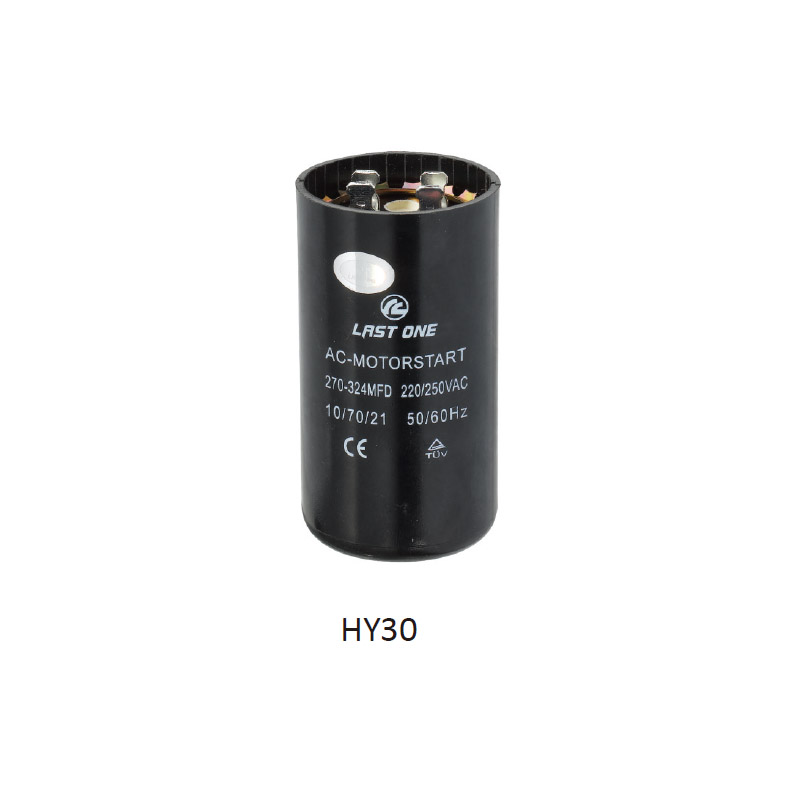
A Motor start capacitor is commonly used in single-phase motors, including those in air conditioners, water pumps, compressors, fans, and garage door openers. It provides extra starting torque for a few seconds, then disconnects from the circuit once the motor reaches operating speed.
Common Signs of a Failing Start Capacitor
A failing start capacitor often causes the motor to hum or buzz without turning, as it lacks enough starting torque. Other signs include slow or intermittent starting, overheating, or tripping breakers during startup. Some motors may only run after being manually spun. Physical damage like a swollen case, leaks, burnt terminals, cracks, or corrosion can also indicate failure though capacitors can fail electrically even when they look normal.
Main Causes of Start Capacitor Failure
Heat is a leading cause of start capacitor failure, especially near compressors or furnaces. Frequent start-stop cycles also shorten lifespan, as start capacitors are designed for brief startup use only. Low or unstable voltage, loose wiring, incorrect replacements, and faulty start relays or centrifugal switches can cause premature failure—if the switch doesn’t disconnect the capacitor after startup, it may overheat. Mechanical issues like worn bearings, jammed pumps, tight belts, or excessive load can also prevent the motor from reaching normal speed, adding stress to the start circuit.
How to Test a Motor Start Capacitor
Testing a motor start capacitor requires caution, as it can retain charge after power is off. Disconnect power, confirm it’s de-energized, photograph the wiring, then discharge the capacitor using a proper resistor or discharge tool—never short the terminals with a screwdriver. Check the label for capacitance (µF/MFD) and voltage rating, then measure with a multimeter in capacitance mode. Replace the capacitor if the reading is far outside the rated range, zero, or shows overload. If the capacitor tests fine but the motor still won’t start, check the relay, centrifugal switch, wiring, supply voltage, and motor load.
Preventing Start Capacitor Failures
Keep the motor area clean and well ventilated to reduce heat buildup. Inspect wiring connections for looseness, corrosion, or burn marks. Make sure the motor is not overloaded by damaged bearings, blocked airflow, pump obstructions, or belt issues.
If a replacement capacitor fails quickly, do not simply install another one. Repeated failure often means there is a problem elsewhere in the starting system or motor. Using a correctly specified electric motor start capacitor from a reliable supplier can also improve long-term performance.
Frequently Asked Questions
Can a motor run with a bad start capacitor?
A motor may run if it is manually spun or already at speed, but it may not start reliably on its own. Continued operation can overheat the motor windings.
Can I use a higher µF capacitor?
No. The microfarad rating should match the manufacturer’s specified range. Using the wrong rating can affect motor torque, current draw, and service life.
Can I use a higher voltage capacitor?
Usually, yes. A higher voltage rating is generally acceptable if the capacitance value is correct and the capacitor is designed for the same application.
A motor start capacitor failure can cause humming, hard starting, overheating, and complete motor shutdown. Replacing the capacitor with the correct part can solve many problems, but checking the entire start circuit and motor load is the best way to prevent repeat failures and protect your equipment.
Post time: Sep-02-2026