


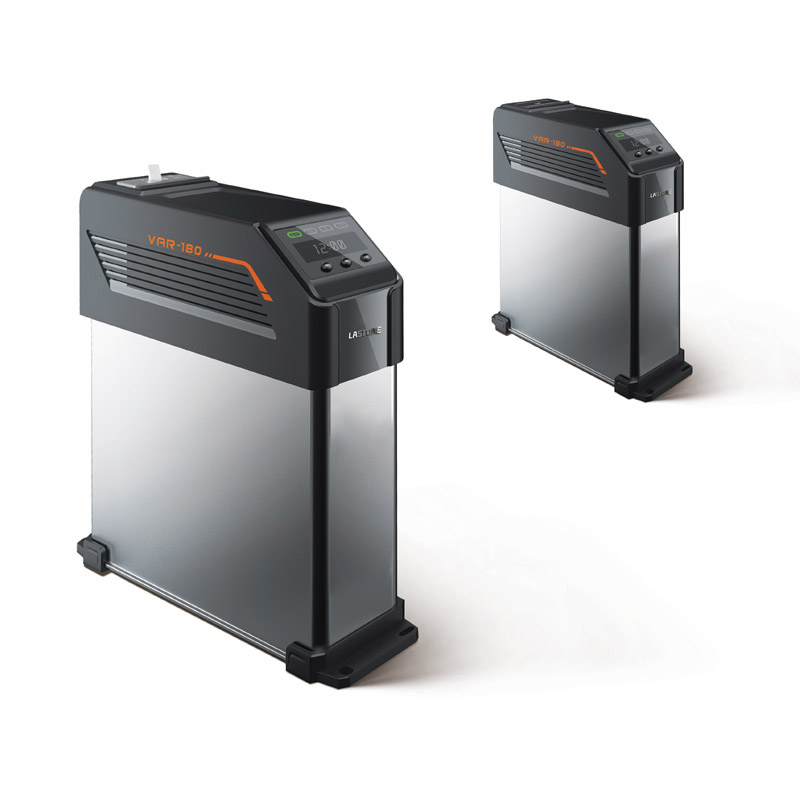
Intelligent capacitors are power factor correction units that combine traditional capacitor banks with built-in control, switching, and protection electronics. Instead of relying on a separate controller and contactor panel, these devices measure reactive power in real time and adjust compensation automatically. The goal is simple: improve power factor, reduce wasted energy, and keep voltage levels stable. For industrial facilities, commercial buildings, and grid-connected sites dealing with variable loads, intelligent capacitors offer a more compact and responsive alternative to conventional capacitor banks.
Why Power Factor Correction Still Matters
When motors, pumps, compressors, and other inductive loads run, they draw more than just active power. They also pull reactive power, which does no useful work but still loads up transformers, cables, and switchgear. Utility companies often charge penalties for poor power factor, and the extra current flow generates heat and voltage drops inside a facility. Intelligent capacitors address this by switching capacitor stages on and off as load conditions change. Because the intelligence is built into each unit, response times are faster and the system adapts without needing a central controller to make every decision.
Where Intelligent Capacitors Fit Best
These units work well in a range of settings where load patterns shift frequently. Common applications include:
●Manufacturing lines with motors that start and stop at different times.
●Automated warehouses using conveyors, lifts, and palletizing equipment.
●Commercial HVAC systems where chiller and fan loads vary with occupancy.
●Water treatment plants with pump duty cycles that change throughout the day.
●Renewable energy sites where inverter output and reactive power needs fluctuate.
In each case, the shared requirement is a compensation system that keeps up with real operating conditions, not just a fixed capacitor bank sized for a single design point.
Features Buyers Should Evaluate
Not every intelligent capacitor is designed the same way. When comparing products, a few technical details help separate practical solutions from incomplete ones:
●Switching technology: Thyristor-based switching offers fast, wear-free operation for rapidly changing loads. Contactor-based switching suits slower, steadier applications.
●Modularity and expandability: Adding more stages later without replacing the entire system saves money as a facility grows.
●Built-in protection: Over-temperature, over-current, and harmonic overload safeguards prevent the capacitors from becoming a failure point themselves.
●Communication interfaces: RS485, Modbus, or Ethernet options allow integration into existing building management or SCADA systems.
●Display and local interface: A clear on-unit display showing power factor, voltage, current, and stage status simplifies commissioning and troubleshooting.
A supplier who can provide detailed technical manuals, application examples, and commissioning support adds value beyond the hardware.
Installation and Day-to-Day Use
Because intelligent capacitors integrate control and switching into one enclosure, installation is usually simpler than building a separate capacitor bank with an external controller. Cable connections are straightforward, and many units auto-detect phase sequence and voltage. Mounting them close to the main loads, with adequate ventilation and protection from dust and moisture, helps maintain performance. After commissioning, most units run quietly in the background, adjusting compensation without manual intervention. Periodic checks on capacitor health, fan operation, and terminal tightness are generally all that’s needed for routine maintenance.
Frequently Asked Questions
How are intelligent capacitors different from standard capacitor banks?
Standard capacitor banks rely on an external power factor controller and separate contactors or breakers to switch stages. Intelligent capacitors have the controller, switching electronics, and protection built into each unit, making them more compact and often faster to install.
Do intelligent capacitors generate harmonics?
Capacitors themselves do not generate harmonics, but they can interact with existing harmonic currents in the network. In facilities with high harmonic distortion, detuned intelligent capacitors or units with built-in harmonic filtering should be considered to avoid resonance and overload.
What happens if one unit in the system fails?
Modular systems are designed so that a fault in one unit does not shut down the entire capacitor bank. The remaining units continue operating, and the faulty module can be replaced without a lengthy shutdown.
How do I know if my site needs intelligent capacitors?
Signs include utility power factor penalty charges on your electricity bill, overheating transformers or switchgear, voltage dips when large motors start, and limited spare capacity in existing electrical infrastructure. A power quality assessment or energy audit can confirm the economic case.
Summarize
Intelligent capacitors address a problem that gets more expensive the longer it goes unattended. Poor power factor raises electricity costs, strains electrical infrastructure, and leaves less room for future expansion. Choosing units that match the actual load profile, withstand the electrical environment, and allow modular growth protects that investment over time. For buyers looking at whole-system reliability, not just component cost, well-specified intelligent capacitors quietly pay for themselves through reduced penalties, lower losses, and a more stable electrical supply.
Post time: Jun-05-2026