


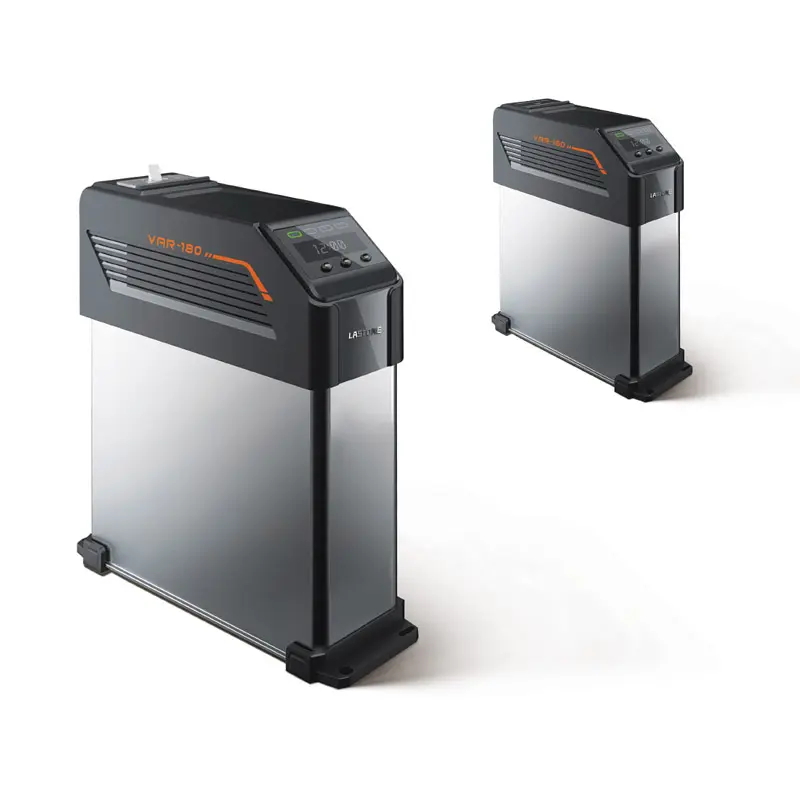
An intelligent power capacitor takes the familiar idea of power factor correction and makes it self-aware. Instead of a fixed capacitor bank that sits there waiting for an external controller to tell it what to do, this device monitors voltage, current, and reactive power on its own and decides when to step in. The result is a system that corrects power factor closer to where the loads actually are, responds faster to changes, and tells you exactly what it is doing in real time.
Why Real-Time Awareness Matters
In a typical industrial or commercial building, loads do not stay constant all day. Motors cycle on and off. Production lines speed up and slow down. An air handling unit might run at full capacity in the afternoon and barely turn over at night. Traditional capacitor banks with a centralized controller handle this well enough on paper, but they tend to correct at the main switchboard and can miss what is happening out on the floor. Intelligent power capacitor units, placed closer to variable loads, react locally. They switch individual capacitor steps based on what they measure right at that point, which reduces reactive power flowing through upstream transformers and cables. Less reactive current means lower line losses, cooler equipment, and often more available transformer capacity without upgrading hardware.
What Sets It Apart
Several practical features show up repeatedly in these designs:
●Self-monitoring and protection:The unit tracks its own internal temperature, voltage stress, and switching cycles. If conditions drift outside safe limits, it can protect itself rather than waiting for an external relay to trip. That helps avoid the common failure mode where a degraded capacitor cell goes unnoticed until it takes out an entire bank.
●Communication without extra wiring:Many intelligent power capacitor modules talk to each other over a simple bus connection or even wirelessly. Installers spend less time running control cables, and facility teams can read status from a single access point. That visibility turns reactive power from an invisible headache into something you can trend, report on, and budget around.
●Modular expansion:Because each unit carries its own intelligence, adding capacity later often means mounting another module and connecting power and communication. There is no need to re-engineer a centralized control scheme.
Where They Make the Most Sense
Sites with distributed, fluctuating loads tend to see the fastest payback. Think of a plastics factory with dozens of small extruder motors spread across a wide floor, or a refrigerated warehouse where compressor banks stage on and off in unpredictable patterns. Instead of running heavy conductors to bring all correction to one spot, the intelligent power capacitor sits near the load centers and corrects where the problem originates.
Commercial buildings with lots of HVAC equipment and lighting also benefit. As more facilities add electric vehicle chargers, the sporadic, high-current nature of that load creates voltage sags and poor power factor at times no one can predict. Local correction that adapts on the fly keeps the electrical system stable without requiring constant manual adjustment.
What to Ask Before Specifying
A few points help separate a well-executed product from a basic capacitor in a box. Ask how the unit handles over-temperature conditions does it gracefully reduce output or simply disconnect? Check whether the communication protocol is open enough to talk to a building management system you already have. Look at the expected switching life of the internal contactors or semiconductor switches, because frequent load changes mean far more operations per day than a traditional fixed bank would ever see.
Summarize
Intelligent power capacitor modules do not replace the need for a well-designed distribution system, but they solve a real problem: reactive power that moves around and changes hour by hour. By correcting locally, protecting themselves, and giving facility teams the data they need, they turn power factor correction from a set-and-forget installation into a responsive part of the energy strategy. For anyone managing loads that refuse to sit still, that shift makes a measurable difference in both electrical performance and operating cost.
Post time: May-25-2026