


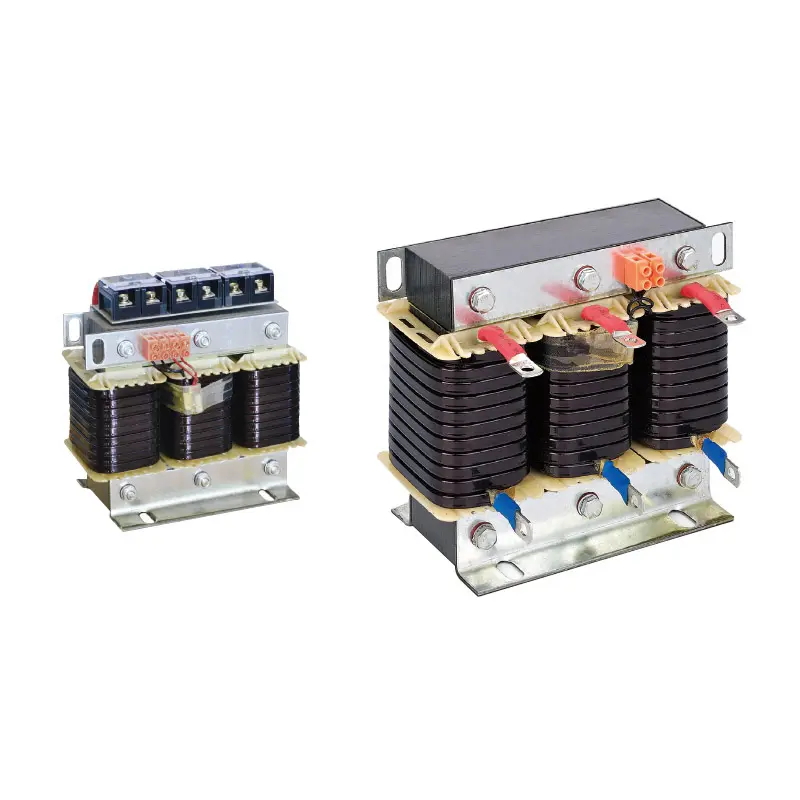
Modern equipment like VFDs, LED lighting, and HVAC systems introduces distortion into your electrical network. This unwanted noise travels back through wiring, leading to overheating and nuisance tripping. A harmonic filter cancels this interference, and the Harmonic Filter Reactor sits at the core of that solution. Built rugged to handle thermal and electrical stress, this magnetic component keeps your assets protected and operating costs down all explained here without the engineering complexity.
The Hidden Cost of Electrical Noise
If your breaker panels are humming louder than usual or your transformers feel hot to the touch, you’re likely dealing with harmonic currents. These are multiples of the standard 60Hz frequency that do no useful work. Instead, they waste energy as heat. Over months and years, this heat degrades insulation on cables and busbars. The result? Unplanned downtime and replacement of equipment that should have lasted another decade.
The Harmonic Filter Reactor is the first line of defense here. It acts like a shock absorber, presenting a high impedance to high-frequency noise while allowing the standard 50/60Hz power to flow freely. This prevents the “pollution” from spreading to other machines on the same floor.
How It Actually Protects Your Investment
You don’t need to be an electrical engineer to understand the benefit. Think of a reactor as a bottleneck for bad energy. When paired with capacitors in a tuned filter circuit, the Harmonic Filter Reactor creates a specific detour. Instead of letting the 5th or 7th harmonic current bounce around your main distribution panel, the reactor pulls that specific frequency into the filter bank and dissipates it safely.
This matters for three specific reasons you’ll notice on the monthly balance sheet:
●Reduced Demand Charges: Utilities often penalize facilities for poor Power Factor and harmonics. Cleaning up the waveform keeps those extra fees off the invoice.
●Motor Longevity: Motors running on distorted voltage run hotter. A 10°C increase in motor winding temperature can cut insulation life in half.
●Reliable Controls: PLCs and sensitive measurement equipment can glitch or reset when voltage waveforms are flat-topped. A cleaner sine wave equals fewer midnight service calls.
Where This Equipment Makes the Biggest Difference
While these units are found in everything from data centers to water treatment plants, a few specific environments see a near-immediate return on investment:
●Manufacturing Floors with VFDs: A single stamping press or conveyor line without front-end filtering will often cause the lights to flicker. Placing a detuned reactor system upstream resolves the flicker and satisfies IEEE 519 compliance requirements for the point of common coupling.
●HVAC Chiller Plants: Large chillers with variable speed drives are notorious for generating 5th harmonic current. Without mitigation, the transformer feeding the building might need to be oversized by 20-30% just to handle the extra heat.
●Solar and Battery Storage Interfaces: Inverters are switching power supplies. They need a smooth interface with the grid. The reactor helps manage the di/dt stress on the inverter’s internal components.
Detuned vs. Tuned: A Quick Buyer’s Note
If you’re looking at a solution that includes capacitors for power factor correction, pay close attention to the reactor. Some systems use a standard iron core; others use a specialized design with an air gap to prevent saturation under high distortion. A well-designed reactor will be rated for linear performance up to a specific percentage of current distortion. Skimping here often leads to capacitor failure within the first year.
Conclusion
The goal isn’t to turn a facility into a lab-grade clean room for power. The goal is practical reliability. By integrating a properly sized Harmonic Filter Reactor into your distribution scheme, you’re essentially buying insurance against the most common and expensive electrical headaches. It’s a passive device no moving parts, no daily maintenance that quietly works in the background to keep your operations smooth and your equipment cool.
If you’re evaluating upgrades to a motor control center or simply tired of replacing fuses that blow for no apparent reason, looking closer at the harmonic profile of your load is the logical next step. The fix is often simpler and more mechanical than most software-based solutions would lead you to believe.
Post time: Apr-29-2026