


Shunt capacitors are common, cost-effective devices that improve energy efficiency and provide stability to electrical grids. Understanding their role and benefits helps power engineers, business managers, and energy buyers make better decisions. This guide covers what shunt capacitors are used for, how they compare to other capacitor types, and their main advantages in electric grids.
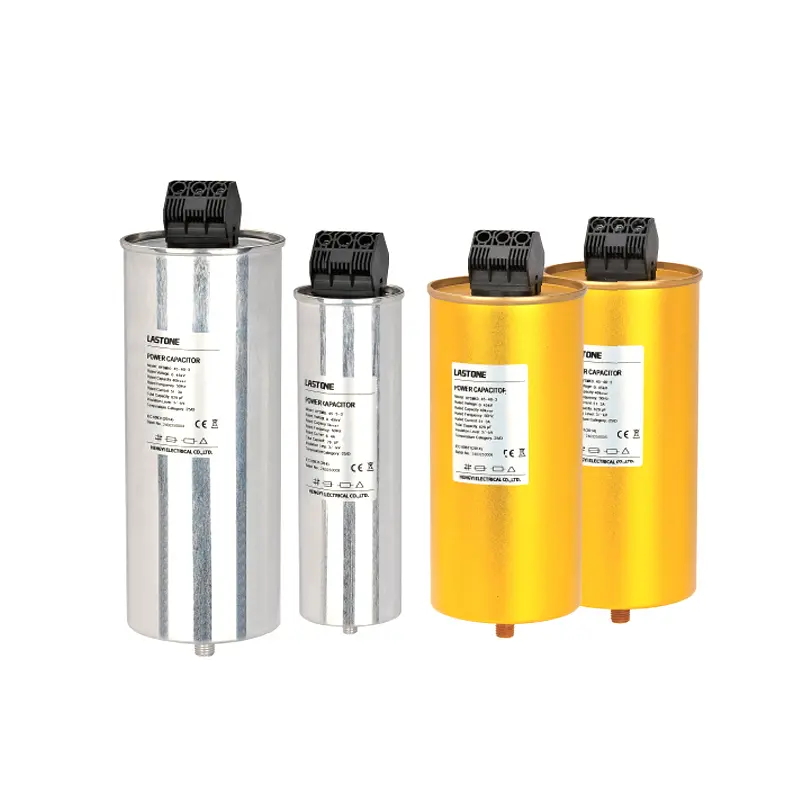
Shunt Power Capacitor
Shunt power capacitors improve the distortion in electricity systems by compensating for reactive or non-working power, which is produced by inductive loads (e.g. motors, transformers, and HVAC systems). By supplying reactive power on-premises with shunt capacitors, you are diminishing the impact of the electricity grid on the electrical system and improving the overall efficiency of the overall electricity system.
Shunt capacitors are typically located in parallel with the load in the shunt capacitor bank, and they are responsible for reducing losses in energy transfer and increasing voltage levels throughout the electrical system. Shunt power capacitors are also important for supply from industrial plants, commercial facilities and businesses that deliver electricity to customers.
Benefits of Shunt Capacitors
The most common use for shunt power capacitors is improving the power factor of electric systems. Power factor is defined as the ratio between active or used power and total or apparent power supplied. A low power factor means that more current is needed to get a given amount of real, or active power and indicates that the electrical system is using more power than required by the equipment.
Shunt capacitors are installed in electrical systems for the following benefits:
●Voltage Regulation: Shunt capacitors will help stabilize the voltage in a long-distance power transmission system and keep the voltage from diminishing.
●Reduces Power Losses: Shunt capacitors supply reactive power and help reduce the amount of current in an electrical system, thus reducing power losses and improving energy efficiency.
●Reduce Transformer Loading: Shunt capacitors offer reactive power locally, relieving transformers and generating plants of the extra load which will result in increased lifetime and better overall performance of the entire electrical system.
●Economic Benefits: Using shunt capacitors for improved energy efficiency results in lower energy costs for industrial customers and utilities by reducing electric bills due to lower consumption and by avoiding additional costs due to a poor power factor.
Difference Between Capacitor and Shunt Capacitor
All capacitors are energy storing devices, but the difference is in how they are used. Where general-purpose capacitors can be used to store energy and/or signal processing along with many different circuits, shunt capacitors are primarily used in power systems for altering the power factor.
Shunt capacitors are designed to supply reactive power to the electrical system. They are connected across the load in a parallel connection, and they are most often used in high-power electrical systems. Standard capacitors, by contrast, are most useful for lower-power applications such as in audio tuning circuits, smoothing AC electricity, etc.
Advantages of Shunt Capacitors
Shunt power capacitors provide numerous power system advantages, including:
1. Improved Power Factor: They offset reactive power by increasing the system’s total power factor, which reduces the demand charges associated with their utility bill.
2. Increased System Capacity: By adding shunts to a system, you free up capacity in the system; i.e., more energy can be used to operate additional load without having to install expensive new infrastructure.
3. Voltage Stability: The shunt capacitor can boost the level of the voltage, causing the system to perform more reliably, especially at times of peak demand.
4. Reduced Energy Cost: By reducing losses through transmission lines, shunt capacitors provide significant savings over time to the purchasing organization.
5. Equipment Life: The reduction in current flow and boost in voltage provided by a shunt capacitor reduces equipment wear, thus prolonging the life of the equipment.
Applications of Shunt Capacitor Banks
Shunt capacitor banks consist of many shunt capacitors connected together in parallel and are used to solve different power quality issues across a variety of industries and sectors. Some of the uses of shunt capacitor banks include:
●Industrial Facilities: Shunt capacitor banks are used to stabilize voltage and increase efficiency in manufacturing facilities that have large electric motors or large electric machinery.
●Power Distribution Networks: Shunt capacitor banks are used for optimizing power delivery and reducing transmission losses over long distances.
●Renewable Energy Systems: Shunt capacitor banks are used to address problems created by reactive power in both wind farms and solar farms.
●Commercial Buildings: Shunt capacitor banks help commercial facilities avoid penalties for poor power factor imposed by their electrical utility.
FAQs About Shunt Power Capacitors
What is a shunt power capacitor? A shunt power capacitor is used to locally improve the power factor of the electrical system and stabilize voltage by providing reactive power locally at a location within an electrical system.
What is the difference between a capacitor and a shunt capacitor? Capacitors in general are used for storing energy or filtering an electrical circuit, whereas shunt capacitors are specifically designed to provide reactive power correction within electric power distribution networks.
What are the benefits of using shunt capacitors? These benefits include increased energy efficiency, reduced power losses, stable voltage levels, extended useful life of equipment, and decreased energy usage costs.
Shunt capacitors and capacitor banks are very important tools in enhancing the performance, stability, and cost-effectiveness of power systems. The ability of shunt capacitors and banks of shunt capacitors to resolve challenges caused by reactive power makes them indispensable tools in industrial, commercial, and utility applications.
By understanding the value of shunt power capacitors and utilizing the advantages of shunt capacitors, businesses can improve their operational efficiencies and achieve energy efficiency objectives!
Post time: Apr-15-2026