


A capacitor is a fundamental electronic component that stores and releases electrical energy. Think of it as a tiny, fast-acting rechargeable battery. In a direct current (DC) circuit, it charges up and holds that energy until it’s needed. In an alternating current (AC) circuit, its role shifts to continuously filtering signals and helping motors run efficiently. This simple function of smoothing power flow makes capacitors essential in almost every electronic device you own.
The Critical Role of a Motor Capacitor
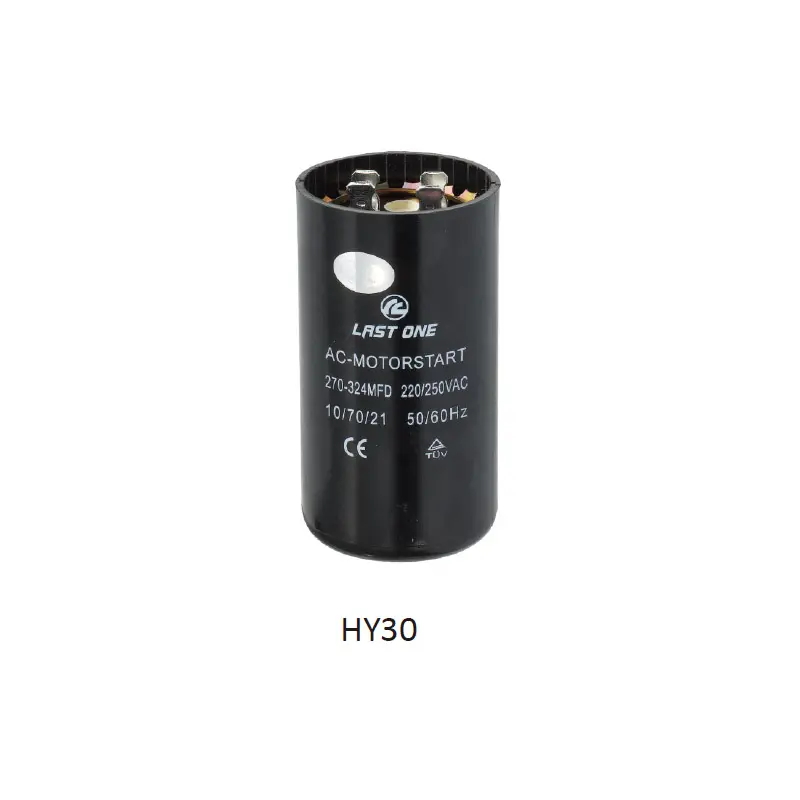
When it comes to larger appliances, the function of a capacitor becomes even more specialized. This is where the Motor Capacitor comes into play. In devices like air conditioners, furnaces, and pool pumps, an electric motor needs a huge burst of energy to start spinning. The Motor Capacitor provides this immediate jolt of power. Without it, the motor would likely hum, struggle to turn, and eventually burn out.
Once the motor is running, some capacitors stay in the circuit to keep it running smoothly. By storing energy and releasing it in a controlled way, they help maintain a steady power supply, which prevents the motor from overheating and reduces wear and tear on the unit.
Key Benefits You Actually Experience
You don’t need to be an electrician to appreciate what a good capacitor does. Here is how it impacts your daily life and appliances:
●Reliable Start-Ups: The most noticeable benefit is that your air conditioner or refrigerator starts up immediately without clicking repeatedly or failing to turn on.
●Energy Efficiency: By helping the motor run at its optimal power factor, a quality Motor Capacitor can reduce the amount of electricity wasted as heat. This can lead to slightly lower energy bills.
●Extended Appliance Life: When a motor gets the right amount of power at the right time, it experiences less mechanical stress. This means your expensive equipment lasts longer and requires fewer repairs.
●Consistent Performance: It smooths out the power supply, which means your HVAC system delivers consistent airflow and your power tools maintain steady torque.
Usage Scenarios
You will find these components working hard in a wide range of settings:
●HVAC Systems: This is the most common application. Your central air conditioning unit and heat pump use them to start the compressors and outdoor fans.
●Home Appliances: Refrigerators, washing machines, and garbage disposals all rely on capacitors to run their internal motors.
●Industrial Machinery: Large conveyor belts, pumps, and factory equipment depend on heavy-duty capacitors for operation.
●Electronics: In smaller devices like power supplies and amplifiers, capacitors filter out electrical noise to give you cleaner power and clearer audio.
When Should You Pay Attention?
If you notice a humming sound coming from your air conditioner, or if a motor feels hot to the touch, the capacitor might be failing. Because they store energy, a faulty capacitor is a common and relatively inexpensive fix that can prevent a much costlier motor replacement. Understanding their basic function helps you diagnose problems early and maintain the health of your equipment.
Post time: Mar-13-2026