


Shunt Power Capacitor technology is essential to improving power quality and efficiency in modern electrical networks. This article answers the core question, “What is a shunt power capacitor?” and provides useful insight into its types, applications, and how it differs from series capacitors. Whether you are an engineer, buyer, or facility manager, you’ll find concise guidance for selecting and using shunt capacitors effectively.
What Is a Shunt Power Capacitor?
A shunt power capacitor is a device connected in parallel (shunt) to an electrical circuit. Its primary function is to compensate for reactive power and improve power factor in AC systems. By injecting leading reactive power, shunt capacitors offset the lagging reactive power drawn by inductive loads such as motors and transformers. This boosts system efficiency, reduces losses, and stabilizes voltage throughout the network.
How Shunt Capacitors Improve Power Factor
In electrical systems, many loads are inductive, causing a lower power factor and increased energy consumption. Shunt capacitors correct this by providing leading reactive power, which balances the lagging reactive power. The result is efficient current use, lower energy costs, and increased longevity for cables and equipment. Power factor correction using shunt capacitors has become standard practice for industrial and commercial installations.
Types of Shunt Power Capacitors
Shunt power capacitors are tailored for different voltage levels and load demands:
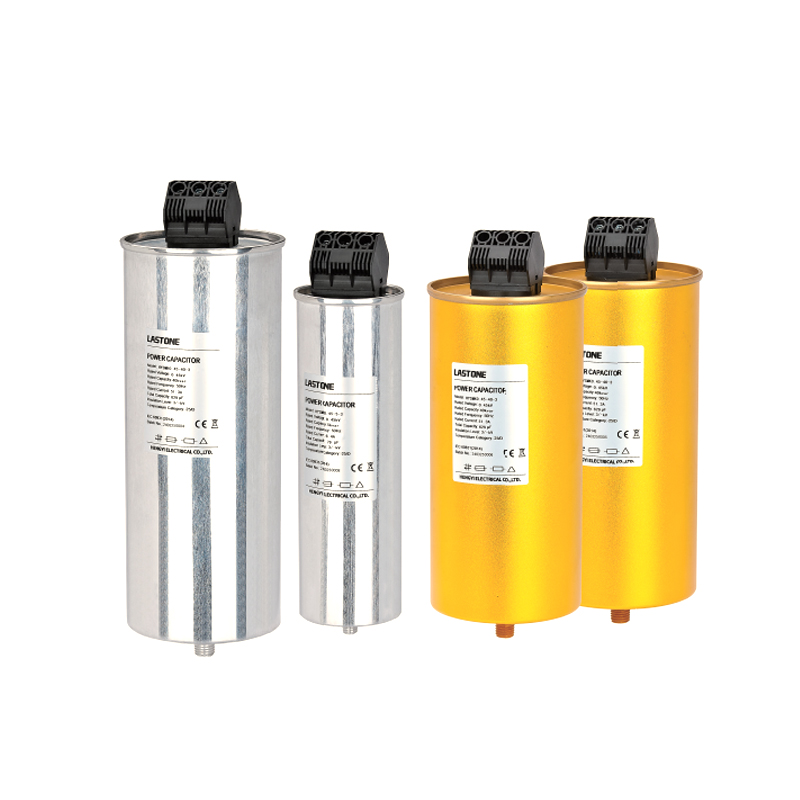
● Low Voltage Shunt Capacitors: Used in residential and commercial facilities, these are rated up to 1 kV and are often installed in distribution panels.
● Medium and High Voltage Shunt Capacitors: Designed for larger installations, such as industrial plants and utility substations, these can handle voltages ranging from 1 kV up to 33 kV or even higher.
● Automatic Power Factor Correction Panels: These panels combine multiple shunt capacitors with controllers that switch them on or off as load demand changes.
Choosing the right type is based on voltage level, load variability, installation environment, and budget.
Key Applications of Shunt Power Capacitors
Shunt power capacitors play a vital role in various industries:
● Industrial Manufacturing: Large motors and machinery are major sources of inductive loads. Shunt capacitors installed here reduce losses and lower electricity bills.
● Commercial Buildings: Offsets power factor penalties, boosts voltage stability, and lowers energy costs in offices, malls, and hospitals.
● Utility Grids: Utilities use shunt capacitors to improve voltage regulation and reduce transmission losses.
● Renewable Energy Plants: Shunt capacitors stabilize output from wind, solar, and other sources, ensuring reliable grid integration.
● Railways and Data Centers: Ensures voltage support and protects sensitive systems from dips or fluctuations.
Shunt capacitors make electrical networks more resilient and cost-effective by improving system power quality.
Shunt Power Capacitor vs. Series Capacitor
While both shunt and series capacitors are used in power systems, they serve different purposes:
● Shunt Capacitors: Connected in parallel, shunt capacitors provide power factor correction and voltage stability by compensating for reactive power.
● Series Capacitors: Installed in the current path, series capacitors improve transmission efficiency by reducing line reactance and helping to maintain voltage over long lines.
Choosing either depends on system needs; often, both are used to optimize network performance.
Installation, Maintenance, and Troubleshooting
Proper installation and regular maintenance are crucial for shunt power capacitors. Capacitors should be installed close to inductive loads for maximum effect. Routine inspection for signs of wear, leakage, or insulation issues, along with electrical testing, keeps systems reliable. Protection devices, such as fuses and contactors, are recommended. If problems such as overheating or erratic power factor arise, troubleshooting should be performed by qualified professionals.
FAQ About Shunt Power Capacitors
What types are available?
Low, medium, and high voltage, as well as automatic panels for load-adjusted correction.
Key applications?
Industrial, commercial, utility, renewable, and transport sectors.
Difference from series capacitors?
Shunt capacitors correct power factor; series capacitors improve transmission efficiency.
Shunt capacitors play a vital role in electrical systems to improve power quality, decrease losses, and cut costs. Understanding the different types, uses, and maintenance of the shunt capacitors helps their users in making wise choices ensuring the benefits of the flexibility of shunt capacitors applications in multiple fields. Shunt power capacitors are the effective and reliable means of power management in the way of modernization of power systems.
Post time: Sep-30-2026