


Motor capacitors are essential elements in the field of electrical as well as mechanical engineering as they serve to improve the work of electric motors. There are small devices in households that make use of them as well as big machines in factories. This article will discuss the common characteristics of different motor capacitors, their uses, and indications of defects.
What Is a Motor Capacitor?
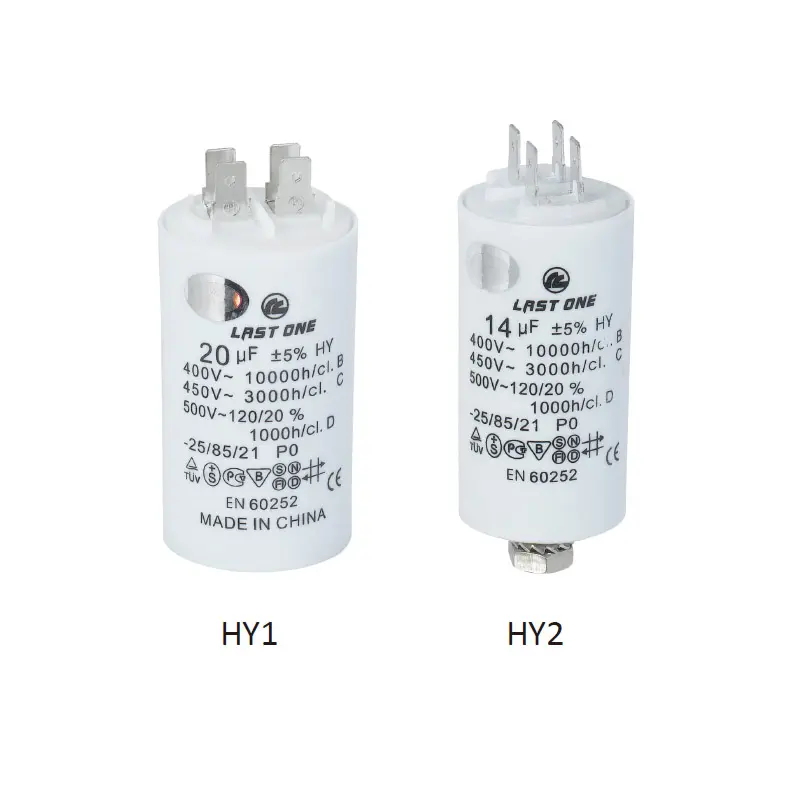
A motor capacitor is a device that can store and release excess energy related to the function of an electric motor. The use of capacitors has proven to be of utmost importance when it comes to single-phase and three-phase motors because they ensure that the motors operate without problems from the first start cycle. Self-healing metalized polypropylene film capacitors are known to provide practicality and efficiency. Because of their low loss factor and low temperature rise as inherent characteristics and due to their ability to self-repair, these components can guarantee maximum safety level efficiency even in high-voltage environments.
Types of Motor Capacitors Explained
While talking about motor capacitors, it is essential to understand all types including:
1. Motor Start Capacitor: This category serves to start motors, delivering a considerable rise in starting torque. Generally, they are engaged for a relatively short timeframe and then removed from the circuit.
2. Motor Run Capacitor: In comparison to start capacitors, the run capacitors are kept in the same circuit during the entire operation cycle of the motor. They provide efficiency and longevity to the motor by controlling voltage levels as well as the power factor.
3. Permanent Split Capacitor (PSC): The use of these capacitors in the motor system installation is continuous. PSC motors are usually used in HVAC systems and similar systems where steady performance is needed. In most of these implementations, self-healing metallized polypropylene film capacitors that have low losses and high performance are frequently used.
Common Applications of Motor Capacitors
The applications of motor capacitors are vast and varied. You‘ll find them in:
- Household appliances like air conditioners, refrigerators, and washing machines.
- Industrial applications, including pumps, fans, and conveyor systems.
- Commercial equipment such as copiers and vending machines.
- Automotive systems where they support electric windows and seats.
- Especially in single-phase AC motors, the safety of one-phase self-healing metallized film capacitors is appropriately used.
Signs of a Failing Motor Capacitor
It is very important to spot a failing motor capacitor so that the motor doesn‘t completely fail. Below are common symptoms of a failing capacitor.
- The motor experiences difficulty starting or doesn‘t start at all.
- Overheating of the motor, particularly during operation.
- Unusual noises such as buzzing or humming.
- Increased energy consumption or power surges.
Should you happen to experience any of the mentioned symptoms, being in touch with a professional in the field for an extensive inspection and replacement of the motor capacitor.
Choosing the Right Motor Capacitor
When choosing a motor capacitor, be sure to pay attention to its specifications like rated voltage, capacitance, and intended use. If a capacitor with the wrong specifications is used, the motor may run inefficiently or may get damaged. It is advisable to use a self-healing metallized polypropylene film capacitor when a low loss factor, small maximum temperature rise, and high voltage are required. Always consult the manufacturer’s instructions or seek advice from industry experts for best results.
Conclusion
The importance of understanding motor capacitors cannot be overstated among people who deal with electric motors and their applications, whether at home or in industry. Knowing the various types of motor capacitors as well as their use in different applications and symptoms of failure will enable you to keep your motors functioning properly. The self-healing metallized capacitor made of polypropylene film offers an extra level of safety and stability in several demanding applications.
Post time: Aug-07-2026