


SVG (Static Var Generator) is an up-to-date device that is designed to control reactive power in electrical grids. SVG units maintain voltage stability and optimize power factor by automatically changing their reactive power absorption or supply. In this article, we will discuss various types of SVGs, their configurations, and some useful tips for selecting this equipment.
Types of Static Var Generators
SVGs are classified by their technology and purpose. The main categories include:
● Thyristor-Based SVGs: Designed for rapid switching and high reliability, perfect for variable industrial loads.
● IGBT-Based SVGs: Attain precise regulation and high productivity, as well as being adaptable to both commercial and industrial environments.
● Advanced Static Var Generators: Integrate digital controls and monitoring for precise regulation and diagnostics.
SVG Configurations
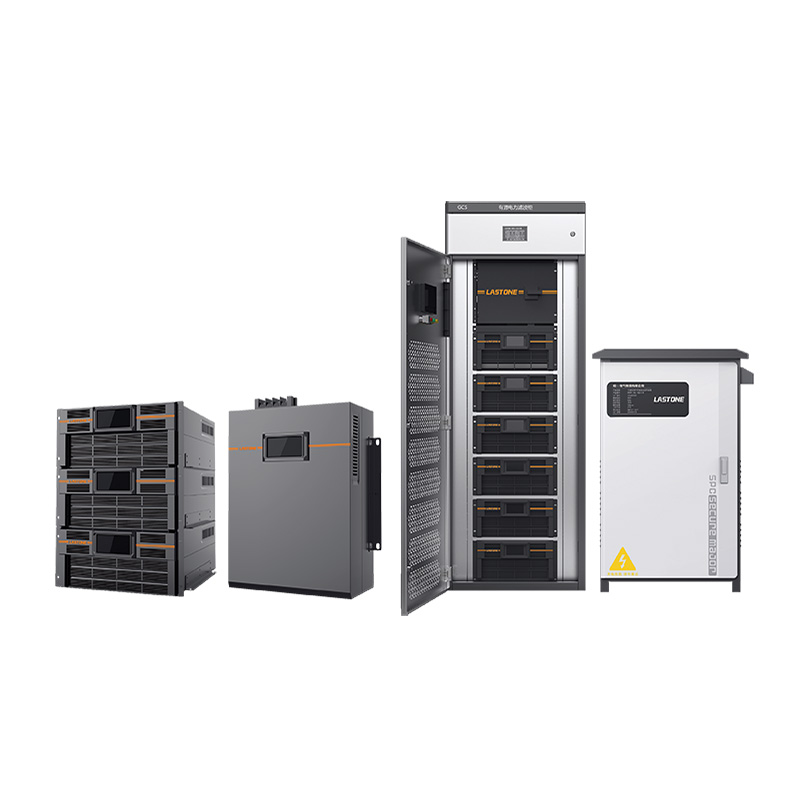
SVGs can be purchased as independent units, such as the 100 kVAR static var generator, or as modular systems suitable for bigger installations. When designing an SVG, many different configurations can be selected according to space availability, power requirements and system integration. Modular SVGs are useful for development and dynamic scenarios whereas individual SVGs are appropriate for fixed loads.
Working Principles of SVG Units
SVGs detect electricity and voltage in real-time and can instantly introduce or absorb reactive power using devices like thyristors and IGBTs. This allows for accurate control of the power factor and reduces the fluctuation of voltage which increases the durability of the equipment and enhances energy efficiency.
SVG vs. Traditional Reactive Power Compensation: Key Differences
| Feature | SVG | Traditional Compensation |
| Speed | Instantaneous, stepless adjustment | Slower, stepped control |
| Control | Digital, precise regulation | Mechanical or relay-based |
| Harmonic Filtering | Yes, integrated | Usually requires extra filters |
| Maintenance | Low, automated diagnostics | Higher, manual checks |
| Efficiency | >98%, reduces losses | Lower, more losses |
| Cost | Higher initial, lower long-term | Lower initial, higher maintenance |
Critical Performance Metrics to Evaluate Before SVG Selection
Key metrics include:
● Response Time: SVGs respond quickly to load changes, maintaining power quality.
● Capacity: Ensure that the capacity of the SVG matches your highest possible load requirement (for instance, Advanced static var generator with 100 kVAR of capacity).
● Control Accuracy: Advanced units optimize power factor closely and adapt to load dynamics.
● Integration: Consider ease of networking and monitoring.
Common Application Scenarios for Static Var Generators
SVGs strengthen electrical networks in hospitals, data centers, transportation, renewable energy plants, oil and gas, and manufacturing. They safeguard electrical devices, avoid outages, regulate voltages, and also provide savings by avoiding penalties for low power factor.
FAQ About Static Var Generators
Can SVG modules be added later to expand capacity?
Yes. Modular designs allow capacity expansion by adding modules as load grows, which avoids replacing the entire system and is useful for sites with changing demand.
How do I size an SVG for loads that fluctuate sharply?
Base the capacity on the highest reactive power demand, not the average. Also check response time, since fast load swings require an SVG that reacts quickly enough to keep the power factor stable.
Does an SVG need a separate harmonic filter?
Usually not. Harmonic filtering is integrated into most SVG units, though you should confirm the filtering range and performance with the supplier for your specific load profile.
What should I confirm with the vendor before ordering?
Ask for the response time, rated capacity, control accuracy, and networking options, and request test data that matches your actual load conditions rather than generic specifications.
An appropriate selection of a Static Var Generator can significantly increase the efficiency and reliability of your power system. Analyze your requirements and make comparisons based on the various features and specifications. In order to optimize your Static Var Generator solution, consult with a qualified vendor.
Post time: Oct-30-2026