


Shunt Power Capacitors are crucial for modern electrical engineering, especially for those who work with power systems. They help enhance voltage stabilization, power factor, and energy efficiency for both utility and industrial use. This article provides readers with necessary information regarding shunt capacitors and their advantages, differences from other capacitors, how to choose the right capacitor, and other important aspects.
What Are Shunt Power Capacitors?
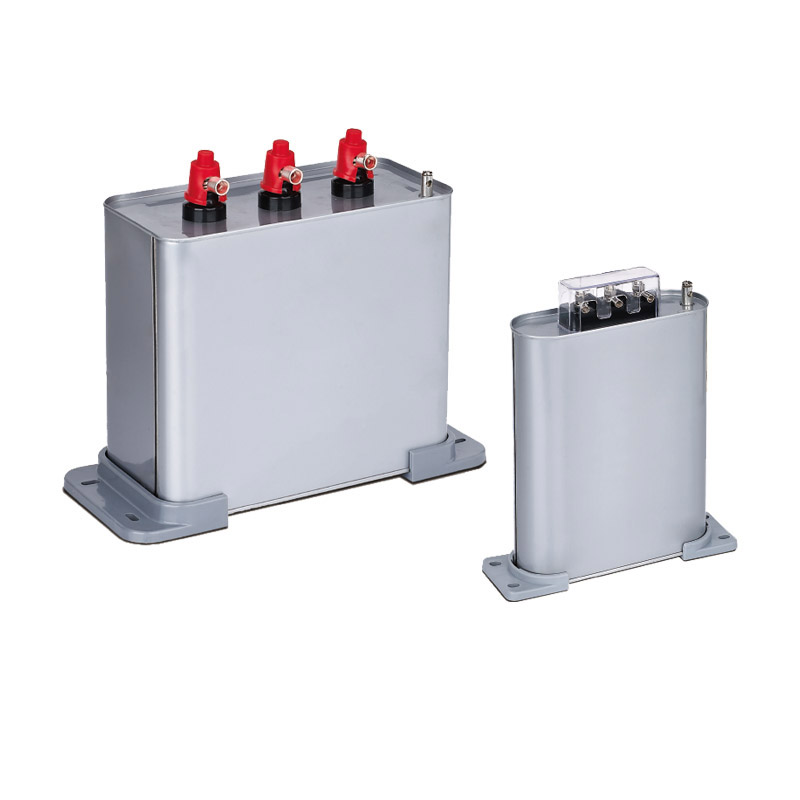
Shunt Power Capacitors Parallel-connected devices help ensure the supply of reactive power in the electrical systems. These devices achieve this by stabilizing voltage and adjusting the power factor by eliminating the inductive load effect from the motors as well as transformers. The devices are widely used in substations, factories, commercial buildings, and power systems to improve reliability.
How Shunt Power Capacitors Work
The main purpose of shunt capacitors is the preparation of reactive power compensation. The capacitors generate leading reactive power to create a balance between the effect of the inductive load. Energy wasting is reduced thanks to the improved power factor. Besides that, shunt capacitors can reduce voltage drop during a peak load process, provide protection to the equipment, as well as contribute to enhanced operation reliability of the grid.
Shunt Power Capacitor vs Series Capacitor: Key Differences
Shunt and series capacitors play different roles in electrical circuit operations. Shunt capacitors are situated throughout the circuit (in parallel to the circuit) to provide local reactive power to an end user. Shunt capacitors provide good voltage regulation and improve the power factor during varying load conditions. Whereas series capacitors are placed on the line to enhance transmission efficiency by reducing line impedance. Series capacitors are commonly used for high-voltage lines, and shunt capacitors are used for local level compensation.
Power Factor Correction: Why It Matters
Shunt capacitors provide significant power factor correction. Low power factor, which is often due to the presence of inductive devices, results in increased losses, larger systems, and higher energy costs. By neutralizing the reactive power imbalance, the capacitors correct the power factor towards unity, improving efficiency and reducing losses and energy expenses. Utilities promote power factor correction for both better functioning of the grid and sustainability reasons.
How to Select the Right Shunt Power Capacitor
Choosing the right shunt capacitor is critical. Engineers must:
● Determine the system’s reactive power demand to find the correct kVAR rating.
● Ensure the voltage rating matches system requirements.
● Choose products certified by relevant standards (IEC, IEEE).
● Consider environmental factors like temperature and humidity.
● Opt for modular or automatic switching solutions for scalability and adaptability.
Making the correct choice of something guarantees that the system works efficiently, meets standards, and lasts longer. This prevents system failure and unnecessary expenses.
Installation and Safety Considerations
For correct functioning of shunt capacitors, and protection of equipment, proper installation should be performed. Installation should be monitored to prevent anomalies which can lead to failure. Installation should be completed only by trained installers, and systems should undergo regular inspections for safety and correct performance.
Integration with Shunt Inductors
In specific applications, shunt inductances are employed together with capacitors in order to synchronize power quality and inhibit voltage spikes, especially when capacitive action threatens voltage increase. This combination serves an essential purpose of preventing resonance and ensuring desired voltages under changing load conditions.
Real-World Applications
Shunt Power Capacitors Capacitors are present in all kinds of power systems—be it a city power grid or a nuclear power generator. The capacitor industry is experiencing revolutionary changes using self-healing materials, modular design of capacitors, and IoT-based monitoring systems. These improvements enable engineers to easily incorporate capacitors into smart grids, utilize renewable energy sources, and handle fluctuating loads.
Frequently Asked Questions (FAQ)
Can shunt power capacitors be used with renewable energy systems?
Yes. They help stabilize voltage and support power quality when solar or wind output fluctuates.
What happens if a shunt power capacitor is oversized?
Oversizing can cause overvoltage, leading to insulation stress, higher losses, and possible resonance issues.
Do shunt power capacitors require regular maintenance?
Yes. Periodic inspection, cleaning, and testing are needed to detect aging, overheating, or capacitance loss.
Are shunt power capacitors suitable for high-voltage transmission lines?
They are mainly used for local compensation. For transmission-line impedance reduction, series capacitors are more common.
Understanding Shunt Power Capacitor technology is crucial for engineers aiming for power systems that are efficient, dependable and conforming to the regulations set forth. A properly selected and used shunt capacitor will greatly improve the performance of the electric grid and prolong the equipment service life. An awareness of current industry trends and technologies will keep your electrical infrastructure aligned with the energy requirements of modern society.
Post time: Oct-23-2026