


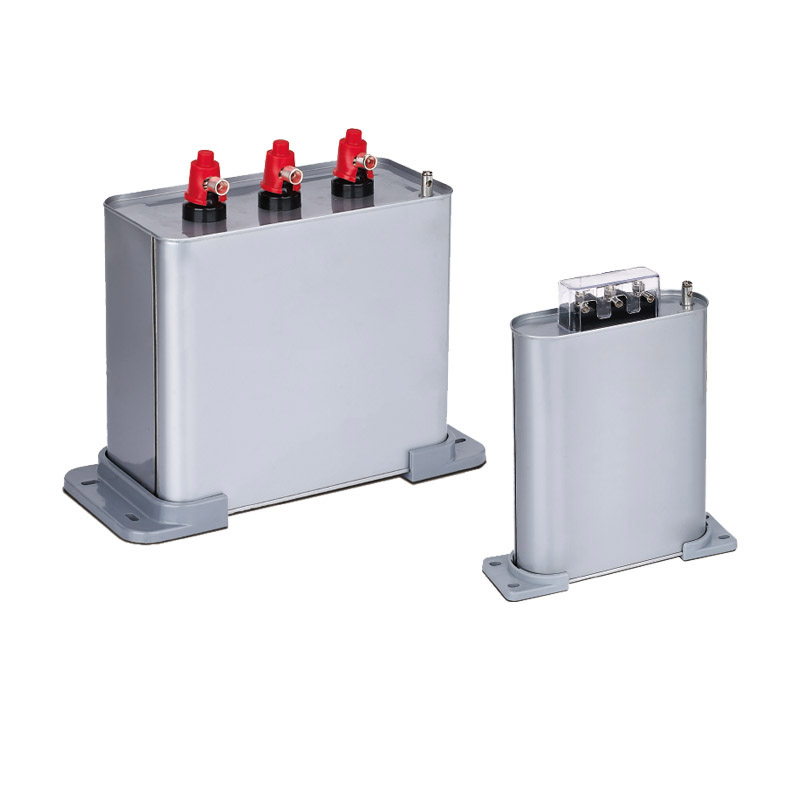
Power capacitors improve power factor, voltage stability, and reduce reactive power demand and utility penalties. However, heat, harmonics, overvoltage, poor ventilation, and loose connections can shorten their lifespan. Regular maintenance including visual inspections, electrical testing, temperature monitoring, and timely replacement—prevents unexpected failures and ensures reliable performance.
Why Power Capacitor Maintenance Matters
Capacitors age when their dielectric materials and internal connections are exposed to electrical and thermal stress. A failed capacitor can trip protective devices, reduce power factor correction, overload other capacitor steps, and interrupt production.
In a power capacitor 3 phase system, phase imbalance may indicate a failed capacitor, fuse, contactor, or connection. Early detection can prevent damage from spreading through the capacitor bank.
Key Factors That Affect Power Capacitor Lifespan
Temperature and Ventilation: High temperature accelerates capacitor aging. Keep cabinets clean, dry, and well ventilated. Check cooling fans, filters, and air paths regularly. Thermal imaging can identify hot terminals, overloaded components, and poor connections.
Overvoltage and Transients: Sustained overvoltage and switching transients increase capacitor current and internal heating. Confirm that the capacitor voltage rating matches the actual system voltage. Motors, transformers, VFDs, and welding equipment may require additional surge protection or engineering review.
Harmonic Distortion: VFDs, UPS systems, rectifiers, and other non-linear loads generate harmonics. Harmonic current can overload capacitors and cause overheating or repeated fuse failures. Measure power quality before installing or expanding a power correction capacitor bank. Detuned reactors or harmonic-filter capacitors may be required.
Connections and Switching: Loose terminals create heat and voltage imbalance. Check and torque connections according to the manufacturer’s specifications. Inspect capacitor-duty contactors for pitted contacts, welding, discoloration, or excessive switching.
Routine Inspection and Testing
Routine inspection must follow safety rules, lockout/tagout procedures, and manufacturer instructions. Capacitors can retain dangerous charge, so wait the specified discharge time and verify zero voltage before working. Check for swelling, leaks, corrosion, damaged insulation, odors, burnt terminals, and blocked ventilation. Record line voltage, capacitor current, power factor, reactive power, and harmonic distortion investigate any growing phase current imbalance. Capacitance and insulation tests should only be done on isolated equipment using approved methods, as incorrect voltages can damage internal components.
| Interval | Recommended Checks |
| Monthly or Quarterly | Review alarms, power factor, temperature, fan operation, and visible damage. |
| Every 6–12 Months | Inspect terminals, fuses, contactors, phase current, ventilation, and harmonic levels. |
| Planned Shutdowns | Isolate and discharge the bank, clean the cabinet, verify connections, and test capacitance where appropriate. |
Common Maintenance Mistakes to Avoid
Do not ignore harmonics after installing new VFDs, UPS units, or production equipment. Reassess power quality whenever the electrical load changes.
Do not replace a failed capacitor without finding the cause. Overheating, incorrect voltage, harmonic overload, failed contactors, and poor ventilation may cause the replacement to fail as well.
Use the correct replacement rating, including voltage, kvar, frequency, phase configuration, temperature range, and harmonic capability. In systems with reactors, the capacitor and reactor must be properly matched.
When to Replace vs. Repair a Power Capacitor
Most sealed capacitor units are replaced rather than repaired. Replacement is normally recommended for swollen, leaking, ruptured, overheated, or significantly degraded units.
Related parts such as fuses, contactors, cooling fans, controllers, discharge resistors, and busbar connections may be repaired or replaced separately. If several steps are failing or the system has new harmonic or load conditions, redesigning the bank may be more cost-effective than making simple replacements.
FAQ
How long does a power capacitor last?
Service life depends on temperature, voltage, harmonics, switching frequency, and installation quality. Proper maintenance and suitable operating conditions can significantly extend its lifespan.
What are the warning signs of failure?
Common signs include swelling, leakage, overheating, repeated fuse operation, unusual noise, reduced power factor correction, phase imbalance, and controller alarms.
Can I maintain a capacitor bank while it is disconnected?
Only qualified personnel should do so. A disconnected capacitor may still hold a hazardous charge. Follow approved isolation, discharge, testing, and personal protection procedures.
By controlling heat and harmonics, checking connections and switching devices, monitoring phase balance, and replacing damaged components with correctly rated alternatives, facilities can extend the life of their Power Capacitor systems, improve electrical efficiency, and reduce unplanned downtime.
Post time: Sep-04-2026