


Choosing the right component matters for electrical system performance and reliability. The difference between normal contactors and capacitor duty contactors often causes confusion. Both control circuits, but each serves a distinct purpose. This article explains how they differ and highlights the functions and benefits of capacitor switching contactors to help you decide which fits your application best.
Normal Contactor
Normal contactors are basic electromechanical devices used to control loads such as motors or lighting systems. They consist of an electromagnetic coil, fixed contacts, and a movable contact. When the coil is energized, the electromagnet pulls the movable contact, closing the circuit and allowing current to flow. Normal contactors work well for applications with predictable, stable loads but cannot withstand the excessive inrush current produced when switching capacitor banks into a circuit.
What Is A Capacitor Switching Contactor
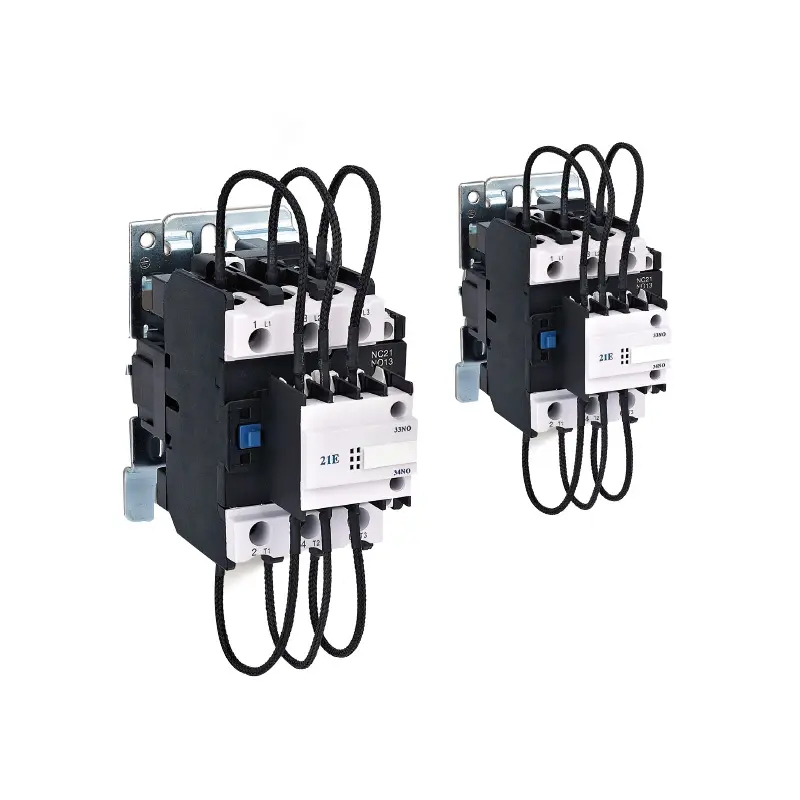
A Capacitor Switching Contactor (or Capacitor Duty Contactor) is a type of contactor that is designed specifically for controlling the switching of capacitor banks, typically used in correcting power factor. When the capacitor is powered by a capacitor bank, it will produce a large amount of Inrush Current into the circuit for a short period of time, and could exceed normal contactor ratings.
Capacitor Duty Contractors contain special features such as Damping Resistors and Pre-Insertion Devices to reduce the electrical loading on the Contactor due to Transient Current ultimately reducing the risk of catastrophic failure of the contactor. The work of a Capacitor Switching Contactor will allow the capacitor bank to operate smoothly, to protect the capacitor bank from damage and reduce wear and tear on the electrical system better than traditional contactors can.
Comparing Normal Contactors to Capacitor Duty Contactors
In making informed decisions about the right type of contactor, it’s important to understand how normal and capacitor duty contactors differ:
●Application: While normal contactors can control common loads like motors or lights, Capacitor Switching Contactors are only used to control capacitor banks in power factor correction systems.
●Current Rating:Capacitor duty contactors are specifically designed to handle the high inrush current that occurs when capacitors are connected to an electrical system; in contrast, normal contactors have difficulty handling this type of inrush current.
●Construction:Capacitor duty contactors have specific components that provide damping, which reduce transient currents; whereas there is no such provision for a normal contactor.
●Performance:Capacitor duty contactors are built to provide reliability and long life in conjunction with capacitor banks, resulting in fewer issues with maintenance.
Why Are Capacitor Switching Contactors Needed for Capacitor Banks?
Capacitor banks are critical in creating an efficient power factor in industrial and commercial electrical systems; however, the instantaneous in-rush of current that occurs when switching a capacitor bank has a negative effect on the circuit and the components connected to it. Therefore, it is critical that a Capacitor Switching Contactor be used for switching applications involving capacitor banks.
A Capacitor Switching Contactor provides protection for the electrical system by controlling the voltage supply through the capacitor while suppressing the in-rush current associated with the capacitor. By investing in capacitor duty contactors, you decrease potential problems, extend the life of the equipment, and improve the efficiency of the electrical system.
Frequently Asked Questions
What Is the Difference Between a Contactor and a Capacitor?
A contactor is an electromechanical device that opens or closes an electrical circuit, while a capacitor is a passive electrical component that stores, and can discharge, electrical energy. A Capacitor Switching Contactor is used in capacitor banks to control the electrical circuit while controlling the unique characteristics of the capacitor.
What Are the Two Types of Contactors?
The two general types of contactors are normal contactors, which are used for general purposes, and capacitor duty contactors, which are specialized contactors used to switch on and off or protect capacitor banks.
What is a capacitor duty contactor?
A capacitor duty contactor takes into consideration the high in-rush currents created by capacitor banks, which will require a specialized solution to properly handle these currents, or capacitor duty contactors will contain dampening components to suppress transient currents.
Conclusion
To select the right contactor, it is essential to understand the differences between normal contactors and capacitor switching contactors. Normal contactors are cost-effective for general use, while capacitor duty contactors are critical for capacitor bank applications and must withstand high inrush currents during switching.
Investing in the proper contactor ensures smooth operation, extends equipment life, and improves power system reliability. For assistance selecting the right capacitor switching contactor, consult your local electrical supply distributor or industry professionals for a reliable recommendation tailored to your needs.
Post time: May-27-2026