


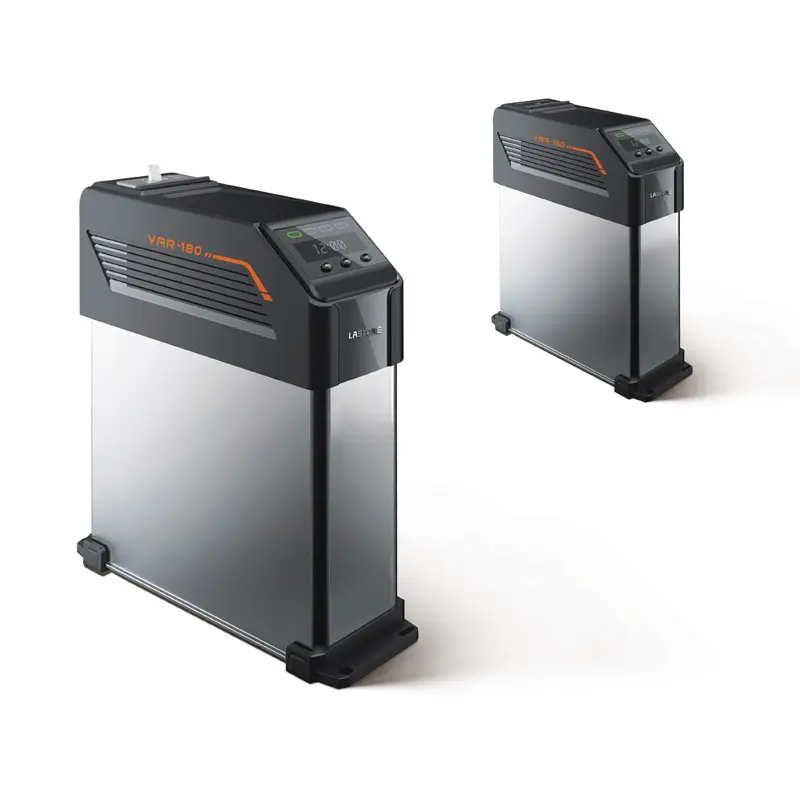
A low voltage power capacitor bank is an assembly of capacitors used to improve electrical efficiency in facilities with significant motor loads, lighting, or other inductive equipment. It supplies reactive power locally, reducing the amount of current drawn from the utility and helping to correct power factor.
Why a Low Voltage Power Capacitor Bank Matters for Your Facility
If you manage a commercial building, industrial plant, or any operation with large motors, compressors, or HVAC systems, you have likely seen a utility bill that includes charges for low power factor. A low voltage power capacitor bank addresses this directly. By installing one near your main distribution panel or at individual loads, you reduce wasteful current flow, lower energy losses, and often reduce monthly utility penalties. For facility managers and plant engineers, this translates into predictable savings and more efficient use of existing electrical infrastructure.
What a Low Voltage Power Capacitor Does
A low voltage power capacitor stores and releases electrical energy to offset the lagging current caused by inductive loads like motors and transformers. Without correction, your facility draws both active power (which does useful work) and reactive power (which creates magnetic fields but does no work). The utility must supply both, which strains their equipment and often results in penalty charges. A low voltage power capacitor bank supplies the reactive power locally, so your facility draws less total current. This reduces losses in cables and transformers and frees up capacity for additional equipment.
Key Benefits of Installing a Low Voltage Power Capacitor Bank
1. Reduced Utility Costs
Most utilities charge commercial and industrial customers for low power factor, either through a direct penalty or by adjusting the demand charge. Adding a low voltage power capacitor bank improves your power factor often to 0.95 or higher eliminating or significantly reducing these charges.
When you reduce reactive current, your transformers, cables, and switchgear carry less total current. This frees up capacity. Instead of upgrading your utility service to add new equipment, a low voltage power capacitor bank may provide the headroom you need. This can save tens of thousands in infrastructure upgrades.
3. Lower Electrical Losses
Current flowing through cables generates heat, which is wasted energy. By reducing the total current, a low voltage power capacitor bank lowers I²R losses throughout your distribution system. The savings are modest per circuit but add up over time, especially in large facilities.
4. Improved Voltage Stability
Heavy motor starts and fluctuating loads can cause voltage dips that affect sensitive equipment. A low voltage power capacitor bank helps stabilize voltage by supplying reactive power locally, reducing the severity of these dips and improving equipment performance and lifespan.
Where Low Voltage Power Capacitor Banks Are Most Useful
These systems are common in facilities with substantial inductive loads.
●Industrial manufacturing plants: Conveyors, presses, grinders, and large machining centers create highly inductive loads. A low voltage power capacitor bank corrects power factor at the plant level or on individual feeders.
●Commercial buildings with large HVAC: Chillers, air handlers, and cooling towers often operate continuously. Adding a low voltage power capacitor bank reduces demand charges and improves overall building efficiency.
●Data centers: Uninterruptible power supplies and cooling systems contribute to reactive power demand. Correction improves UPS efficiency and reduces utility costs.
●Water and wastewater treatment facilities: Pumps and blowers run around the clock. A low voltage power capacitor bank provides rapid payback through both energy savings and reduced demand charges.
●Mining and heavy material handling: Long cable runs and large motors create significant voltage drop. Distributed correction with a low voltage power capacitor bank improves voltage at the motor terminals.
Types of Low Voltage Power Capacitor Banks
Fixed banks are connected continuously and provide a constant level of correction. They suit facilities with stable loads that run most of the time.
Automatic banks use a power factor controller to switch capacitor steps on and off as load changes. They are ideal for facilities with variable loads such as welding shops, stamping plants, or mixed-use buildings where over-correction could cause voltage rise or nuisance tripping.
Detuned or harmonic-filtered banks include reactors to protect capacitors from harmonic currents. If your facility has variable frequency drives, UPS systems, or other non-linear loads, a detuned low voltage power capacitor bank prevents resonance issues and extends capacitor life.
What to Consider Before Installing
Start by reviewing your utility bill to see if you are being penalized for low power factor. Next, conduct a power quality survey or review existing data to understand your facility‘s load profile. Determine whether your loads are relatively constant or highly variable. If harmonics are present, choose a detuned or filtered design. Consider physical space: a low voltage power capacitor bank requires adequate clearance for ventilation and safe access. Finally, work with an experienced installer to ensure proper sizing, protection, and compliance with local electrical codes.
Summarize
A low voltage power capacitor bank is one of the most straightforward investments you can make to improve electrical efficiency. It solves real problems: high utility bills, limited system capacity, and poor voltage regulation. By selecting the right type fixed, automatic, or detuned and sizing it correctly, you reduce operating costs and make better use of your existing infrastructure. For any facility with significant motor loads or a utility bill that includes power factor penalties, a low voltage power capacitor bank is not just an upgrade it is a smart business decision.
Post time: Apr-06-2026