


Today’s rapidly evolving technological society has placed an unprecedented emphasis on needing efficient energy management systems. One of the key components in this area is intelligent capacitors. Industries and their associated infrastructure are now said to have a strong emphasis on using both sustainable and efficient solutions; thus understanding how intelligent capacitors operate, their many variants (such as ‘smart’ or ‘intelligent power’), their application possibilities, and how to select the appropriate type will benefit both engineering/project management teams.
How Does an Intelligent Capacitor Work?
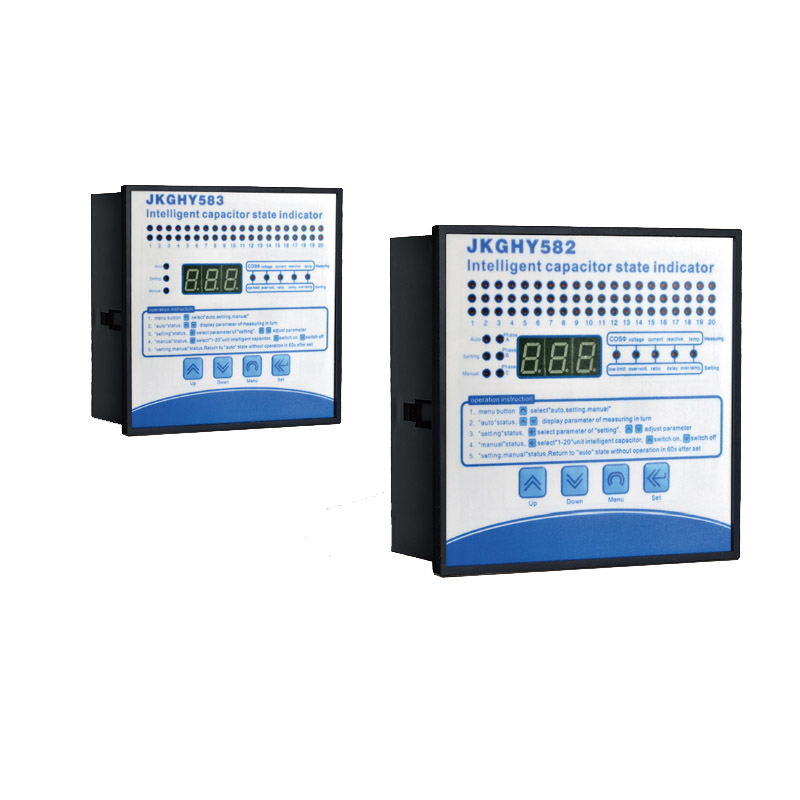
An intelligent capacitor‘s purpose is to optimize the performance of power systems through the management of reactive power; they differ from traditional capacitors in that while traditional capacitors simply store energy, intelligent capacitors are able to utilize advanced sensor technology and controller devices that are capable of measuring the electrical environment and making adjustments in real time. This allows for a smoother delivery of electrical energy, lower losses and improved quality of overall power.
Key Components of an Intelligent Capacitor
The fundamental components of an intelligent capacitor are crucial to its functionality. They are:
Microcontroller: This acts as the brain of the capacitor, processing input from various sensors.
Sensors: They monitor voltage, current, and power factor variations.
Power Electronics: These manage the power flow to and from the capacitor, ensuring efficiency.
Working in concert allows these elements to deliver instantaneous feedback and updates so that performance can be improved and energy is managed efficiently.
Applications of Intelligent Capacitors
Intelligent capacitors find applications in various sectors, including:
●Industrial Power Systems: They increase the quality of power supplied and lessen the amount of energy consumed/burned, thus significantly increasing the efficiency of operations.
●Renewable Energy Integration: In solar and wind applications, they balance reactive power and ensure grid stability.
●Commercial Buildings: Smart capacitors can optimize energy use, leading to lower operational costs.
●Telecommunications: They maintain power quality, essential for uninterrupted service.
How to Choose the Right Intelligent Capacitor
Choosing the right intelligent capacitor requires careful consideration of several factors:
●Load Requirements: Understanding the reactive power needs of your system is vital.
●Voltage Ratings: Ensure the intelligent capacitor matches your application‘s voltage requirements.
●Control Capabilities: Look for advanced control features that can adapt the capacitor‘s operation to changing conditions.
●Manufacturer Reputation: Opt for trusted brands known for their quality and customer support.
By considering all these elements, you will be able to come up with an informed decision that fits your overall energy goals.
Frequently Asked Questions
Q: What is the primary benefit of using an intelligent capacitor?
The principal advantage of improved power quality is diminished energy loss through enhanced performance of electrical systems.
Q: Are intelligent capacitors suitable for small businesses?
Intelligent capacitors can be used to lower operational costs and are available in sizes that can accommodate both small and large systems.
Q: How do intelligent capacitors compare to traditional capacitors?
Intelligent capacitors offer a much greater level of efficiency and functionality than that provided by conventional capacitors since they are able to actively manipulate themselves based upon live data.
As previously stated, capitalizing on the advantages of a contemporary energy management system requires an understanding of the intelligent capacitor. An intelligent capacitor‘s ability to optimize energy quality and improve user performance is an enormous benefit for companies. As energy usage is expected to continue evolving, adding intelligent capacitors to your operations may be the next step toward achieving your goals of more sustainable and efficient energy usage.
Post time: Jul-03-2026