


To keep processes, IT systems, building services, and renewable energy assets running as they should, modern systems rely on the provision of stable and efficient electricity. However, harmonic distortion, low power factor, voltage fluctuations, and peak demand charges can increase energy expenses and put strain on equipment.
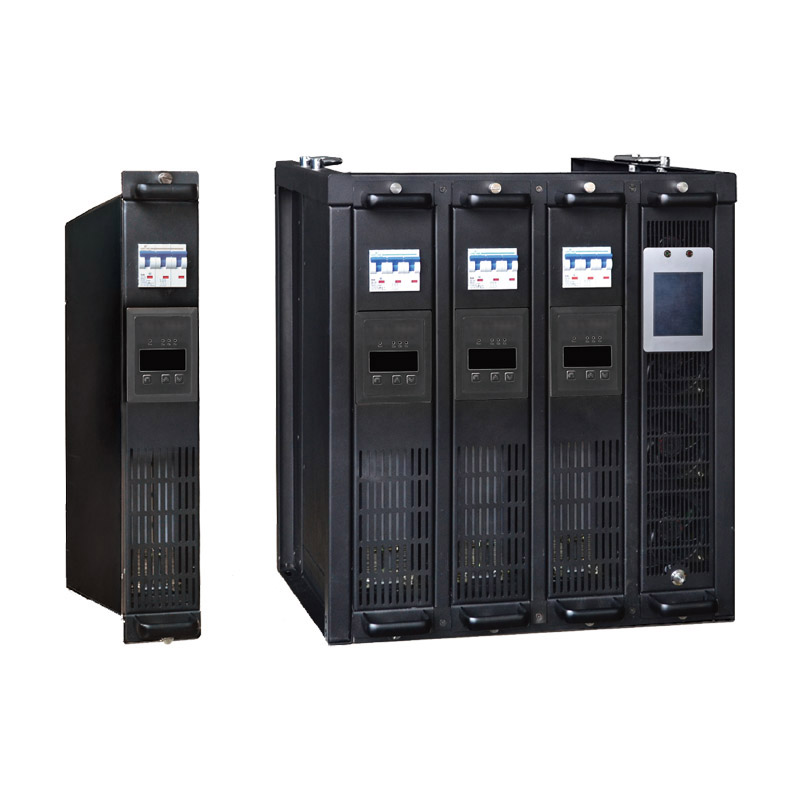
Hybrid Power Quality Cabinets An integrated approach has been introduced to tackle those problems. By encapsulating power quality correction, reactive power compensation energy storage, and smart monitoring into one system, the companies can increase efficiency, safeguard important loads, and manage energy consumption effectively.
What Are Hybrid Power Quality Cabinets?
Hybrid Power Quality Cabinets combine multiple power solutions—such as active filters, SVGs, capacitor banks, battery storage, and control units—into one coordinated system. This integrated design handles reactive power compensation, harmonic filtering, peak shaving, and backup power more flexibly than separate installations.
Why Power Quality Affects Energy Efficiency
Poor power quality leads to losses that are difficult to perceive. Harmonics generated by variable frequency drives (VFDs), uninterruptible power supplies (UPSs), welding machines, LED lighting systems, rectifiers, and electric vehicle chargers cause overheating in electrical appliances: transformers, cables, motors, and switching equipment. Furthermore, low power factor results in an unnecessary consumption of apparent power from the grid.
These situations can lead to penalties by the electric company, decreased power supply availability, increased costs of maintenance, false stops, and decreased lifetime of equipment. The hybrid system keeps track of the network constantly, able to apply adjustments in real-time.
Key Benefits for Power Efficiency
A hybrid cabinet is primarily advantageous in different electrical performance aspects due to the efficiency of the control system being used.
● Improves power factor and helps reduce reactive power penalties
● Reduces harmonic distortion and unnecessary heating in electrical assets
● Improves voltage stability for sensitive or rapidly changing loads
● Releases usable capacity in transformers, feeders, and switchgear
● Supports battery-based peak shaving to control demand charges
● Increases self-consumption of solar or other renewable generation
In energy-consuming tasks, slight enhancements in power factor and losses in distribution can mean a lot in the long run. Enhanced power quality can also postpone the expense of renovating infrastructure by maximizing the potential of existing facilities.
How Hybrid Design Improves Performance
Power quality issues require different solutions. Passive devices work in stable conditions, while active solutions suit changing loads. Hybrid systems combine both—capacitor banks provide steady compensation, SVGs handle rapid reactive power changes, active filters remove harmonics, and batteries supply energy when needed. Modern systems also include monitoring tools for tracking voltage, current, power factor, harmonics, and battery status, supporting data-driven maintenance.
Applications in Modern Power Systems
Hybrid power quality solutions benefit facilities with dynamic loads, sensitive equipment, high demand charges, or renewable energy systems. In manufacturing, they control harmonics and reactive power from motors, drives, and welding equipment while reducing peak loads. Commercial buildings use them to improve HVAC, elevator, lighting, and EV charger performance. Data centers and telecom sites rely on them for clean server and cooling power. Hospitals, water treatment plants, and airports gain greater power resilience, while solar, wind, and microgrid projects use integrated storage to manage generation variability.
Choosing the Right Hybrid Power Quality Cabinet
Selecting the right hybrid power quality cabinet starts with a thorough power quality assessment, including utility bills, load profiles, transformer ratings, harmonics, and existing power factor. Key criteria include system voltage, peak demand, future growth, response speed, installation conditions, battery size, cooling, communication protocols, and safety compliance. A reliable vendor should clearly explain sizing, expected results, protection, and maintenance. Battery-equipped cabinets also require proper ventilation, thermal management, fire protection, emergency shutdown, and battery monitoring. Professional installation is essential for reliable operation.
FAQ: Hybrid Power Quality Cabinets
What are Hybrid Power Quality Cabinets?
These electrical systems combine harmonics filtering, energy storage, and intelligent control functions along with power factor correction and monitoring. The advantages of these systems are enhanced power quality, minimized losses, and efficient energy usage.
What are the key benefits for power efficiency?
The major advantages are lower electrical losses, lower harmonic distortion, better power factor, lower demand charges, more available capacity, and better protection of all electronic devices that are connected to the system.
How does hybrid design improve performance?
The concept of hybrid facility design brings together a fusion of methods – passive, active and storage – all in one. This feature makes it possible for the system to give an economical baseline compensation while also performing quickly under varying loads, harmonics, voltages and demand peaks.
Hybrid Power Quality Cabinets This paragraph gives these entities the ability to create a concrete path that will lead to improved efficiency in the use of energy as well as achieving cleaner power. With the right assessment of the sites and design of systems, those involved can minimize unnecessary losses, secure precious electric equipment, assist in the achievement of goals in the use of renewable energy and help companies to deal with soaring energy bills more comfortably.
Post time: Aug-31-2026