


Inadequate power quality can result in destruction of machinery, loss of power, and unexpected shutdowns in factories. The hybrid power quality cabinet solves these problems because it utilizes the principles of harmonic filtering, dynamic reactive power compensation, voltage stabilization, and emergency voltage surge protection, all in one case. The present document provides an overview of hybrid cabinets, the major things to take into account, ways of making a selection and the aspects to keep in mind at the time of installing.
What Is a Hybrid Power Quality Cabinet?
Typical conventional solutions in the field of power conditioning solve one problem at a time, . Passive filters take care of harmonics. A completely different unit, like capacitor bank, ensures power factor correction. And the last unit is responsible for reduction of voltage spikes.
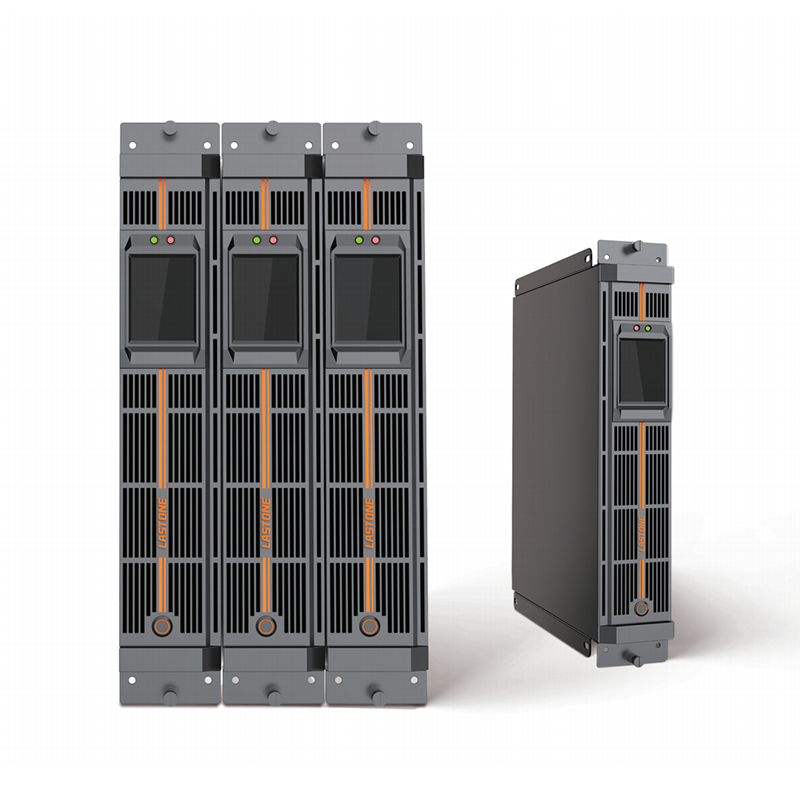
These functions are brought together into a single unit known as a hybrid power quality cabinet. A hybrid power quality cabinet is usually made up of:
● Active harmonic filters that inject compensating currents to reduce waveform distortion
● Static Var Generators (SVG) or capacitor banks for reactive power compensation
● Voltage regulators that respond to sags and swells
● Surge protection devices (SPD) that divert transient overvoltages
By incorporating these functions, hybrid cabinets have an objective to enhance power quality values such as total harmonic distortion and power factor, along with making the installation easier and cutting back on the number of distinct devices needed.
Key Features & Functions
Integrated Harmonic Filtering
Non-linear loads like VFDs, LED drivers, and switch-mode power supplies generate high-frequency currents that distort voltage waveforms. A hybrid cabinet combines passive LC filters with active current injection at key harmonic orders (mainly 5th, 7th, 11th, and 13th). When well designed, it reduces THD to acceptable levels—protecting downstream equipment and reducing transformer heating.
Dynamic Power Factor Correction
An SVG-based system differs from static capacitor banks because the latter switches in steps model and may have problems with overshooting. This could lead to better power factor since it can adapt seamlessly and much faster to different load conditions, which are typical for facilities that often start and stop motors.
Voltage Regulation
Voltage sags can lead to failure of sensitive equipment such as PLCs. Integrated voltage regulators present in some hybrid cabinets are able to detect these deviations in voltage and supply corrective voltage.
Surge Protection
Voltage spikes capable of damaging devices can cause lightning strikes and switching transients. The use of layered surge protection within the enclosure helps limit the excessive voltage caused by a burst of voltage surge.
Intelligent Monitoring & Control
Modern hybrid cabinets typically use microprocessor-based controllers with display interfaces, allowing monitoring of parameters like THD, power factor, and fault history. Some models support Modbus RTU/TCP or MQTT for connecting to SCADA or BMS systems.
How to Select the Right Hybrid Power Quality Cabinet
To select the correct unit, you need to know the electrical profile of your facility. Here are the steps:
1. Conduct a Load Assessment
Recognize significant loads inclusive; of VFDs, rectifiers, HVAC compressors, and welding machines. Document the peak demand along with duty cycles to find the necessary kVA rating
2. Perform a Harmonic Analysis
Employ a power quality monitor to assess THD, separate harmonic orders, and neutral current at the common coupling point. If THD is found to be high, it may be better to implement an active filtering solution instead of a passive-only solution.
3. Define Power Factor Targets
Numerous utility firms dissuade low power factors. Ensure that the cabinet has plenty of reactive power capacity (kVAR) to achieve the set target under standard load conditions.
4. Assess Voltage Stability
Look for voltage events data from past events. If your facility is prone to voltage fluctuations, choose a panel that can control voltage needs.
Installation & Maintenance
Installation
1. Location: Locate the cabinet next to the main distribution panel or the point of common coupling, making sure there is sufficient space for cooling and servicing purposes.
2. Environment: Indoor units must be put in temperature-controlled settings and outdoor units must have a weather-resistant rating and adequate corrosion protection.
3. Electrical connection: Qualified personnel must be used to complete the work on the disconnectors, perform grounding and carrying out installations of the overhead protection devices.
4. Commissioning: Once the installation is complete, check THD and power factor both before commissioning and after commissioning to ascertain performance.
Maintenance
1. Quarterly: Please check for signs of dust accumulation, color changes, or overheating. Be sure that the air filter has been cleaned, and check the cooling fan as well.
2. Semi-annually: Tighten terminal connections, inspect busbars, and verify SPD indicator status.
3. Annually: Examine diagnostic logs, check for availability of firmware updates, and think about a professional inspection in case of extensive usage.
4. After extreme events: After the lightning storms or electrical failures have caused an incident, inspect the surge protection devices and replace any ones that have activated.
Maintaining service records supports warranty claims and helps track long-term performance.
Application Scenarios
Manufacturing Plants
Locations with considerable use of VFDs, welding equipment or induction heating can take advantage of hybrid cabinets placed at the primary feeder level to lessen distortions in harmonics as well as improve the power factor.
Data Centers & Commercial Buildings
Voltage disruptions have a crucial influence on the critical nature of IT infrastructure. The Hybrid cabinets allow for protecting structures while enhancing power quality in general.
Frequently Asked Questions
What standards apply?
Standards offered by relevant bodies include compulsory certification for harmonic limits, EMC, and necessary requirements concerning switchgear.
How much can a hybrid cabinet improve power factor?
The degree of improvement relies on the particular installation and load profile in use. A unit that is correctly sized will usually be able to increase a low baseline power factor to an acceptable level.
What maintenance is required?
Frequent visual examinations, verification of parts and cooling equipment, updates done to software, and routine technical assessments. Change the surge suppression devices after they have absorbed a significant incident.
Conclusion
A combined cabinet used for hybrid power quality serves as a single unit to combat harmonics, reactive power, voltage quality issues, and surges all in one box. It is essential to evaluate a solution that has proven certifications, modular scalability, and support from the vendor. It is important to have a proper site assessment and expert installation to achieve the desired results.
Post time: Sep-23-2026