


In the fast-paced world of automation and control systems, choosing the right intelligent controller is vital for the success of your project. There is a wide variety of controllers—from basic programmable logic controllers (PLCs) to sophisticated intelligent motor controllers—so it is crucial to understand your specific needs. This article offers some pointers about important factors that can help in your choice of intelligent control devices.
Key Factors to Consider When Selecting an Intelligent Controller
There are several crucial factors that must be in your mind while deciding on the right intelligent controller for you. To begin with, the task for which the controller will be used should be taken into account, as it will determine whether simple controllers will suffice or advanced features like machine learning have to be implemented.
Afterward, review the communication protocols offered by your controller to notice if it is compatible with the existing system architecture to allow for easy integration. Controllers that work on RS485 communication have shown to improve the connectivity with additional devices like Reston intelligent power capacitors.
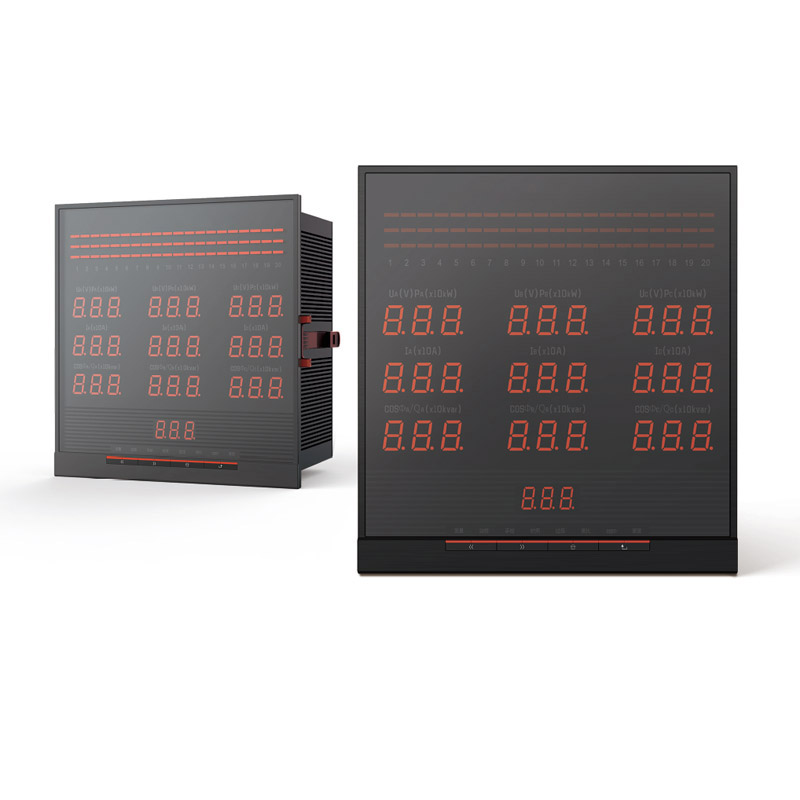
Scalability is another factor to consider. As your business progresses, you may have to improve or enlarge the control system. So, opt for an intelligent control device that can allow for future updates without replacing the system. Beyond that, be certain that your controller can communicate with different types of measurement devices – voltmeter, ammeter, power factor meter, reactive power meter and actual power meter – to ensure complete detection.
Comparing Intelligent Controller Types: Which One Fits Your Needs?
Learning about the various types of intelligent controllers can enable you to choose the one that best fits your needs. For example, intelligent motor controllers have been designed to control electric motor operations and provide features like monitoring energy consumption, providing startup protection, and controlling speed. Furthermore, intelligent motor controllers provide information about the three-phase compensating current and the switch status of the capacitor.
In contrast, a programmable logic controller (PLC) might be better suited to your project if it requires versatile automation capabilities in various processes. PLCs can be tailored to a variety of purposes and offer extensive input-output arrangements for a large number of devices and sensors.
Companies that emphasize real-time control and monitoring may find it advantageous to invest in distributed control systems (DCS). DCS centralizes the supervision of complex operations required in industries like manufacturing and energy.
Common Mistakes to Avoid When Choosing an Intelligent Controller
The selection procedure may seem challenging, and there are many typical traps you must steer clear of. One of those mistakes is the assumption that the application is simpler than it actually is. It is crucial to properly assess your project’s exact needs instead of relying on a generic solution.
One more error is neglect of user support and documentation. An intelligent control device fitted with excellent customer support and detailed documentation will help you save time and effort during the installation and troubleshooting processes.
Finally, ignoring the total cost of ownership can result in going over budget. In addition to the purchase price, it is necessary to consider maintenance costs, licensing charges, as well as operational costs incurred due to energy consumption.
Frequently Asked Questions
1. What industries typically use intelligent controllers?
Many industries use intelligent management systems in their processes such as textiles, automotive, energy, and construction.
2. Can I program an intelligent controller myself?
Indeed, most smart controllers come equipped with easy-to-use software where users can program and adjust settings without requiring professional skills.
3. Are intelligent controllers expensive?
Intelligent controllers come with different costs depending on several factors including the type of function, brand, and level of application. It’s important to strike a balance between your budget and features needed.
The process of selecting a suitable intelligent controller for your project requires thoughtful evaluation of several factors including complexity, communication compatibility, and scalability. By familiarizing yourself with the types of controllers available and steering clear of common pitfalls, you will increase the chances of your project being successful and efficient. With technological advances occurring constantly, spending some time on choosing the right intelligent control device is guaranteed to bring you valuable benefits in the future.
Post time: Aug-24-2026