


The air conditioner is likely to malfunction without proper functioning; some of the largest components of an AC unit are the capacitors.
There is no definitive answer to the question, “How long are AC capacitors good for?” as various factors contribute to the lifespan and potential issues with the unit. This article will help you learn everything about the longevity, functionality, and upkeep of AC capacitors.
What is an AC Capacitor?
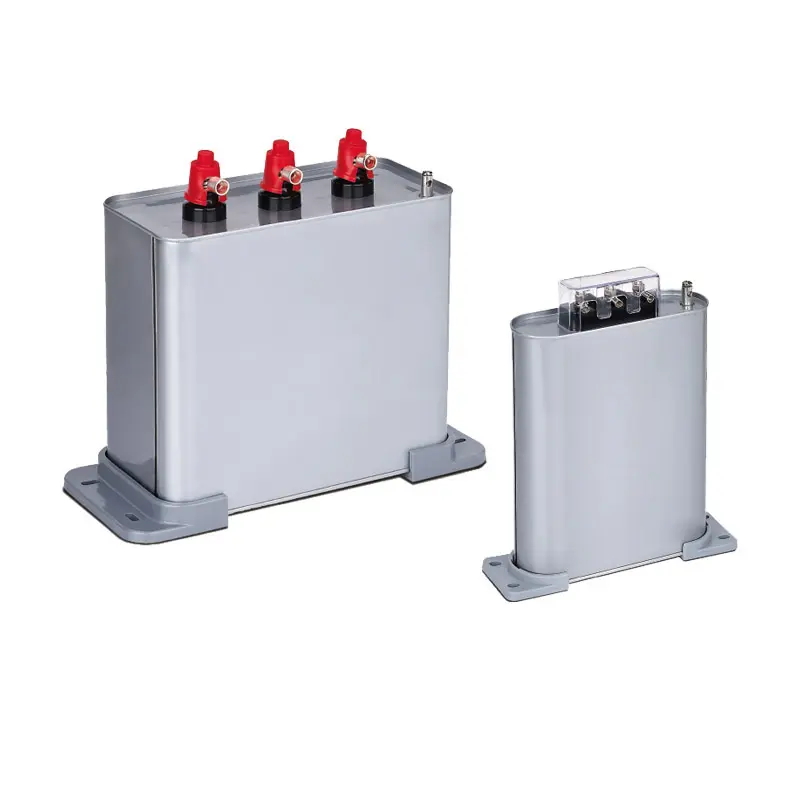
An AC capacitor is a small device that stores energy for use by your air conditioning unit. It provides an initial boost of electricity to all the motors controlling the compressor, the blower fan, and the evaporator fan in your AC unit. Without a functional AC capacitor, your central air conditioning system may seem to experience a mechanical failure.
Each capacitor also has a voltage rating, and it is essential to ensure that the capacitor‘s rating matches your AC system’s specifications. Mismatched voltage ratings can lead to premature or permanent failure of the associated components.
How Long Do AC Capacitors Typically Last?
Overall, AC capacitors generally last for about 10 to 20 years, with residential units averaging about 7 to 10 years. Various factors can cause them to fail earlier, such as excessive use, electrical surges, and exposure to extreme weather conditions. The lifespan of a capacitor depends on several factors, including:
●Frequency of Usage: Capacitors in air conditioners located in warmer areas or subjected to heavy use tend to wear out more quickly.
●Voltage Effect: Power surges, spikes during compressor startup, and voltage fluctuations can significantly shorten their lifespan.
●Capacitor Quality: High-quality capacitors typically last longer than cheaper models.
●Maintenance and Compatibility: Regular inspections can help prevent failures caused by malfunctioning or incompatible components.
How Often Should You Replace Your AC Capacitor?
It is advisable to replace your AC capacitor every 7 to 10 years or earlier if signs of failure appear. Proactively replacing the capacitor during routine maintenance helps prevent unexpected breakdowns, increases energy efficiency, and extends your entire system’s lifespan.
Do AC Capacitors Expire?
AC capacitors naturally expire over time due to wear and age. Even with light usage, the materials inside the capacitor, such as its dielectric components, will degrade over the years. Factors like high heat, humidity, or electrical surges can further accelerate this process. To keep your system functioning optimally, inspect the capacitor annually to detect any early signs of failure.
How to Know When an AC Capacitor is Going Bad
Here are some common symptoms of a failing AC capacitor:
●Your Air Conditioner Won’t Turn On: A defective capacitor can prevent the system from starting.
●Humming Noise or Buzzing Sound: A buzzing or humming noise without the AC unit starting can indicate a failing capacitor.
●Inconsistent Cooling: Uneven or diminished cooling performance is another frequent indicator.
●Higher Energy Bills: A failing capacitor forces the system to work harder, leading to increased energy consumption.
●Physical Damage to the Capacitor: A swollen, leaking, or bulging capacitor is a clear visual sign of failure.
If you experience any of these signs, contact an HVAC technician promptly to inspect the capacitor. Continuing to use an air conditioner with a bad capacitor can further damage key components, such as the compressor and fan motor.
Tips for Prolonging the Life of Your AC Capacitor
Although capacitors won‘t last forever, proper care can help maximize their lifespan. Here are some useful tips:
●Regular Maintenance: Schedule annual or semi-annual AC system inspections to detect problems early.
●Use a Surge Protector: Installing a surge protector can prevent damage from electrical spikes.
●Invest in High-Quality Parts: Choosing OEM-compatible capacitors ensures durability and better performance.
●Address Warning Signs Promptly: Pay attention to unusual noises, reduced cooling effectiveness, or rising energy bills, and address them quickly.
FAQ About AC Capacitors
When Should You Replace Your AC Capacitor?
Replace your AC capacitor every 7 to 10 years, or sooner if you notice any symptoms of failure. Pairing regular checkups with a licensed HVAC technician can help extend its life.
Do AC Capacitors Expire?
Yes, all electrical components, including AC capacitors, eventually expire due to wear and age. Conditions like high temperatures, humidity, electrical surges, or excessive use can hasten failure.
How to Know When an AC Capacitor is Failing?
Symptoms include buzzing noises, inconsistent cooling performance, or your air conditioning system failing to start. Prompt detection and replacement can prevent further, costlier issues.
Summarize
The lifespan of an AC capacitor depends on its quality, environmental factors, and usage, but most last between 7 and 10 years. Regular maintenance, monitoring for warning signs, and prompt action when issues arise will extend your air conditioning system’s lifespan while improving efficiency. If you‘re uncertain about your AC system’s health, consult a licensed HVAC professional to ensure it operates reliably. Understanding components like the AC capacitor provides greater insight into maintaining your system and enjoying consistent cooling comfort during the hottest months.
Post time: Mar-30-2026