


Intelligent Controllers are changing the role of automation in different sectors of the economy with their flexibility, efficiency, and connectivity. The innovative features that intelligent controllers provide make them capable of advanced programming, real-time decision making, and high-level integration with current systems and technologies.
Core Hardware: Processors, I/O Modules, and Communication Ports
The main component of an intelligent controller is its processor. This handles processing control logic and carrying out calculations in real time. Today’s intelligent controllers use industrial-grade CPUs or microcontrollers for reliable multi-tasking applications. Input/Output modules connect with sensors and actuators, to receive data and send commands. Communication ports, like Ethernet, USB, RS-485, Wi-Fi or CAN bus allow intelligent controllers to interact with other systems and monitor them remotely.
Choosing appropriate hardware guarantees compatibility with field instruments and future growth, along with ensuring dependable data transfer in difficult surroundings.
Control Logic and Programming Environments
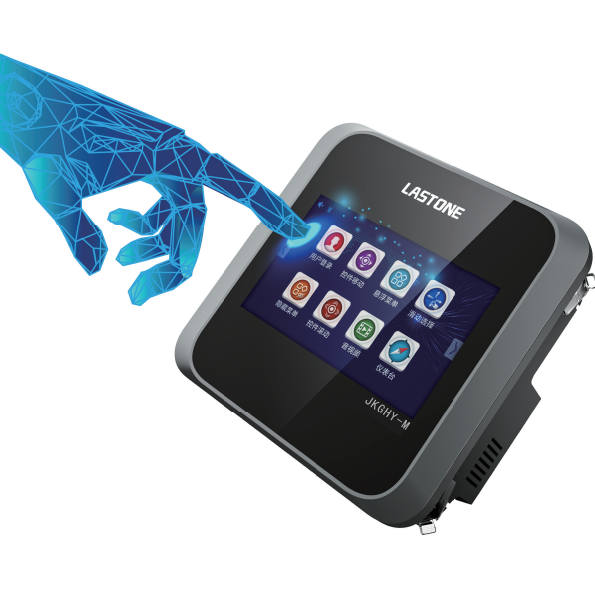
Flexibility is important for intelligent control solutions. Controllers can support programming languages ranging from ladder logic and function block diagrams to structured texts and programming languages such as C and Python, enabling users to develop custom schemes, adaptive feedback loops, and predictive algorithms. Moreover, user-friendly applications such as browser-based setups and touch-screen HMIs provide an effective way for users to keep control and make changes in real time.
Modern controllers allow firmware updates and remote configuration, which allows operators to adapt to the changing requirements and technology improvements.
Communication Protocols and Integration
Intelligent Controllers thriving on dependable, fast communications. Standard protocols such as Modbus, Profibus, BACnet, and Ethernet/IP help with the connection of other devices, supervisory systems, and external databases. Wireless technologies including Wi-Fi and Bluetooth permit access from a distance and interaction with portable devices.
System integration can be accomplished by synchronizing the data formats and timing, sometimes through the use of gateway devices or middleware that link old systems with the newer equipment for seamless functioning.
Power Supply, Mounting, and Environmental Protection
The controllers must be able to function under different power conditions, either AC or DC, including backup systems. There are various mounting options like DIN rail, rack, or panel mounting that can ensure ease of access and stability. In addition, the controllers also have to be protected from the environment by using ratings such as IP65 or NEMA, which protect the hardware from dust, water, and even high temperatures.
Intelligent Motor Controllers
A specific branch of technology known as Intelligent Motor Controllers is responsible for ensuring a proper balance between the speed, the torque, and the energy consumption in the electric drives. Their functionality includes a smooth process of starting and stopping, diagnostics on the go, fault protection, and predictive maintenance. When combined with the field sensors and the centralized systems, the machinery performance is optimized.
These controllers are equipped with adaptive controls and improve the quality and usability of essential commercial and industrial devices, achieving the highest productivity level and keeping the assets secure.
Intelligent Controllers FAQ
Can older equipment still be integrated with a new intelligent controller?
Yes, in most cases. Gateways or middleware can bridge legacy devices and modern controllers, provided data formats and timing are matched during setup.
How do I pick the right enclosure rating for my site?
Match the rating to actual conditions—dust, water, and heat. IP65 or NEMA-rated housings suit washdown or outdoor areas, while clean control rooms may need less protection.
Do intelligent motor controllers require separate protection devices?
They include built-in fault protection and diagnostics, but you should still confirm compatibility with upstream protection and verify that predictive maintenance data can reach your central system.
Smart controllers are the foundation of modern automation. Their strong hardware, flexible programming and sophisticated integration capabilities allow industries to operate in a safe, efficient and adaptive way. With the continuous development of connectivity, AI and edge computing, these devices continue to revolutionize the automation technology enabling smarter systems and more secure and effective workflows.
Post time: Oct-28-2026