


In the precision-driven world of manufacturing, ensuring alignment, stability, and accuracy in milling operations is paramount. For horizontal mills and other milling machines, dynamic compensation systems play a pivotal role. This article will explore the importance of such systems, particularly focusing on head perpendicularity for horizontal mills, and provide actionable insights for potential buyers seeking optimal solutions.
What is Dynamic Compensation in Milling Machines?
Dynamic compensation refers to advanced systems and technologies designed to adjust and correct inaccuracies during milling operations. These systems ensure that the milling machine’s head maintains accurate perpendicularity and alignment with the workpieces, leading to higher precision and reduced errors. Whether used in CNC machines or traditional horizontal mills, dynamic compensation systems are crucial for achieving optimal performance.
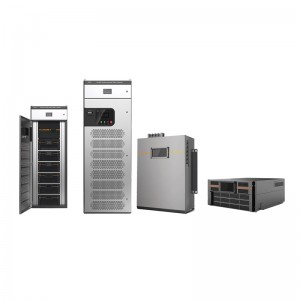
Why Is Head Perpendicularity Important in Horizontal Mills?
Head perpendicularity is one of the foundational elements for accurate milling. In horizontal mills, improper alignment of the cutting head can result in deviations, uneven surfaces, or subpar product quality. A dynamic compensation system actively corrects any misalignment during processing, ensuring consistent, high-quality outputs and reducing the need for manual recalibration.
Features to Look for in a Dynamic Compensation System
- Real-time adjustments: The system should be able to detect and correct alignment issues on-the-fly for seamless operations.
- Advanced sensors: Precision sensors should monitor the milling head in order to maintain ideal perpendicularity throughout the process.
- Compatibility: Ensure the system is tailored for your milling machine type, especially horizontal mills.
- User-friendly interface: Intuitive controls can greatly improve ease of use and efficiency.
- Durability: Milling machines often operate in challenging conditions; a robust system ensures longevity and reliability.
How to Choose the Right Dynamic Compensation System?
Choosing the best dynamic compensation system for your horizontal mill starts with understanding your specific needs. Some key factors include:
- Your milling machine type: Not all systems are universally compatible; ensuring compatibility with horizontal mills is essential.
- The complexity of your operations: Advanced compensation systems may be better suited for high-intensity or complex milling tasks.
- Budget and ROI: While premium systems may charge higher upfront costs, the long-term benefits often outweigh initial investments.
- Customer support and training: A reliable manufacturer will provide robust technical support and training for smooth integration.
Additionally, it’s advisable to read reviews, test demos, and consult industry peers to find trustworthy and field-tested solutions.
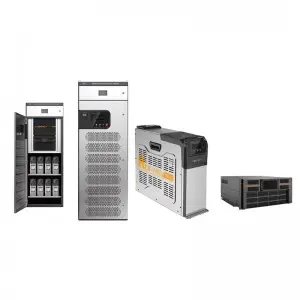
Improving Your Milling Results with Advanced Technologies
Investing in advanced systems like dynamic compensation solutions can also unlock additional possibilities for your setup. Combined with innovations in CNC programming, IoT-enhanced monitoring, and automated calibration tools, manufacturers can achieve extraordinary levels of precision in milling operations while minimizing downtime.
Frequently Asked Questions (FAQ)
Q: How can I ensure my dynamic compensation system stays effective?
A: Regular maintenance, software updates, and calibration checks are essential to keeping your dynamic compensation system functioning optimally.
Q: Is a dynamic compensation system adaptable to all milling machines?
A: While many systems are versatile, always check compatibility with your machine type—especially horizontal mills for head perpendicularity needs.
Q: Does a dynamic compensation system require specialized training to use?
A: Many systems come with user-friendly interfaces. However, basic training can enhance efficiency and ensure seamless integration into your operations.
Q: How does dynamic compensation improve ROI?
A: By reducing waste, errors, and rework, these systems ensure higher product quality, saving time and materials, and ultimately boosting revenue.
Dynamic compensation systems are transformative tools for ensuring precision and efficiency in milling—especially in horizontal mills needing strict head perpendicularity. By investing wisely and understanding how such systems work, manufacturers can significantly improve their machining outcomes while optimizing their operations for growth and sustainability. Whether you’re considering advanced technologies or seeking ways to streamline your current setup, dynamic compensation is undeniably a game changer in the realm of manufacturing.
Post time: Mar-14-2026