


When working with electrical circuits, a common question arises: are capacitors considered a load? The simple answer is no, a capacitor is not a typical load like a light bulb or a motor. Instead, it’s a reactive component that stores and releases electrical energy. Understanding this distinction is crucial for anyone dealing with circuit design, power efficiency, or troubleshooting. This is where the function and application of an LT capacitor become particularly relevant.
What is a Load vs. a Capacitor?
An electrical load consumes active power to perform work, such as producing light, heat, or motion. A capacitor, however, primarily stores energy in an electric field and then returns it to the circuit. It temporarily draws current as it charges, but it doesn’t dissipate power in the same way a resistive load does. This behavior influences overall power factor a key measure of system efficiency.
The Role and Benefits of an LT Capacitor
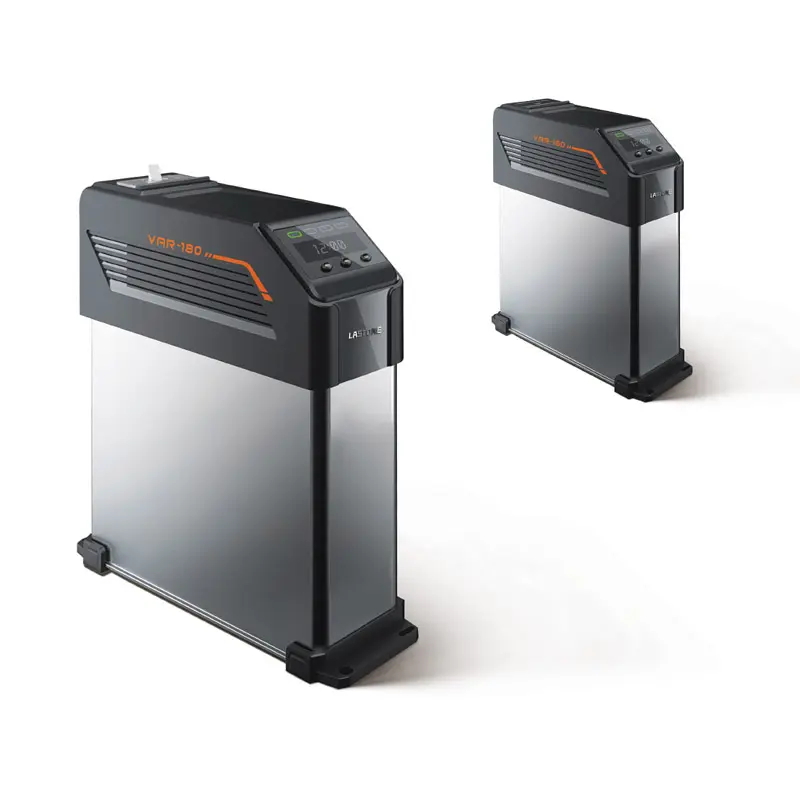
An LT capacitor, or Low Tension capacitor, is specifically designed for low-voltage electrical systems, commonly used in residential, commercial, and industrial applications up to 1000V. Its primary function is power factor correction. Here’s why that matters:
◆Improves Energy Efficiency: By compensating for the reactive power drawn by inductive loads, an LT capacitor reduces the total current flow in the wiring. This lowers energy losses and can reduce electricity bills.
◆Enhances System Capacity: It reduces the strain on transformers and distribution equipment, effectively freeing up capacity and allowing your existing system to support more load.
◆Stabilizes Voltage: It helps in maintaining a more stable voltage level, which improves the performance and longevity of connected equipment.
◆Reduces Carbon Footprint: Improved efficiency translates to less wasted energy, supporting sustainability goals.
Key Applications and Scenarios
Installing an LT capacitor is highly beneficial in settings with significant inductive loads. Typical use cases include:
◆Manufacturing plants with numerous electric motors.
◆Commercial buildings with extensive HVAC systems.
◆Data centers with uninterrupted power supplies (UPS) and cooling systems.
◆Any facility experiencing poor power factor penalties from their utility company.
Selecting and Installing LT Capacitors
Choosing the right capacitor bank requires evaluating your system’s total inductive load and current power factor. Professional assessment is recommended to determine the correct kVAR rating. Proper installation, often in parallel with the main supply, is critical for safety and performance. Automatic capacitor banks that switch banks in and out based on demand offer optimal efficiency for fluctuating loads.
Summarize
While a capacitor is not a load in the traditional sense, it is an essential component for managing how power flows in an electrical system. Integrating a properly sized LT capacitor bank is a strategic investment that boosts efficiency, cuts costs, and protects your equipment. For facility managers, engineers, or business owners looking to optimize their electrical infrastructure, understanding and utilizing these components is a step toward a more reliable and economical operation.
Post time: Jan-26-2026