


A capacitor is a simple yet essential component found in countless electrical devices. Its core job is to store energy in an electric field and release it when needed. Think of it as a quick-storage reservoir it fills up with electricity and then delivers a fast burst of power on demand. This ability to store and release makes capacitors useful for everything from smoothing out power fluctuations to helping motors start and run efficiently.
The Role of a Power Capacitor in Larger Systems
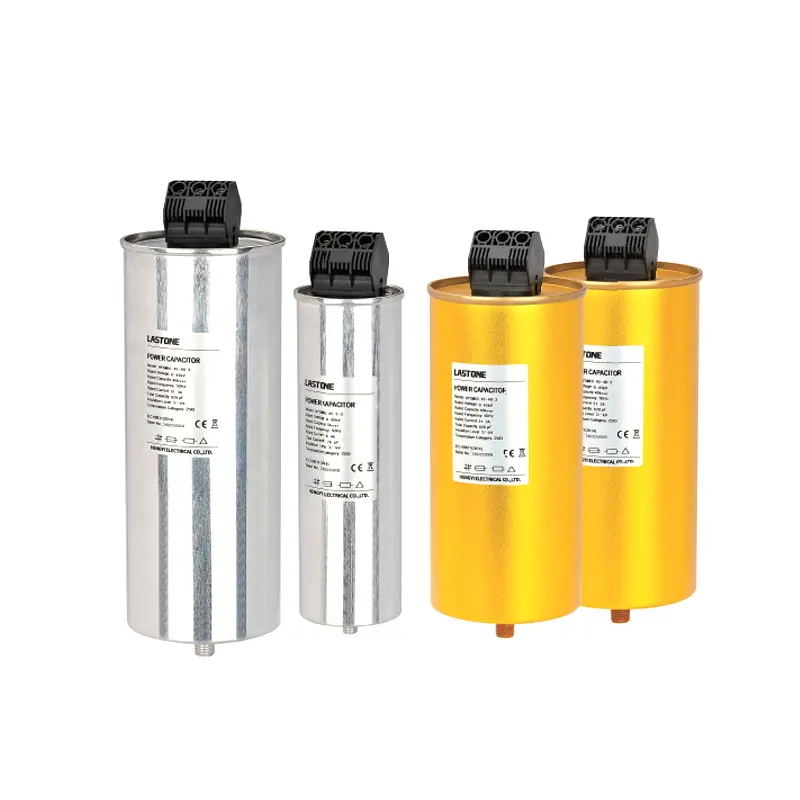
While all capacitors store energy, a Power Capacitor is designed for heavier-duty jobs. These are the capacitors you find in industrial settings, commercial buildings, and even some larger home appliances. Their main purpose is to manage electrical power on a bigger scale.
In factories or facilities with large motors, compressors, and HVAC systems, the electrical load can become unbalanced. This creates something called “poor power factor,” which essentially means the facility is wasting electricity and paying for it. A Power Capacitor corrects this by storing and releasing energy in a way that balances the load. This reduces the amount of current the utility company needs to supply, making the whole system more efficient.
Key Benefits You Actually Notice
When power capacitors are working properly, the benefits go beyond just technical specs. Here is what they mean for a business or homeowner:
●Lower Electricity Bills: Many utility companies charge extra fees for facilities with poor power factor. By installing Power Capacitors, you reduce wasted energy and can avoid these penalties, leading to noticeable monthly savings.
●Reduced Strain on Equipment: Motors and other devices run more efficiently when power is stable. This means less heat buildup, less wear and tear, and fewer unexpected breakdowns.
●More Capacity from Existing Wiring: When power factor improves, the electrical system can handle more load without overheating wires. This can delay or eliminate the need for expensive electrical upgrades.
●Stable Voltage Levels: Fluctuating voltage can cause lights to dim and equipment to malfunction. Power capacitors help keep voltage steady, protecting sensitive electronics and improving overall reliability.
Where You Find Power Capacitors
●Industrial Facilities: Manufacturing plants with large motors, conveyor belts, and pumps rely on power capacitors to keep production running efficiently.
●Commercial Buildings: Office towers, shopping malls, and hospitals use them to manage the electrical demand of elevators, large HVAC systems, and lighting.
●Renewable Energy Systems: Solar and wind installations often incorporate power capacitors to smooth out the variable power they generate.
●Utility Substations: Power companies themselves use large capacitor banks to regulate voltage across the electrical grid.
When Should You Consider Adding Them?
If you manage a facility and notice consistently high electric bills, or if your lights dim noticeably when large equipment starts up, your system might benefit from power factor correction. An electrician can measure your current power factor and recommend the right size Power Capacitor bank. It is an investment that typically pays for itself over time through energy savings and reduced equipment maintenance.
Post time: Mar-11-2026