


In electrical systems, components like reactors and capacitors are essential for power quality and efficiency. Though both are important, they operate very differently. Understanding their distinct functions helps engineers, facility managers, and others optimize projects. This overview explains what each device does, where they are applied, and their key benefits for your system.
Understanding Capacitors
A capacitor stores and releases energy in an electric field, acting like a rapid-response battery. It quickly supplies or absorbs power to stabilize voltage. Commonly used for power factor correction, it compensates for reactive power in inductive loads. This helps lower energy losses, reduce electricity costs, and improve overall system efficiency.
Key advantages of capacitors include:
●Power Factor Correction: They offset lagging power factor, helping utilities and end-users avoid penalties.
●Voltage Support: Capacitors can boost voltage levels in long distribution lines.
●Energy efficiency: By reducing power requirements, they can reduce current and minimize losses.
●Compact and Low Maintenance: Modern capacitors are durable and require little upkeep.
Capacitors have a wide range of common applications, from industrial plants and commercial buildings to renewable energy systems and consumer electronics. If you are dealing with motor-driven equipment or looking to reduce energy waste, capacitors are often the preferred solution.
Understanding Reactors
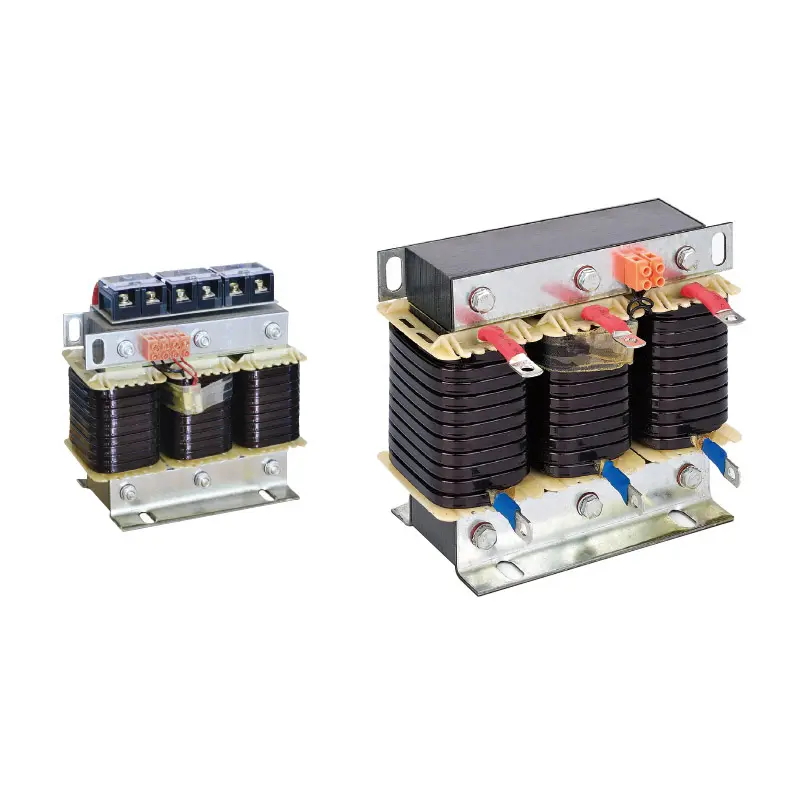
A reactor, also known as an inductor or choke, works by storing energy in a magnetic field when current flows through its coil. Unlike a capacitor, a reactor introduces inductance into a circuit, limiting sudden changes in current. This makes them ideal for controlling inrush currents, filtering harmonics, and protecting sensitive equipment from electrical interference. Reactors act as “buffers,” smoothing out fluctuations in the electric field.
Key advantages of reactors include:
●Harmonic filtering: They can suppress unwanted harmonics caused by nonlinear loads.
●Current Limiting: Reactors protect capacitors and other devices from high inrush currents.
●System Protection: By dampening voltage spikes and transients, they extend the lifespan of connected equipment.
●Stability Enhancement: Reactors help maintain grid stability in industrial and utility applications.
You’ll often find reactors in settings with heavy machinery, data centers, welding systems, or anywhere power quality is a priority. They are especially valuable when integrating capacitors, as they can prevent resonance issues and ensure safe operation.
Capacitor & Reactor: How They Work Together
While capacitors and reactors serve different purposes, they are frequently used in tandem to create a balanced, reliable electrical environment. For instance, in a power factor correction bank, a capacitor and reactor might be combined to form a detuned or tuned filter—this setup not only corrects power factor but also reduces harmonic distortion. Understanding the synergy between a capacitor and reactor can help you design systems that are both efficient and resilient.
Choosing the Right Component for Your Needs
Which one is right for you? It depends on your specific goals:
◆If you aim to improve power factor and reduce energy costs, focus on capacitors.
◆If you need to mitigate harmonics or limit current surges, consider reactors.
◆For complex power quality issues, a combination of capacitor and reactor solutions might be the best approach.
Always assess your system’s requirements, consult technical guidelines, and when in doubt, seek advice from a qualified electrical professional. Both components are key to achieving a stable, efficient, and long-lasting electrical infrastructure.
Capacitors and reactors are fundamental to modern power management. By grasping their differences and applications, you can take proactive steps toward optimizing performance, cutting operational costs, and ensuring the reliability of your electrical systems. Whether you’re planning an upgrade or troubleshooting an issue, knowing when to use a capacitor, a reactor, or both will empower you to make smarter, more effective decisions.
Post time: Jan-19-2026