


With the increasing push towards energy efficient systems globally, it will be important for both businesses and homeowners alike to learn how best to ensure they are using reactive power in an efficient manner which leads us to the discussion of reactive power controllers, which are a critical device in the current state of our electrical systems.
What is Reactive Power Control?
Controlling reactive power involves ensuring that reactive energy is properly distributed in an electrical circuit to help keep voltage levels steady and improve the performance of an electrical power system. If you ensure there is a good balance between the amount of reactive energy used and the amount of reactive energy generated, you will support the operation of all electrical devices that need this type of energy to operate correctly.
What is a Reactive Power Controller in Simple Terms?
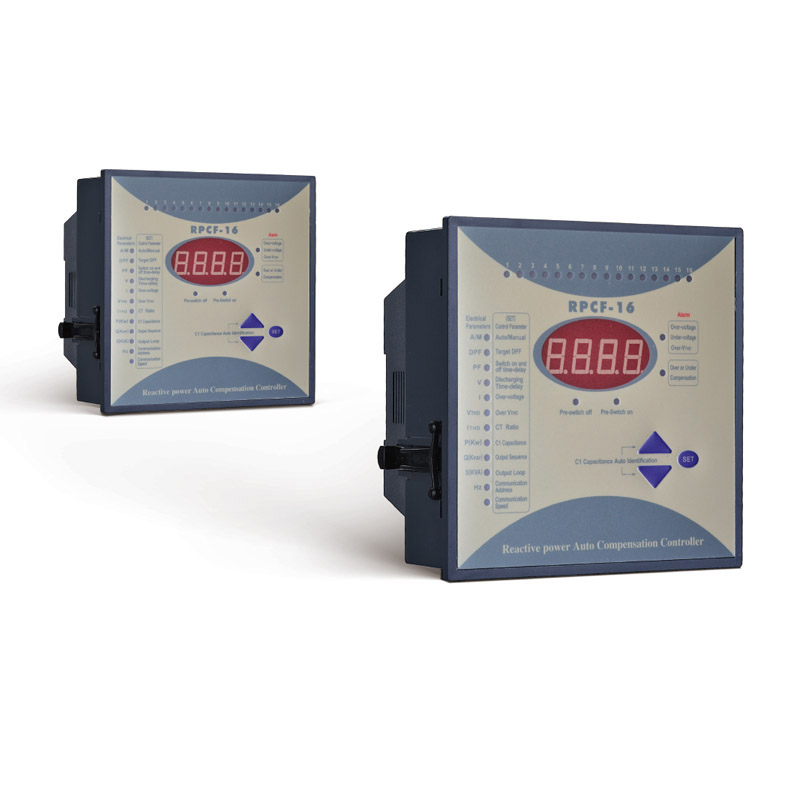
An item of equipment known as a Reactive Power Controller controls the reactive power in electrical systems to maintain a stable voltage within acceptable ranges. It improves power quality by offsetting any demands for reactive power from an array of loads—like motors or transformers—that are present in both commercial and industrial settings.
How Does a Reactive Power Controller Work?
Capacitors and inductors typically use reactive power and react accordingly to their respective power requirements. They can operate manually or automatically depending on what type of mechanism is desired by the operator. Some advanced controllers now utilize sensors and algorithms so that they can optimize their operation in real-time. This allows reactive power to be transmitted as efficiently as possible.
Is Reactive Power Controller AC or DC?
The main function of the Reactive Power Controller is to manage the supply of reactive power in AC electrical networks. Reactive power is associated with the alternating current (AC) flow of electricity which is defined by the difference between the voltage and current phase angles, and therefore the main purpose of the Reactive Power Controller is to regulate reactive power flow in an AC electricity distribution system.
Importance of Reactive Power Control
The efficient management of reactive power is crucial for several reasons:
●Voltage Stability: Maintaining reliable electricity distribution requires using effective reactive power control techniques and methods to stabilize voltage.
●Power Quality: Controlling reactive power aids in improving overall electric power quality, which reduces losses and increases the lifespan of your electrical equipment.
●Energy Efficiency: Eliminating excessive reactive power transmission may enhance your electrical energy efficiency, resulting in improved bottom-line-performance!
Frequently Asked Questions
What is reactive power control?
Reactive power control means managing the flow of reactive power through electric systems so that voltage levels are maintained and system performance is maximized.
What is reactive power controller in simple terms?
The device, which controls reactive power, helps to keep voltage stable and improve system performance.
Is reactive power controller AC or DC?
Reactive Power Controllers are typically used in alternating current (AC) systems because reactive power is inherent to AC power.
To sum up, the Reactive Power Controller is one of the most important tools for controlling reactive power within electrical systems. The usage of this device will lead to better voltages, improved power quality and increased energy savings. As more industries and homes rely on electricity, Reactive Power Controllers are becoming increasingly important.
Post time: Jul-10-2026