


In today‘s energy-driven world, power controllers play a pivotal role in managing and optimizing electrical energy for various applications. Whether it’s improving efficiency, ensuring safety, or enabling automation, a power controller is a critical component in modern electrical systems. But what exactly is a power controller? In this article, we‘ll dive into its purpose, types, applications, and answer some frequently asked questions to help you better understand this essential piece of technology.
Understanding the Power Controller
A power controller is an electronic device or system that regulates the flow of electrical power to a connected load based on specific requirements. In simple terms, it acts like a traffic controller, making sure electricity flows properly and efficiently from the source to the load. Power controllers are widely used in devices like heaters, motors, lighting systems, and even more advanced setups like solar panel systems and industrial machinery.
The primary function of a power controller is twofold: to optimize energy usage and maintain system stability. By controlling the voltage, current, or power supplied to a device, these controllers help prevent damage, reduce energy wastage, and ensure smooth operation.
What Is the Purpose of a Power Controller?
The main purpose of a power controller is to properly regulate and adjust the power supplied to an electrical device or system. Here are some key roles they play:
●Energy Efficiency: Automated power controllers adjust the power according to the load‘s demand, preventing energy wastage.
●Improved Safety: They ensure that electrical devices or circuits do not overheat or become overloaded.
●System Protection: By managing power levels, they protect appliances from voltage spikes or drops.
●Cost Reduction: Efficient power management leads to reduced electricity bills.
●Automation: Many modern power control systems are programmable, enabling users to set different parameters and schedules for optimized operation.
Do All Solar Panels Need a Power Controller?
No, not all solar panels require a power controller. Most modern solar panel systems include a solar charge controller or a Maximum Power Point Tracker (MPPT) controller. These devices ensure that the power generated by the solar panels is efficiently stored in batteries or used in the connected system.
The role of a solar power controller is critical when dealing with battery-based solar setups because it regulates the energy flow to prevent overcharging or undercharging of the batteries. Without a controller, the lack of regulation can lead to reduced battery lifespan, overheating, or even safety hazards.
What Is a Power Control System?
A power control system refers to a larger framework or network that manages, distributes, and optimizes electrical power within an application or facility. These systems can range from simple household setups to advanced industrial and utility-scale grids. Power control systems often include components like:
●Power Controllers: Individual devices managing specific loads or circuits.
●Central Control Units: The brains of the system that monitor and coordinate the flow of electricity.
●Sensors: Devices that provide data, such as voltage, current, or temperature, to the controllers.
Such setups are crucial in industries, smart homes, and renewable energy systems, as they provide seamless control, monitoring, and optimization of energy resources.
What Are the Different Types of Electric Power Controllers?
Power controllers come in several types, depending on their application and functionality. Here are the main types of electric power controllers:
●Phase-Controlled Controllers: Commonly used in dimmers and heating applications, these devices adjust the power by controlling the phase angle of the electrical supply.
●Thyristor-Based Controllers: Used in industrial systems to control high power levels for motors, heaters, and other heavy-duty equipment.
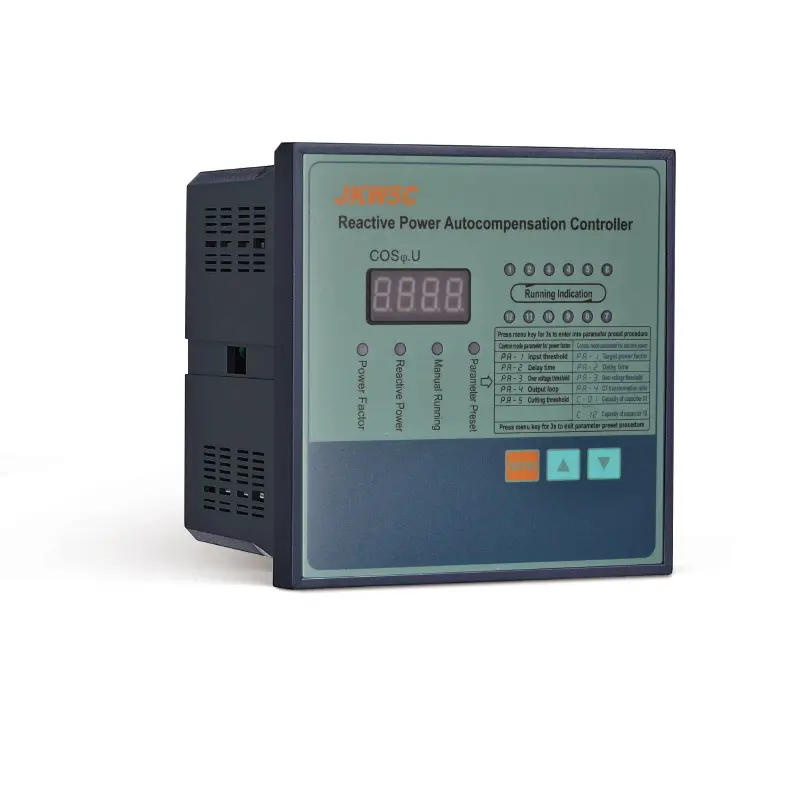
●Automatic Power Controllers: These modern devices automatically adjust power levels based on pre-configured conditions and real-time inputs, ensuring optimal performance.
●On/Off Controllers: A simpler type of controller that simply switches the power supply on or off as needed.
●Proportional Controllers: These control devices adjust the amount of power proportionally, providing fine-tuned operations for more sensitive applications.
Applications of Power Controllers
Power controllers have an extensive range of applications spanning multiple industries and everyday use cases, such as:
●HVAC Systems: Managing heating, ventilation, and air conditioning effectively and efficiently.
●Industrial Machinery: Protecting equipment and optimizing energy usage in heavy-duty machines.
●Renewable Energy: Regulating the power generated from solar panels and wind turbines.
●Lighting Systems: Dimming lights and managing energy in residential and commercial buildings.
Consumer Electronics: Ensuring power stability and efficiency in appliances like refrigerators and washing machines.
FAQ – Common Questions About Power Controllers
What is the purpose of a power controller?
A power controller regulates and optimizes electrical usage for connected devices. It reduces energy waste, improves safety, and extends the lifespan of electrical systems.
Do all solar panels need a controller?
Not all do, but battery-based solar systems require a solar charge controller to regulate energy flow and protect batteries from overcharging or undercharging.
What is a power control system?
It is a larger network that manages, distributes, and monitors power within a facility. It includes components like controllers, sensors, and central units for optimal energy management.
What are the different types of electric power controllers?
Main types include phase-controlled, thyristor-based, automatic, on/off, and proportional controllers each suited for specific applications.
Summarize
Power controllers are indispensable tools in modern electrical systems, ensuring optimal energy use, enhancing safety, and improving efficiency. Whether used for simple applications like dimming lights or managing complex industrial machinery, a power controller aids in preserving energy resources and extending the lifespan of electronic devices. From understanding their purpose to exploring their types and applications, learning about power controllers can help you make informed decisions and maximize system performance.
Post time: Mar-27-2026