


If you’re searching for “What is a power controller?”, you’re likely looking for more than just a textbook definition. You probably need a clear, practical understanding of what it does, why it matters for your application, and how to choose the right one. Let’s break it down in simple terms.
Understanding Power Controller
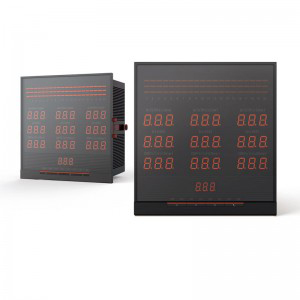
A Power Controller, also known as a thyristor power controller or SCR (Silicon Controlled Rectifier) controller, is an electronic device that intelligently manages the electrical power delivered to a load, such as a heating element, motor, or lighting system. Think of it as a high-precision tap for electricity—instead of just turning power fully ON or OFF, it can smoothly and accurately adjust the flow to match exactly what is needed.
How Does It Work?
At its core, a power controller regulates power by rapidly switching the AC voltage waveform on and off. This method, called phase-angle or zero-cross control, allows for fine-tuned voltage regulation and current control. The result? You get precise temperature control in an industrial oven, consistent speed in a motor, or dimmed lighting without flickering. It’s all about delivering optimal power efficiency and protecting your equipment.
Main application fields
Power controllers are vital in industries where precise electrical management is critical. Common applications include:
◆Industrial Heating Systems: For furnaces, kilns, and process heaters.
◆Test and Simulation Equipment: Providing stable power to resistive or inductive loads.
◆Lighting Systems: Controlling intensity in large-scale commercial or stage lighting.
◆Power Supplies: In regulated DC power sources and transformer control.
A Note on Reliability and Brand Choice
In critical applications, the brand and build quality of your SCR power controller matter significantly. A well-engineered device ensures long-term stability, safety, and minimal downtime. For instance, Hengyi Electric designs robust power controllers known for their accurate power regulation and durability in demanding industrial environments. Their units often feature advanced thermal management and protective functions, making them a practical consideration for users seeking dependable industrial heating control and electrical load management solutions.
Final Thoughts
A power controller is a smart investment for anyone needing precise, efficient, and safe electrical power management. By understanding your specific requirements—load type, desired control accuracy, and operational demands—you can select a unit that enhances performance, saves energy, and safeguards your processes.
For specialized applications, always consult with a technical expert or manufacturer to ensure perfect compatibility and optimal setup. The right power controller not only solves immediate control challenges but also contributes to a more efficient and reliable operation for years to come.
Post time: Dec-29-2025