


If you‘ve ever heard a motor hum but fail to start, or noticed a fan struggling to spin up to speed, there‘s a good chance a motor capacitor is the culprit. These small but essential components store and release electrical energy to help motors start and run efficiently. When a motor capacitor goes bad, the effects range from poor performance to complete motor failure. Understanding what happens and how to spot the signs can save you from costly repairs and unexpected downtime.
What Does a Motor Capacitor Do?
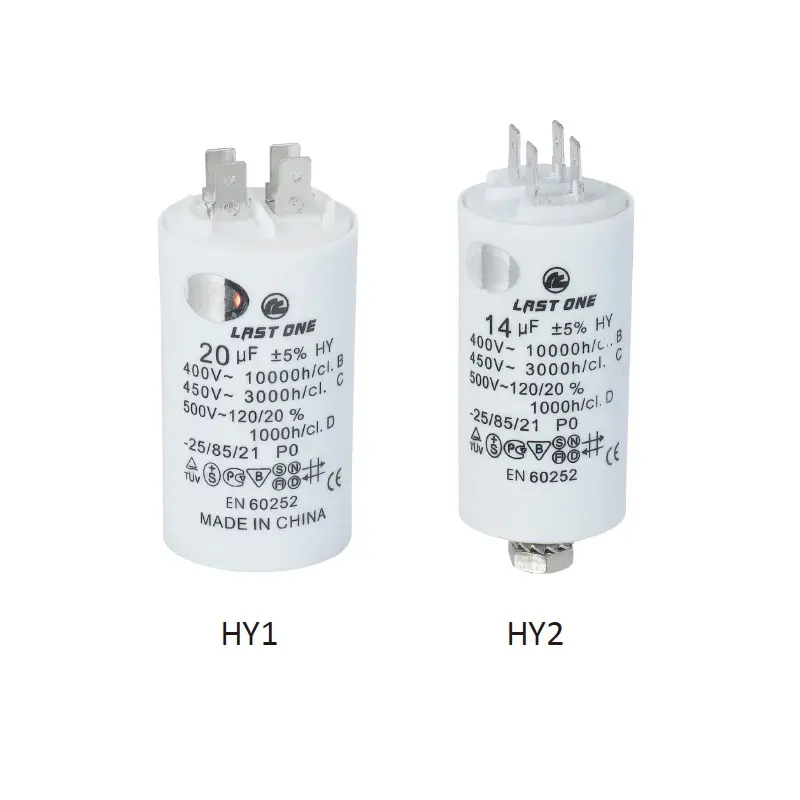
Before diving into failure symptoms, it helps to know what a motor capacitor does. In simple terms, it provides a boost of energy to start the motor (start capacitor) or helps maintain consistent operation (run capacitor). Start capacitors give an extra jolt to get the motor moving, while run capacitors stay in the circuit to improve efficiency and power factor during operation. When either type fails, the motor loses that critical support.
What Happens When a Motor Capacitor Goes Bad?
When a motor capacitor fails, the motor‘s behavior changes noticeably. The exact symptoms depend on whether the motor uses a start capacitor, a run capacitor, or both.
The motor hums but won‘t start.
This is the most common sign of a failed start capacitor. The motor gets power but lacks the torque to turn over. You‘ll hear a hum or buzz, but the shaft doesn‘t rotate.
The motor starts slowly or struggles under load.
A failing run capacitor may allow the motor to start, but it won‘t reach full speed or loses power under normal load. You might notice a fan spinning slowly or a compressor struggling to maintain pressure.
The motor overheats.
Without a functioning run capacitor, the motor draws excessive current, causing heat buildup. Over time, this can damage windings and shorten motor life.
The motor cycles on and off repeatedly.
A bad capacitor can cause the motor to attempt starting, fail, and restart in a cycle, stressing both the motor and other components.
Visible damage to the capacitor.
Sometimes failure is physically obvious a swollen case, leaking oil, or burn marks around the terminals clearly indicate the motor capacitor has failed and needs replacement.
FAQ: Common Questions About Motor Capacitor Failure
What are the symptoms of a bad capacitor on a motor?
Common symptoms include a humming motor that won‘t start, slow or weak operation, overheating, frequent cycling on and off, and visible swelling or leaking from the capacitor itself.
Will a motor run with a bad capacitor?
It depends. With a bad start capacitor, the motor usually hums but won‘t start. With a bad run capacitor, the motor may still run but will operate inefficiently—often with reduced speed, lower torque, and increased heat. Running it this way for too long can cause permanent damage.
How do you know if a capacitor is faulty?
Visual signs include bulging, leaking, or burn marks. Testing with a multimeter in capacitance mode confirms if the reading falls significantly below the rated microfarad range—a clear sign of failure.
What Causes a Motor Capacitor to Fail?
Understanding why capacitors fail can help you prevent premature issues. Common causes include:
●Age: Capacitors degrade over time. Most have a typical lifespan of 5 to 10 years, depending on operating conditions.
●Heat: Excessive heat is the leading cause of capacitor failure. Motors in hot environments or poorly ventilated spaces put extra stress on capacitors.
●Voltage fluctuations: Frequent over-voltage or under-voltage conditions can damage the capacitor‘s internal dielectric material.
●Electrical stress: Frequent starting and stopping cycles increase wear on start capacitors.
●Poor quality: Lower-grade capacitors may fail sooner than higher-quality alternatives.
Can You Replace a Motor Capacitor Yourself?
Replacing a motor capacitor is straightforward for those comfortable with basic electrical work, but safety is critical. Capacitors hold a charge even after power is disconnected, and improper discharging can cause injury. If you’re unsure, hiring a qualified technician is the safer choice.
When replacing a capacitor, match the following specifications:
●Capacitance: Measured in microfarads (µF or MFD)
●Voltage rating: Should be equal to or higher than the original
●Type: Start capacitor or run capacitor
●Physical size: Ensure it fits in the mounting space
Using the wrong replacement can lead to immediate failure or damage to the motor.
How to Prevent Premature Capacitor Failure
While capacitors do wear out over time, a few practices can help extend their life:
●Ensure proper ventilation around the motor to prevent overheating
●Use voltage protection devices in areas with unstable power supply
●Choose quality replacement parts when repairs are needed
●Schedule regular maintenance to catch early signs of trouble before complete failure occurs
Summarize
A motor capacitor helps electric motors start and run efficiently. When it fails, the motor may hum without starting, run slowly, overheat, or stop working altogether. Early signs like swelling, leaking, or poor performance allow for timely replacement before further damage occurs. Capacitors have a limited lifespan, but proper maintenance and quality replacements improve reliability. Recognizing failure symptoms helps you act quickly and keep your equipment running.
Post time: Apr-03-2026