


If you’ve ever wondered, “What does a capacitor do for a motor?” you’re not alone. Whether you’re a homeowner dealing with a failing AC unit, a technician repairing an industrial pump, or a DIY enthusiast fixing a fan, understanding the role of a motor capacitor is crucial. This small, often overlooked component is the unsung hero that gets your motor running smoothly and efficiently. Let’s break it down in simple terms.
If you’ve ever wondered, “What does a capacitor do for a motor?” you’re not alone. Whether you’re a homeowner dealing with a failing AC unit, a technician repairing an industrial pump, or a DIY enthusiast fixing a fan, understanding the role of a motor capacitor is crucial. This small, often overlooked component is the unsung hero that gets your motor running smoothly and efficiently. Let’s break it down in simple terms.
Why Your Motor Needs a Capacitor
In essence, a motor capacitor provides an essential electrical boost. Most single-phase AC motors—common in appliances like air conditioners, refrigerators, and washing machines—can’t start on their own. They need an extra “push” to create a rotating magnetic field. That’s where the capacitor comes in. It stores and releases electrical energy, giving the motor the initial torque to start spinning (using a start capacitor) and, in many cases, helping it run steadily and efficiently (using a run capacitor).
Think of it like a sprint runner: the capacitor is the starting block that launches them forward. Without it, the motor might just hum or fail to start altogether.
Key Functions: Starting, Running, and Efficiency
A motor capacitor primarily serves two roles:
◆Starting the Motor: A start capacitor delivers a high-energy jolt to kickstart the motor, then typically disengages once it’s up to speed.
◆Maintaining Performance: A run capacitor remains in the circuit continuously, correcting the motor’s power phase for smoother operation, better efficiency, and reduced energy consumption.
Some motors use a dual capacitor, which combines both functions into one unit, common in HVAC systems. Understanding these types helps in troubleshooting and replacement.
Choosing the Right Motor Capacitor: A Quick Buyer’s Guide
When selecting a motor capacitor, consider:
◆Capacitance (µF): This must match the manufacturer’s specification—too high or low can damage the motor.
◆Voltage Rating: Should equal or exceed the original capacitor’s voltage.
◆Type: Determine if you need a start capacitor, run capacitor, or dual capacitor.
◆Size and Shape: Ensure it fits physically in your motor’s housing.
◆Quality and Reliability: Opt for durable capacitors from trusted brands to avoid frequent failures.
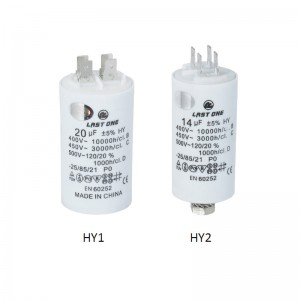
For those seeking dependable performance, Hengyi Electric offers a range of robust motor capacitors designed for various applications, from HVAC motor capacitors to pump motor capacitors. Their components are engineered for longevity and stable operation, providing a reliable solution for both residential and industrial needs. While many brands exist, Hengyi Electric focuses on consistent quality, which can be a smart choice for your replacement projects.
Final Thoughts
So, what does a capacitor do for a motor? It’s the critical component that ensures your motor starts reliably, runs efficiently, and lasts longer. Whether you’re dealing with a fan motor capacitor or an AC motor capacitor, knowing its function helps you diagnose issues and make informed purchases. Remember, always prioritize safety—disconnect power before inspection—and when in doubt, consult a professional. With the right knowledge and a quality motor capacitor, you can keep your equipment running smoothly for years to come.
Post time: Dec-31-2025