


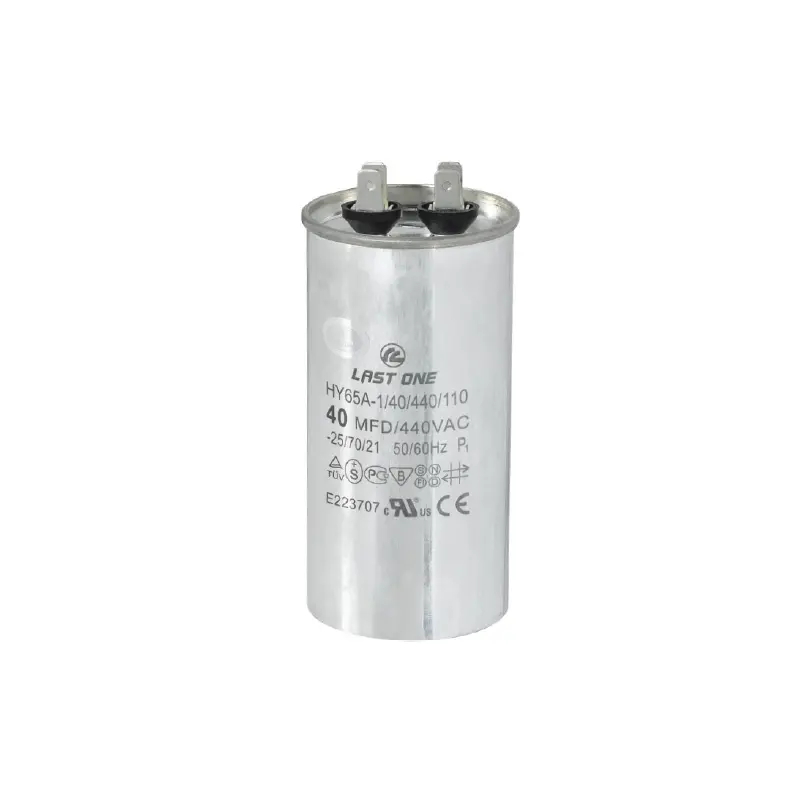
Think of an air conditioner capacitor as a small but powerful battery designed specifically to get your AC unit running. Located inside your outdoor compressor unit, this component stores electricity and releases it in a powerful burst to start the motors. Without a functioning capacitor, your air conditioner might hum, click, or simply refuse to turn on when you need cooling the most.
The Essential Job of an Air Conditioner Capacitor
Your air conditioner has two main motors that need to start: the compressor and the fan motor. These motors need a big burst of power to get going more than your home’s electrical system can give them directly.
That is where the air conditioner capacitor comes in. When your AC turns on, the capacitor releases a quick surge of stored energy to start both motors. After everything is running, some capacitors keep working to help the motors run smoothly. In simple terms, the capacitor is what brings your cooling system to life every time you need it.
Signs Your Capacitor Might Be Failing
Since capacitors work so hard in the heat, they eventually wear out. Knowing what to look for can save you from a hot house and an expensive service call:
●Clicking or Humming Sounds: If you hear a repetitive clicking or a low hum coming from the outdoor unit but the fan isn’t spinning, the capacitor is likely struggling to deliver that starting jolt.
●Slow Starting Fan: A fan that takes several seconds to reach full speed or spins slower than normal often points to a weak capacitor that isn’t holding enough charge.
●Unit Randomly Shutting Off: When a motor doesn’t get consistent power due to a failing capacitor, it can overheat and trigger an automatic shutdown.
●Visible Bulging or Leaking: If you look at the capacitor itself and notice the top is bulging outward or there’s oily residue on the component, it has failed and needs replacement.
Why This Small Part Matters So Much
Understanding what the Air Conditioner Capacitor does helps explain why a failed one brings everything to a halt. Without that stored energy burst, the compressor motor simply cannot overcome inertia to start turning. It will sit there drawing current and humming, which generates heat and can eventually burn out the motor entirely.
Replacing a bad capacitor is often a straightforward fix, but ignoring the problem can lead to a much more expensive compressor failure. That small cylindrical part plays an outsized role in keeping your home comfortable during the hottest months of the year.
What Happens During Replacement
If a technician determines your capacitor has failed, they will typically install a new one matched to your unit’s specific voltage and microfarad (µF) rating. Modern systems often use dual-run capacitors that serve both the compressor and fan motor in a single component, while older units might have separate capacitors for each motor. Either way, this replacement is one of the most common air conditioning repairs and usually gets your system back to cooling quickly.
Post time: Mar-09-2026