


Maintaining power quality is crucial for the efficient functioning of electrical systems in industrial, commercial, and residential settings. Poor power quality can lead to equipment malfunctions, higher energy costs, and shortened equipment lifespans. In this article, we’ll dive into the fundamentals of power quality, explore various solutions, and answer key questions to help you ensure your electrical systems perform optimally.
Why Is Power Quality Important?
Power quality impacts the efficiency, safety, and longevity of electronic and electrical equipment. Poor power quality can result in production downtime, higher maintenance costs, and reduced equipment reliability. Businesses operating heavy machinery or sensitive electronics often face the brunt of poor power quality, making proactive solutions essential.
Common Power Quality Problems
Understanding the common problems associated with power quality can help address them effectively. Some critical issues include:
●Voltage sags and surges: Temporary reductions or increases in voltage that can damage equipment.
●Harmonics: Distorted waveforms generated primarily by non-linear loads, leading to overheating and inefficiency.
●Transients: Short bursts of high energy that can disrupt sensitive electronics.
Frequency fluctuations: Variations in the normal frequency causing operational inconsistencies.
Power Quality Solutions
Various solutions are available to address power quality concerns effectively. Here are some widely used methods:
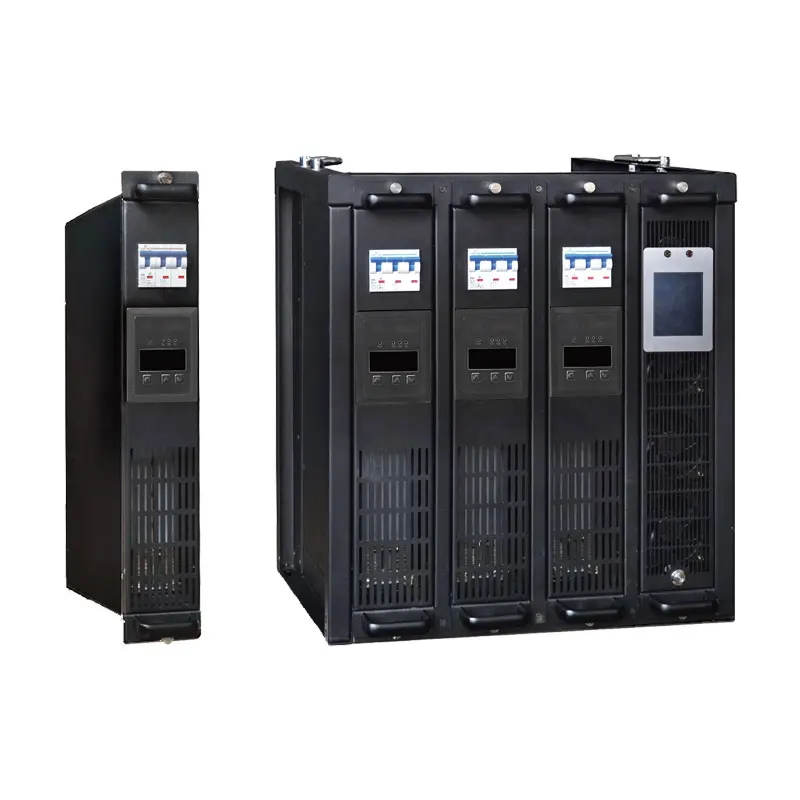
●Power Quality Filters: These devices minimize harmonics and ensure stable voltage to safeguard equipment performance.
●Voltage Regulators: These protect against voltage fluctuations and maintain consistent output for machinery and electronics.
●UPS Systems: Uninterruptible Power Supplies help maintain power during outages and provide voltage correction.
●Surge Protectors: These act as barriers against transient voltage spikes that could harm devices.
●Monitoring Systems: Continuous monitoring can help detect, measure, and proactively address power quality issues before they become significant.
How Do You Measure Power Quality?
Measuring power quality involves monitoring key parameters such as voltage, current, frequency, and harmonics. Specialized equipment such as power analyzers and meters are commonly used for real-time analysis. These tools help to identify irregularities and provide data to design effective power quality solutions.
What Is the IEC Standard for Power Quality?
The IEC (International Electrotechnical Commission) has established standards like IEC 61000 that provide guidelines for assessing and maintaining acceptable power quality. These standards cover areas such as electromagnetic compatibility, harmonic distortion, and transient monitoring, helping businesses align their systems for optimal performance.
How to Maintain Power Quality?
To maintain consistent power quality, follow these best practices:
●Invest in reliable power quality filters and other corrective devices.
●Regularly monitor power systems using advanced measurement tools.
●Implement surge protection solutions to minimize transient impacts.
●Ensure proper grounding to reduce electrical faults.
●Conduct routine maintenance and inspections of electrical equipment.
What Industries Need Power Quality Solutions the Most?
Industries that rely heavily on sensitive equipment or continuous power flow stand to benefit the most from power quality solutions. This includes:
●Manufacturing: Heavy machinery and automated processes require stable power to function efficiently.
●Healthcare: Hospitals depend on uninterrupted power for critical equipment like ventilators and imaging systems.
●Data Centers: Consistent power is vital for maintaining servers and IT infrastructure.
●Retail and Hospitality: Reliable power supports lighting, HVAC systems, and POS machinery.
●By identifying industry-specific needs, businesses can tailor their approach to solving power quality issues and minimizing risks.
FAQ Section
Q: What do you mean by power quality?
A: Power quality refers to the degree to which electrical power meets the requirements of equipment in terms of voltage stability, harmonic distortion, and frequency consistency.
Q: How do you measure power quality?
A: Power quality is measured by analyzing parameters like voltage, current, harmonics, and frequency using specialized tools such as power analyzers.
Q: What is the IEC standard for power quality?
A: The IEC 61000 is the standard guideline established by the International Electrotechnical Commission to maintain acceptable levels of electromagnetic compatibility and power quality.
Q: How to maintain power quality?
A: Maintaining power quality involves using devices like power quality filters, surge protectors, and monitoring systems, as well as conducting regular equipment inspections.
Q: What industries need power quality solutions?
A: Industries such as manufacturing, healthcare, data centers, and retail benefit significantly from power quality solutions to ensure seamless operations.
Conclusion
Power quality is a critical aspect of ensuring the reliability and efficiency of electrical systems across industries. By understanding potential issues, investing in solutions like power quality filters, and actively monitoring systems, businesses can mitigate risks, reduce downtime, and optimize costs. Whether you belong to healthcare, manufacturing, or any other sector reliant on stable power, implementing robust power quality solutions is key to long-term success.
Post time: Mar-16-2026