


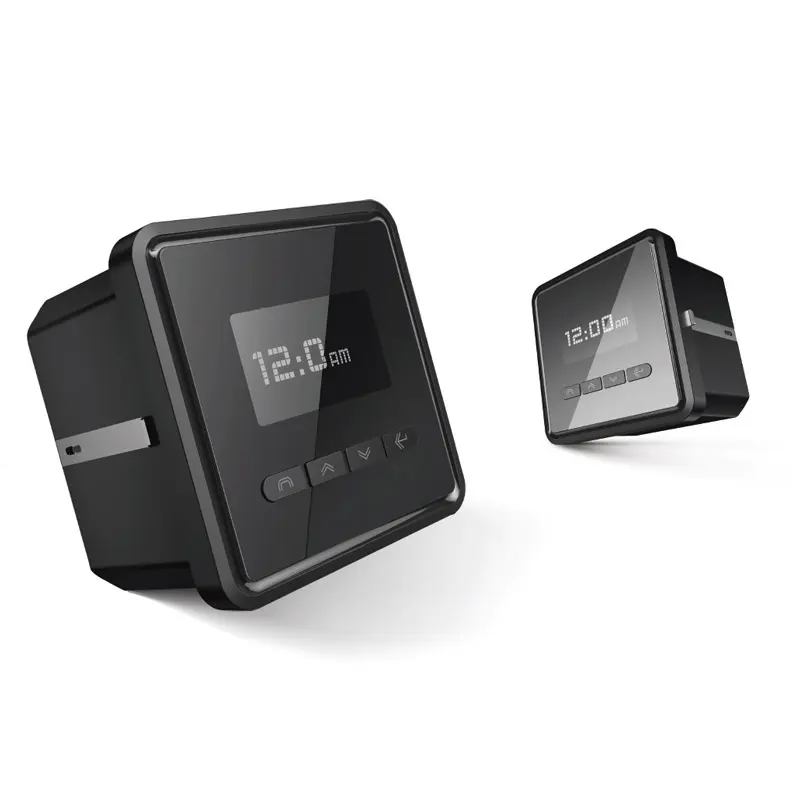
Imagine a device that not only follows commands but anticipates your needs, optimizes performance automatically, and simplifies complex operations. That’s the essence of an Intelligent Controller. Unlike traditional controllers that require constant manual input, an intelligent controller uses advanced algorithms, real-time data processing, and often machine learning to make smart decisions. It acts as the brain of a system whether for home automation, industrial machinery, or energy management seamlessly bridging the gap between user intent and efficient execution.
Key Advantages of Using an Intelligent Controller
◆Automated Efficiency
An Intelligent Controller continuously monitors conditions and adjusts settings to optimize performance. In a smart HVAC system, it learns usage patterns and regulates temperature to maximize comfort while minimizing energy waste.
◆Enhanced Precision & Consistency
By reducing human error, these controllers ensure tasks are performed with high accuracy. In applications like irrigation or manufacturing, this leads to better outcomes and resource savings.
◆Proactive Problem-Solving
Many intelligent controllers can detect anomalies and alert users before issues escalate. This predictive capability helps prevent downtime and extends equipment lifespan.
◆User-Friendly Integration
Designed with the user in mind, they often feature intuitive interfaces and remote access via mobile apps, making it easy to manage systems from anywhere.
Where Are Intelligent Controllers Commonly Used?
You might encounter this technology in various scenarios:
◆Smart Homes: Managing lighting, climate, security, and entertainment systems through a unified, adaptive platform.
◆Industrial Automation: Controlling machinery, production lines, and robotic systems to improve safety and productivity.
◆Energy Management: Balancing power consumption in commercial buildings or renewable energy setups like solar arrays.
◆Agriculture: Automating greenhouse environments or precision farming equipment based on soil and weather data.
What to Consider When Choosing an Intelligent Controller
If you’re evaluating options, focus on these points:
◆Compatibility: Ensure the controller integrates smoothly with your existing devices or systems.
◆Scalability: Can it accommodate future expansions or additional features?
◆Reliability & Support: Look for robust construction and accessible customer service.
◆Ease of Use: A well-designed interface reduces the learning curve and daily friction.
An Intelligent Controller is more than just a switch or a timer it’s an adaptive tool that brings efficiency, convenience, and smarter control to both everyday and specialized tasks. By understanding your specific needs and system requirements, you can leverage this technology to create a more responsive and automated environment. Whether for personal comfort or operational excellence, investing in the right controller can transform how you interact with the world around you.
Post time: Jan-21-2026