


Both commercial and industrial electrical systems need optimal power quality and efficiency. To ensure proper energy consumption and stable operation, a Reactive Power Controller is an important component of the system. This article analyzes reactive power controllers, explains what functions and benefits they provide, and outlines installation advice and troubleshooting techniques. Whether you are an engineer, facility manager, or a potential customer, this article will help you learn everything about reactive power controllers.
Understanding Reactive Power Controllers
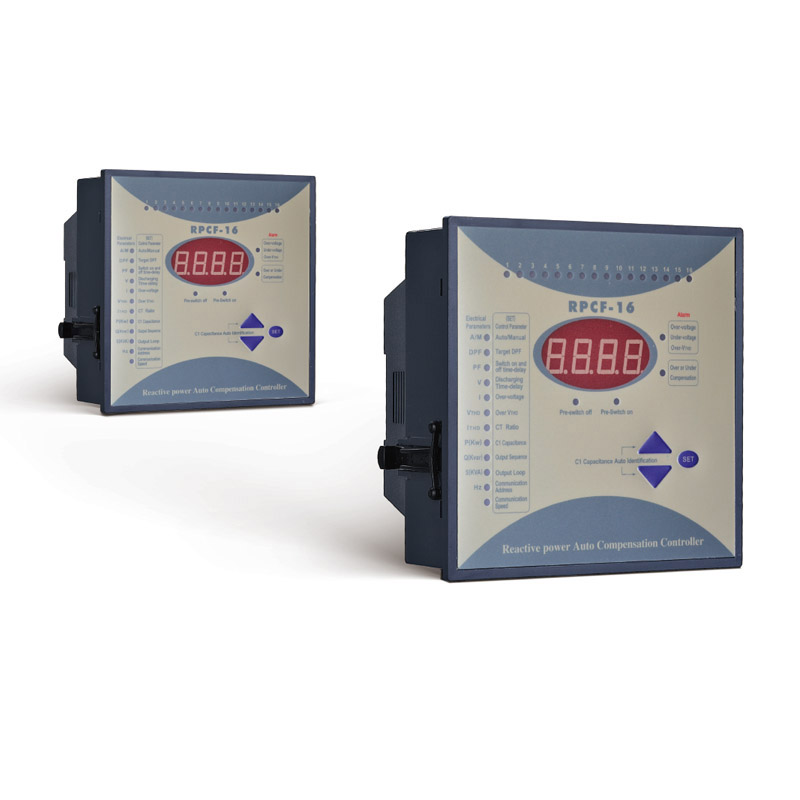
Reactive Power Controllers are designed to monitor and control reactive power, measured in kvar, in the electrical systems. Reactive power plays a critical role in the operation of AC motors and transformers but does not directly contribute to energy consumption. Controllers perform this function by automatically switching capacitor banks or reactors in order to keep the optimal power factor of the system, which improves its efficiency and decreases losses. Modern devices apply advanced algorithms and sensors to ensure accurate control over reactive power and are equipped with user-friendly interfaces for easier management of the appliances.
The Importance of Reactive Power Compensation
The need for reactive power compensation stems from the necessity to prevent inefficient functioning, excess heat generation, and increased costs associated with energy services. Devices such as static and dynamic reactive power controllers and other systems implemented for reactive power compensation are designed to reduce transmission losses and stabilize voltages. The achievement of balanced reactive power profile leads to better effectiveness of industries and enterprises that rely on heavy machinery operation.
Reactive Power Controller vs. Power Factor Controller
The difference between Reactive Power controllers and Power Factor controllers is shown in their functions. Power Factor controllers are dedicated to maintaining power factor in a certain range by means of switching capacitors according to actual measurement. On the other hand, Reactive Power controllers perform direct regulation of reactive power hence they are better for more complicated, changing loads and big installations. Your choice is influenced by levels of complexity and functionality of electrical systems.
Technical Features and Benefits
Automatic regulation, accurate measuring, and connection to SCADA and IoT systems are key advantages of reactive power controllers. Apart from eliminating unnecessary reactive power consumption, they help to save energy, support the maintenance of stable power factor, avoid penalties from utilities and increase the lifespan of the devices. In addition, integration and scalability are often the features of modern reactive power controllers, which allow for remote diagnostics and data analysis.
Installation and Wiring Tips
Proper installation begins with correctly assessing your electrical system and taking the required measurements. It is crucial to secure the wiring, properly position the current transformers and volt meters, and follow manufacturer specifications. Controllers should be installed in properly ventilated areas within electrical cabinets, free of disturbances. Proper commissioning tests and correct documentation will ensure that everything is working properly from then on.
Common Problems and Troubleshooting
Among common problems are faulty measurements, failure of the capacitor switch, errors in communication, and emergence of alarms. This usually happens due to poor connections, incorrect settings, or bugs in the program. Carrying through the standards with regard to maintenance, installation, and updates increases efficiency in repair work. Keeping records of repair acts speeds up troubleshooting.
Industry Applications
Reactive power controllers are utilized extensively in production facilities, commercial premises, renewable energy businesses, and utility organizations. They provide stabilization of voltage and reduction of losses which are essential in industrial applications with varying loads like large machinery, heating, ventilation and air-conditioning systems, or diffusion of renewable energy resources. They contribute to the reliability of the electrical grid and regulatory compliance with the requirements of modern energy management.
FAQs
Can a reactive power controller work without a capacitor bank?
No. It needs capacitors or reactors to switch and regulate reactive power.
What happens if the CT polarity is reversed?
Measurements become incorrect, causing wrong switching and possible overcompensation.
How often should a reactive power controller be calibrated?
Typically once a year, or after major system changes or persistent measurement errors.
Reactive power controllers are important devices used in contemporary electrical networks to save energy and improve efficiency. The technical capabilities of these devices allow to provide stability in voltage regulation despite complicated load conditions and ensure efficient operation of several industries. In the end, right choice of a reactive power controller and proper implementation of the installation and maintenance guidelines leads to better performance of this device.
Post time: Oct-21-2026