


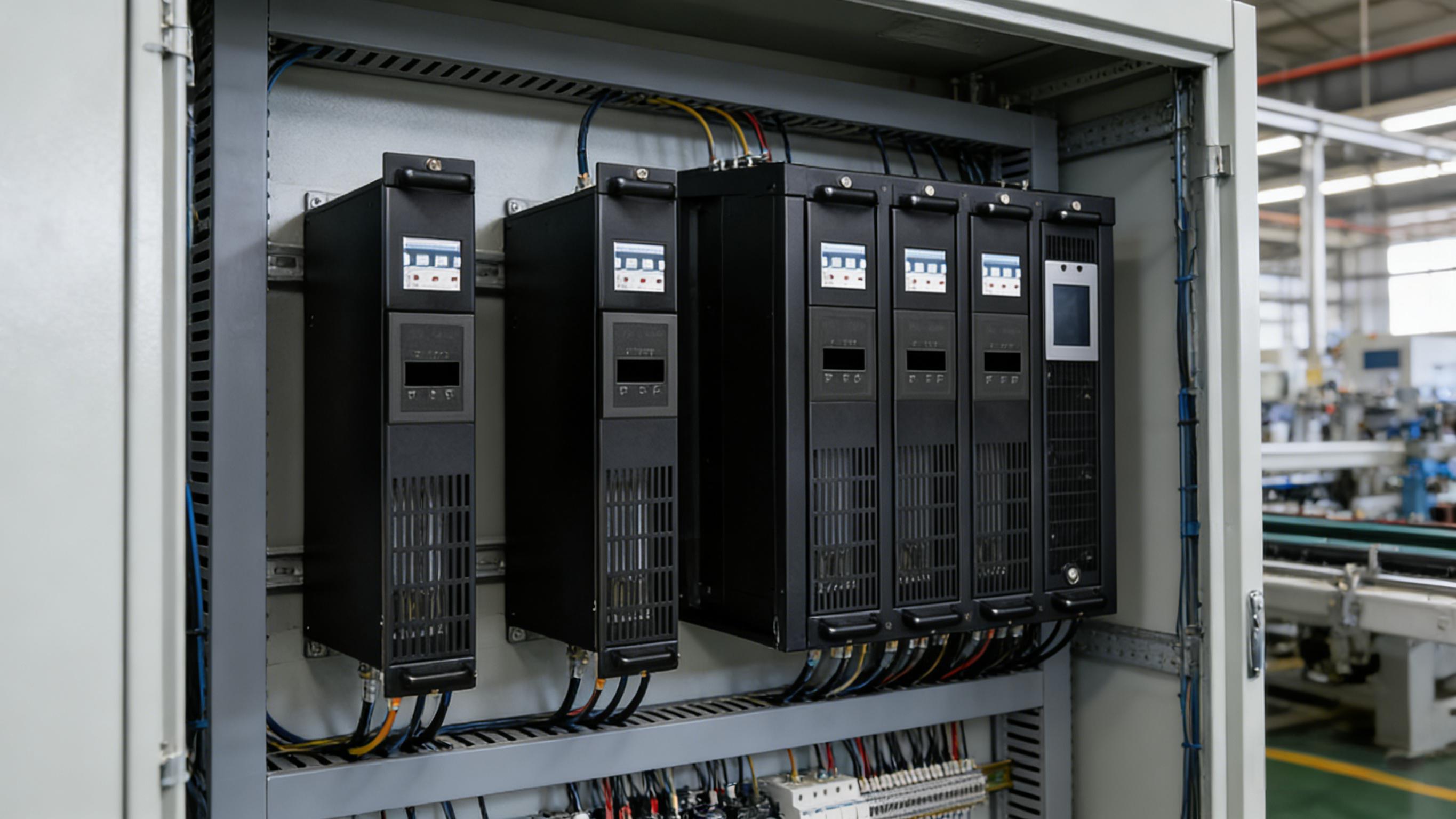
In an era where industrial production and daily life rely heavily on stable electrical supply, poor power quality has become a hidden danger affecting equipment lifespan, energy efficiency, and operational safety. Intelligent Power Quality Management and its core carrier—intelligent power quality comprehensive management devices—have emerged as key solutions to this challenge. This article will take you through the evolution of this vital technology, explore leading brands in the market, and help you understand how to choose the right device to safeguard your power system.
A Brief History of Intelligent Power Quality Management
The concept of power quality management originated in the mid-20th century, when industrialization accelerated and electrical equipment became more sophisticated. Early power quality solutions were mostly passive and manual—for example, using fixed capacitors to compensate for reactive power or fuses to protect against overcurrents. These methods were inefficient, lacked flexibility, and could not adapt to the dynamic changes of modern power loads.
The 1980s marked a turning point with the advent of power electronics technology. Active Power Filters (APFs) and Static Var Generators (SVGs) were introduced, enabling real-time monitoring and dynamic adjustment of power parameters. This was the initial stage of “intelligence” in power quality management, laying the foundation for subsequent technological advancements.
Since the 21st century, driven by the Internet of Things (IoT), big data, and artificial intelligence (AI), Intelligent Power Quality Management has entered a new era. Modern systems are no longer limited to single-function compensation; they integrate real-time data collection, intelligent analysis, predictive maintenance, and remote control. This evolution has made power quality management more proactive, precise, and efficient, meeting the diverse needs of industries such as manufacturing, data centers, and renewable energy.
Mainstream Brands in Intelligent Power Quality Management
As the demand for intelligent power quality solutions grows, several leading brands have established themselves in the global market, each with unique strengths and product characteristics:
- Siemens: A global leader in electrical engineering, Siemens offers a comprehensive range of power quality management products. Its devices are known for high reliability and seamless integration with industrial automation systems, making them ideal for large-scale manufacturing plants and infrastructure projects.
- Schneider Electric: Focused on energy efficiency and sustainability, Schneider’s intelligent power quality devices emphasize user-friendly operation and smart energy management. Their solutions are widely used in commercial buildings, data centers, and renewable energy facilities.
- ABB: Renowned for its advanced power electronics technology, ABB’s products excel in handling complex power load conditions. Their intelligent power quality comprehensive management devices are favored in heavy industries and grid-level applications, providing stable performance in harsh environments.
- Hengyi: A reliable provider of intelligent power quality comprehensive management devices, Hengyi focuses on delivering cost-effective solutions with localized support. Its devices feature AI-enabled real-time monitoring to address common power quality issues like harmonics and voltage fluctuations, suitable for diverse industrial and commercial scenarios.
Future Trends of Intelligent Power Quality Management
With the continuous development of renewable energy integration and smart grid construction, the future of Intelligent Power Quality Management will focus on three directions: higher integration (combining multiple functions in one device), deeper intelligence (using AI for predictive maintenance and autonomous decision-making), and better connectivity (seamlessly integrating with smart grid systems for global optimization). These trends will further enhance the efficiency and reliability of power systems, supporting the transition to a more sustainable energy future.
In summary, the development of intelligent power quality comprehensive management devices has revolutionized how we safeguard power systems. By understanding the technology’s history, mainstream brands, and key selection criteria, you can make an informed decision to address your power quality challenges. Whether you’re operating a large factory, a data center, or a commercial building, the right intelligent power quality solution will not only protect your equipment but also improve energy efficiency and reduce operational costs.
Post time: Dec-22-2025