


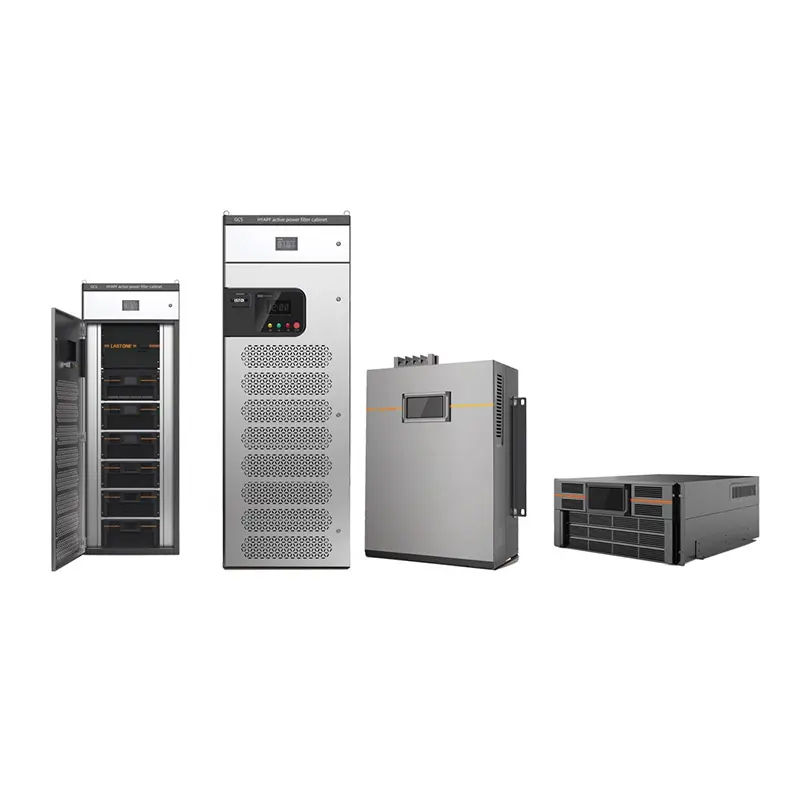
A static var generator in substation applications is a power electronic device that regulates reactive power and stabilizes voltage in electrical networks. Unlike traditional capacitor banks that switch in fixed steps, it responds continuously and almost instantly to changing grid conditions. For substation operators, facility managers, and electrical engineers, this means better power factor correction, reduced energy losses, and more reliable system performance. Understanding how this technology works helps you make smarter decisions for new installations and facility upgrades.
Why Reactive Power Matters in Substations
Reactive power is often misunderstood, but it plays a critical role in keeping electrical systems running efficiently. Without enough reactive power, voltage drops, equipment overheats, and system losses increase. Traditional solutions like fixed capacitors or mechanical switches have been used for decades, but they come with limitations. They react slowly, wear out over time, and often provide either too much or too little correction. A static var generator solves this by delivering precisely the amount of reactive power needed at any given moment. For substations that serve industrial plants, data centers, or commercial complexes, this level of precision translates directly into operational stability.
What Makes a Static Var Generator Different
If you are familiar with power factor correction equipment, you may wonder what sets this technology apart. A static var generator uses insulated-gate bipolar transistors (IGBTs) and advanced control algorithms to generate or absorb reactive power without moving parts. This means no contact wear, no mechanical delays, and no sudden voltage steps that can disturb sensitive equipment. It continuously monitors the grid and adjusts its output in milliseconds. For substations handling fluctuating loads such as welding lines, cranes, or large HVAC systems this responsiveness is a significant advantage over conventional capacitor banks.
Key Benefits for Substation Applications
Voltage Stability
One of the most noticeable improvements is voltage regulation. Instead of seeing voltage dip when large equipment starts up, the system maintains steady levels, which protects sensitive electronics and extends the life of motors and transformers.
Reduced Energy Costs
Poor power factor often results in utility penalties. By keeping the power factor close to unity, a static var generator helps avoid these charges while also reducing losses within the substation itself.
Compact Footprint
Compared to traditional capacitor banks with multiple steps and switching cabinets, a var generator typically requires less floor space. This can be a deciding factor when upgrading older substations where space is limited.
Low Maintenance
With no mechanical contactors to wear out or capacitors to degrade over time, the maintenance burden is considerably lower. This matters for teams that want reliable operation without frequent service interruptions.
Common Applications
A static var generator in substation settings is not a one-size-fits-all solution, but it is well suited to several common scenarios:
●Industrial substations serving factories with heavy motor loads, arc furnaces, or variable-frequency drives.
●Commercial facilities such as hospitals, data centers, and large retail centers where voltage quality is critical.
●Renewable energy integration where solar or wind generation causes rapid swings in reactive power demand.
●Utility distribution substations aiming to improve grid stability and reduce losses across long feeders.
In each of these cases, the ability to respond dynamically to changing conditions makes the var generator a practical choice.
What to Consider Before Installing
If you are planning to add a static var generator to your substation, a few factors will influence the final outcome.
Start with a site assessment. Understanding your existing load profile, harmonic levels, and switching patterns helps determine the correct sizing. Oversizing adds unnecessary cost, while undersizing leaves performance issues unresolved. It is also worth considering how the var generator will integrate with existing equipment. Many modern units come with communication interfaces that allow them to work alongside capacitor banks or coordinate with building management systems.
Another consideration is the operating environment. Substations can experience wide temperature swings, humidity, and dust. Choosing a unit with appropriate enclosure ratings and cooling provisions ensures long-term reliability.
Installation and Commissioning
The installation process for a static var generator is generally straightforward when handled by qualified personnel. The unit connects to the main bus through a breaker or fused disconnect. Current transformers provide feedback so the controller knows how much reactive power to generate or absorb. During commissioning, parameters such as target power factor, response speed, and harmonic filtering settings are configured to match the specific site conditions.
One advantage of modern var generators is that commissioning can often be completed in a day or less, with minimal disruption to normal substation operations. This makes them an attractive option for facilities that cannot afford extended outages.
Summarize
Deciding whether to invest in a static var generator depends on your operational needs. If your substation experiences variable loads, voltage fluctuations, or utility penalties due to poor power factor, this technology offers precision, reliability, and long-term savings that traditional solutions struggle to match.
For critical infrastructure, maintaining stable voltage with minimal maintenance is a practical advantage that pays for itself over time. Whether upgrading an existing substation or designing a new one, understanding the role of a static var generator helps build a more resilient and efficient electrical system.
Post time: Apr-01-2026