


Modern industrial facilities need stable, efficient power. Voltage fluctuations, low power factor, and rapidly changing loads can raise energy costs and cause trips. A static var generator (SVG) offers a fast, flexible solution to improve power quality and system reliability. For manufacturing plants, data centers, commercial buildings, and solar installations, an SVG stabilizes power and maximizes available capacity. This guide covers how the technology works and what to consider before purchase.
What Is a Static Var Generator?
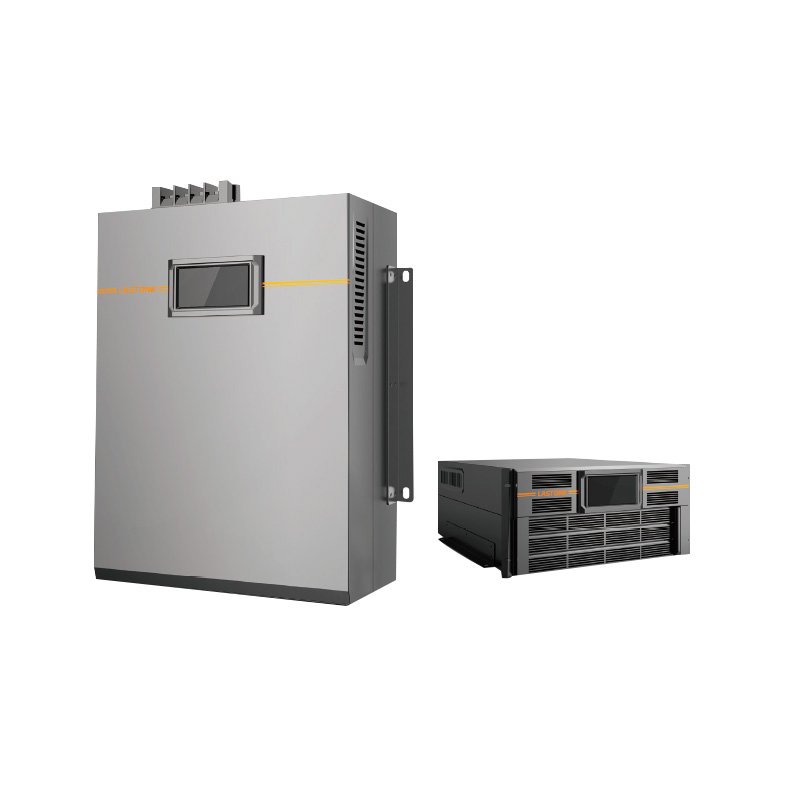
A static var generator (SVG), also called a STATCOM in low-voltage applications, is a power electronic device that dynamically controls reactive power by monitoring the load in real time and injecting or absorbing reactive current as needed. Unlike capacitor banks that switch fixed compensation steps, an SVG adjusts output continuously, making it ideal for rapidly changing loads such as welding machines, cranes, elevators, compressors, variable-frequency drives, and induction furnaces. In practice, an SVG matches the supplied current to the actual needs of connected equipment, compensates for inductive or capacitive reactive power, improves power factor, and reduces unnecessary current flowing through cables, transformers, and switchgear.
How Does an SVG Improve Power Quality?
A static var generator uses insulated-gate bipolar transistor technology and a control system that continuously measures voltage and current. Based on these measurements, it generates a compensating current with the appropriate phase angle and amplitude.
The main power quality improvements include:
● Power factor correction at the point of connection
● Reduction of reactive current and electrical losses
● Improved transformer and cable capacity utilization
● Lower risk of voltage fluctuations caused by changing loads
● More stable operation of sensitive electrical equipment
It is important to understand that a standard SVG primarily addresses reactive power and power factor. If a facility also experiences significant harmonic distortion, voltage imbalance, or flicker, the complete solution may require an active harmonic filter, passive filter, dynamic voltage restorer, or a combined power quality system.
Centralized or Distributed SVG Installation?
A centralized SVG is installed at the main switchboard or a major distribution panel. This arrangement is often cost-effective when multiple loads share the same bus and the facility needs overall power factor correction.
A distributed SVG is installed close to a particular machine or production line. This can be advantageous when one load creates most of the reactive demand or when long cable runs make local compensation more effective.
Some facilities use a hybrid approach: centralized compensation for the overall plant and smaller units near highly dynamic loads. The best arrangement depends on cable layout, load behavior, maintenance access, future expansion, and the required level of control.
Installation and Commissioning Best Practices
An SVG should be installed by qualified electrical personnel who understand the site’s short-circuit level, grounding arrangement, protection coordination, and power quality characteristics. The installation should follow the manufacturer’s clearances and ventilation requirements.
The connection point must be selected carefully. Installing the unit too far from the load may reduce the local benefit, while installing it on an unsuitable bus can create coordination or protection issues. Current transformers must also be positioned and oriented correctly. Incorrect CT wiring can cause inaccurate compensation or unstable control.
During commissioning, the installer should verify phase sequence, voltage, frequency, CT polarity, communication settings, alarm functions, and compensation direction. The system should then be tested under several operating conditions, including minimum load, normal production, and peak demand.
Frequently Asked Questions
What Is a Static Var Generator?
A static var generator is a power electronic device that dynamically supplies or absorbs reactive current to improve power factor and support electrical system stability. It is also commonly known as an SVG or low-voltage STATCOM.
What Is the Difference Between an SVG and a Capacitor Bank?
A capacitor bank supplies reactive power in fixed or switched steps, while an SVG adjusts compensation continuously based on the load. SVG is better for rapidly changing loads, frequent start-stop cycles, and applications where overcompensation or harmonic resonance is a concern.
How Quickly Does an SVG Respond?
Response time varies by product and operating condition, but power electronic SVG systems are designed to respond far faster than mechanically switched capacitor stages. This makes them suitable for dynamic loads that change within short production cycles.
An SVG is a flexible power quality solution for systems requiring accurate, fast, and continuous reactive power control. From a 100 kvar unit for a medium-sized feeder to a modular system for a large industrial plant, the right solution improves power factor, reduces unnecessary current, and strengthens distribution network performance. A professional assessment is the first step to selecting the correct capacity, installation method, and technology combination for your facility.
Post time: Sep-09-2026