


Power quality cabinets provide a solution to many potential problems caused by poor power quality from AC power systems, and are designed to respond the way you need them to, by creating a stable and reliable source of electricity.
The Three Types of Power Quality Cabinets: Active, Hybrid, and Passive
The three types of power quality cabinets are differentiated based on how they mitigate power quality problems:
Active Power Quality Cabinets
Active power quality cabinets utilize advanced electronic technology to provide active monitoring and correction of electrical disturbances. They are well suited to quickly and accurately resolve issues such as harmonic distortions, voltage sags, flickers, and unbalanced loads. Important features of an active cabinet are:
- Real-time response: The ability to provide instantaneous correction to fast-changing power quality problems.
- High precision: The ability to mitigate both harmonic distortion and voltage fluctuations with very high accuracy.
- Adaptability: Able to be scaled to meet the specific needs of your electrical distribution system.
These cabinets are most commonly found in locations that utilize sensitive equipment, such as manufacturing plants, data centers, and hospitals.
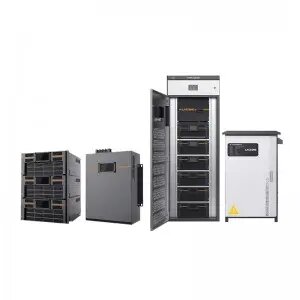
Hybrid Power Quality Cabinets
Hybrid power quality cabinets are a combination of both active and passive solutions. Hybrid cabinets utilize power electronics as well as passive components (i.e. resistors and capacitors) to provide solutions for both dynamic and static power quality problems. Key attributes include:
- Cost Effective: Cheaper than completely active solutions and have fewer requirements.
- Wide Application: Can be used to adjust multiple types of power disturbances at once.
- Energy Savings: Less energy consumed than only using active solutions.
This type of cabinet is perfect for businesses in the medium range looking for a low-cost and flexible solution while providing a good level of performance.
Passive Power Quality Cabinets
Passive power quality cabinets mainly use static elements like filters and inductors to control power quality. They work well when controlling harmonic distortion and improving power factor, but do not possess the dynamic capabilities of active or hybrid solutions. Their features include:
- Simple Design: An uncomplicated and straightforward design with very few moving parts.
- Low Upkeep: These devices are dependable and require low maintenance.
- Low Cost: Generally, they are the least expensive option of power quality cabinets.
Passive solutions are best applied to applications with predictable and stable power quality issues like small shops and some home applications, or anything that would not cause major harm to your electrical system.
Which Type Of Power Quality Cabinet Should I Select?
There are many things that guide your decision of which power quality cabinet is right for you. Some examples of what you will consider when choosing include what type of power disturbance you need to fix, your budget, and how complex your electrical system is.
- Active: Best for businesses that are needing accurate instantaneous corrections and the ability to adapt quickly to changing power problems.
- Hybrid: Best for medium-sized businesses that are looking for a balance between cost and functionality.
- Passive: Best for smaller businesses where stability is more important than the ability to adapt.
If you do not know what your specific needs are, you may wish to speak with a power quality professional or conduct a full-scale power analysis in order to make the most informed decision possible.
What is the Benefit of Purchasing Power Quality Cabinets?
Power quality cabinets are fundamental to achieving operational efficiency, increasing the life of your equipment, and minimizing equipment downtime. These cabinets reduce or eliminate power disturbances, resulting in lower costs in the future and improved reliability of your systems. Investing in power quality cabinets will protect your infrastructure from unanticipated electrical events, regardless of whether you choose power quality devices that are active, hybrid, or passive.
FAQ
1. Will active power quality cabinets address all power disturbances?
Active power quality cabinets will address the majority of dynamic disturbances including harmonics, voltage sag, and transient disturbances; however, they are best suited for applications where instantaneous correction of power quality disturbances is needed. You may find that a hybrid or passive solution may provide more cost-effective solutions for static disturbances.
2. Will hybrid power quality cabinets be able to accommodate large scale industries?
Hybrid power quality cabinets can accommodate almost any size industry, however active power quality solutions may be more effective for large scale industries that need an extremely accurate and scalable power quality solution.
3. How do passive power quality cabinets compare to active cabinets relating to energy efficiency?
Passive cabinets are naturally energy-efficient due to the lack of active electronics. However, they only work for certain types of disturbances and do not function as effectively with dynamic electrical systems.
4. How often should I be servicing my power quality cabinet?
Active and hybrid cabinets require regular service because of their complexity of electronics; however, passive cabinets generally do not require regular service but should have an annual inspection to ensure they are functioning at peak performance levels.
The decision of which type of power quality cabinet to purchase—active, hybrid, or passive—will be driven by your operating requirements and also by your budget. Purchase an active solution if you need a high level of performance; buy a hybrid solution if you are looking at a good mix of price and performance; or buy a passive solution if you are looking for an affordable and reliable solution for operating a simple operation. Consult with a power quality professional to get specific assistance for your situation, and provide the best solution you can find. Choosing the right power quality cabinet will provide you with the opportunity to have smoother operations, lower costs in the future, and electrical stability.
Post time: Mar-24-2026