


In the modern world of advanced technology and energy efficiency, it has become more important than ever to use a Power Controller. This device helps not only optimize power consumption but also improve the quality of the system’s performance. In this article, we will explore what advantages, functions, and performance characteristics of power controllers are as well as answer some frequently asked questions about these devices to be helpful for those interested in buying one.
What Is a Power Controller?
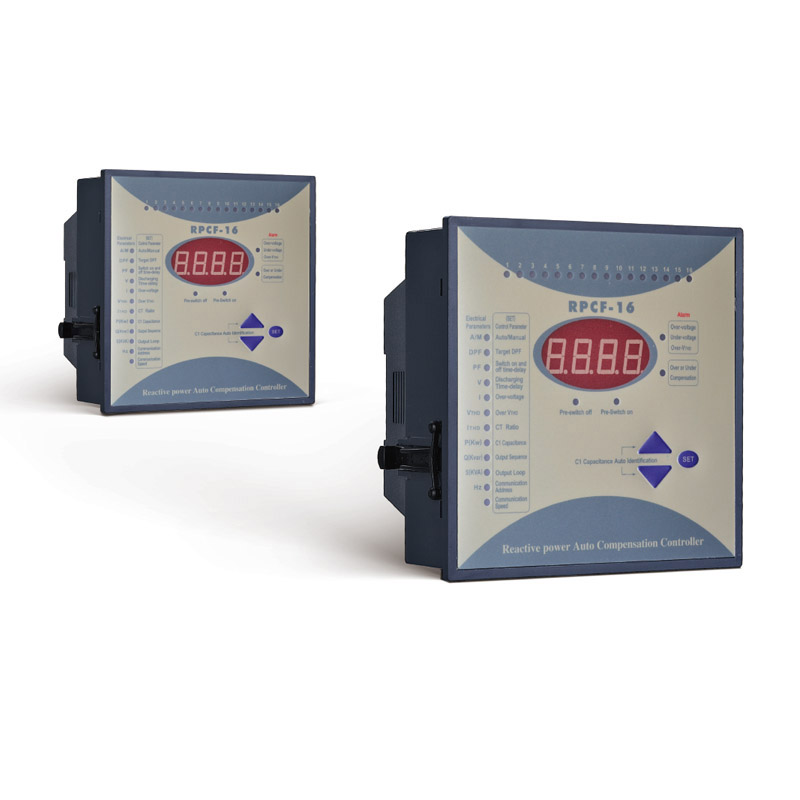
The Power Controller is an equipment that is meant for the distribution of electricity to facilities and systems. Power controller is achieved efficiently and thus leads to energy efficiency. Some kinds of power controllers are 12V power controllers, AC power controllers, and power factor controllers that are employed in commercial as well as domestic use.
Advantages of Using a Power Controller
The benefits of integrating a Power Controller into your power management system are numerous:
1. Energy Efficiency: These controllers control energy use and reduce unnecessary energy use, which results in significant savings in power expenses.
2. Improved Equipment Lifespan: Constant power control reduces stress on electric parts, enhancing their durability and reducing the frequency of replacements.
3. Enhanced Performance: Power control devices assure that devices function optimally, meaning they do not stop working or have unsustainable power spikes.
4. Environmental Impact: Power controllers help reduce energy waste and lower carbon emissions, thus making these devices a viable choice for environmentally conscious consumers.
Key Functions of Power Controllers
Power controllers are equipped with various functions tailored to meet different operational needs:
1. Voltage Regulation: They provide a constant output voltage under varying input conditions, so the devices connected to them receive a stable power supply.
2. Load Management: Power controllers check and manage the load in order to avoid overloads and ensure the safety of the controller as well as the equipment connected.
3. Fault Detection: Sophisticated systems are outfitted with fault detection capabilities, allowing them to alert users of any deviations or upcoming threats.
4. User Settings: Several devices enable users to adjust configurations as per their needs, thereby improving functionality and effectiveness.
How to Select the Right Power Controller
Power Controller for your needs involves considering several factors:
1. Application Type: Identify the purpose of the power controller. For example, in the case of a 12V system, a power controller designed for 12V system must be applied.
2. Power Rating: Evaluate the total power requirements of your devices to find a suitable controller capable of managing the highest load efficiently.
3. Features: Think about the extra characteristics your application may need, including remote monitoring, advanced load monitoring, and fault detection.
4. Compatibility: Make sure that controller functions properly with your previous systems and supports future growth.
Frequently Asked Questions
What is a Power Factor Controller? The main objective of a power factor controller is to improve the performance of power systems by making use of appropriate power factor and cutting down the reactive power to decrease the energy expenses.
What are the signs that I need a Power Controller? You should consider purchasing a power controller if you experience constant fluctuations in electricity, increased costs on the electricity bill, or malfunctioning of your machinery.
Conclusion
To sum up, the use of Power Controllers leads to notable gains in energy efficiency, lifespan, and functionality. By knowing the essential roles and advantages of these equipment, you will be able to make a good choice for your case. All clues discussed above should be considered when choosing the most suitable controller for your equipment.
Post time: Jul-24-2026