


The correct sizing of a Power Capacitor is crucial for ensuring energy efficiency, reliability, and cost savings in electrical systems. Whether you’re designing a new installation or upgrading an existing one, understanding the essentials of power capacitor sizing can make a significant difference in performance and lifetime costs. This guide covers the key factors involved and addresses common questions buyers and engineers have about getting capacitor sizing right.
Why Power Capacitor Sizing Matters
Power capacitors are used to improve power factor, reduce reactive power charges, and enhance the stability of electrical networks. If a capacitor is undersized, it will not provide enough compensation for your system’s needs. Oversized capacitors, however, may cause over-correction, leading to voltage instability or equipment damage. Correct power capacitor sizing ensures your facility operates efficiently and remains compliant with utility regulations, helping avoid penalties or unnecessary operational issues.
Key Factors That Affect Capacitor Sizing
The selection of a power capacitor hinges on multiple variables:
● Load Profile: Start by measuring the actual electrical load and its variations. Facilities with large, fluctuating loads require different solutions from those with steady demand.
● Existing and Target Power Factor: Measure your current power factor and identify the target (typically above 0.95 for most installations). The difference determines how much capacitance is required.
● Voltage Rating: The capacitor must match your system’s voltage to ensure safe operation and optimal performance.
● Presence of Harmonics: Nonlinear loads create harmonics, which can interact undesirably with capacitors. Harmonic analysis is essential, especially in facilities using variable speed drives or modern lighting.
● Environmental Considerations: High temperatures, humidity, or dust impact capacitor life. Use robust designs or enclosures if your environment is harsh.
Common Sizing Mistakes to Avoid
Mistakes in capacitor sizing are surprisingly frequent. These are the major pitfalls:
● Failing to consider varying loads—using the same size all year round can result in inefficiency if demand changes significantly.
● Ignoring harmonics—without harmonic analysis, capacitors may suffer premature failure if exposed to high distortion.
● Overcompensating—excess capacitance can push the power factor leading, which is just as undesirable as a lagging system.
● Neglecting voltage fluctuations—using a capacitor with improper voltage rating risks performance and asset damage.
Choosing Between Types of Power Capacitors
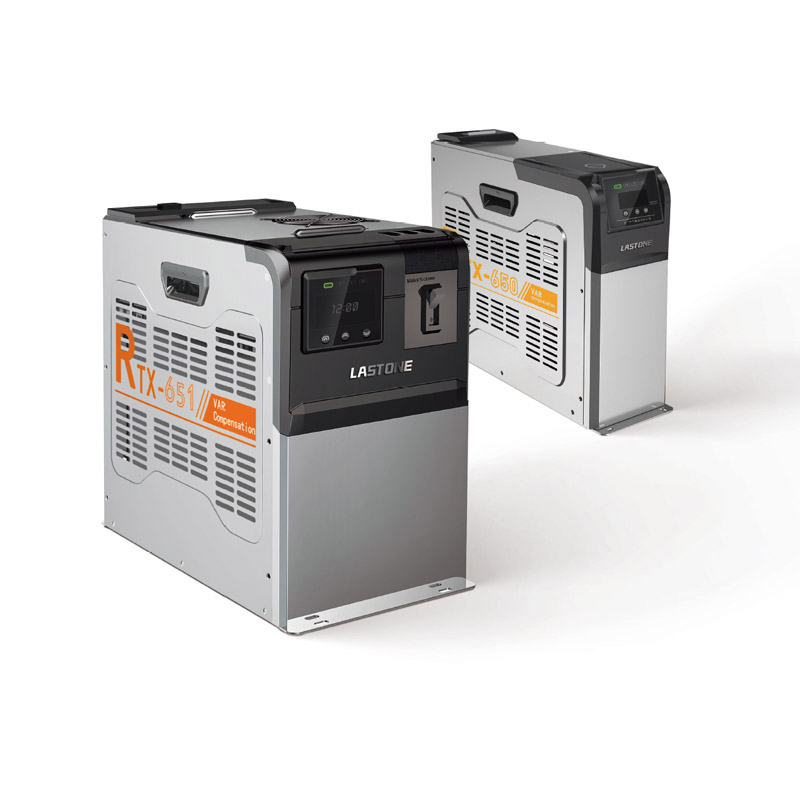
Solutions range from individual high power capacitors for dedicated equipment, to automatic power capacitor banks for whole-facility compensation. Digital power capacitors with monitoring and real-time control are ideal for dynamic environments. For standard, steady applications, traditional high power capacitors may be sufficient—and more cost-effective.
Installation and Best Practices
A correctly sized capacitor must also be installed properly to work as intended. Select cool, dry, and ventilated locations, ensuring the product is not exposed to heat sources or vibration. Automatic controllers are recommended for systems with varying loads. Do regular checks for signs of wear, loose connections, or overheating. Proper installation and maintenance extend the service life and maintain the benefits of your power capacitor.
FAQs About Power Capacitor Sizing
What factors should I consider during sizing?
Load profile, current and target power factor, system voltage, harmonic presence, and environmental challenges.
What’s the main error in capacitor sizing?
Ignoring system harmonics, or not adapting for fluctuating demands, commonly leads to failure or inefficiency.
Are digital power capacitors worth the investment?
They are ideal for systems with highly variable loads, offering maximum efficiency and automated adjustment.
Do harmonics really affect capacitor life?
Yes. Harmonic currents stress capacitors and can quickly shorten their operational lifespan.
Achieving correct power capacitor sizing demands careful analysis of load profiles, power factor goals, operating voltage, and harmonic environment. Avoiding errors, selecting the right technology, and adhering to good installation practices will ensure your capacitor investment delivers on efficiency, reliability, and long-term operational benefits. Seek expert advice when in doubt, and always choose quality products from reputable suppliers.
Post time: Oct-09-2026