


In a constantly shifting electrical terrain, the urgency for effective energy management systems is unprecedented. A crucial element growing in popularity across sectors is the Low Tension Capacitor Bank. What are these capacitor banks, though, and how do they promote dependability in low voltage systems? This article offers comprehensive insights into their operation.
What Is a Low Tension Capacitor Bank?
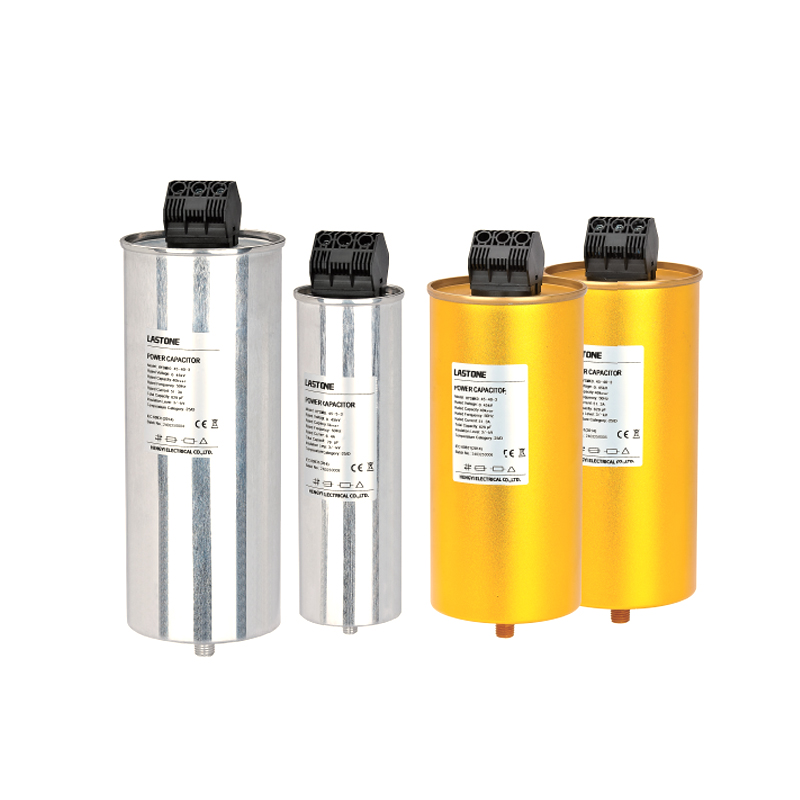
A low-tension capacitor bank refers to the network of capacitors connected together to perform reactive power compensation in electrical systems running at low voltages (generally, a voltage limit below 1,000 volts). These types of banks are quite important to enhance the power factor, stabilize the voltage, and improve the performance of the system as a whole. The use of these components allows for not just monetary savings due to reduced energy consumption, but also improvement in the duration of total use of electrical equipment.
Types of Low Tension Capacitor Banks
Low voltage capacitor banks can be categorized in several types depending on their mode of connection and functioning characteristics. The main types are:
1. Fixed Capacitor Banks: These consist of a fixed capacitance value and always remain connected to the circuit so as to provide continuous reactive power.
2. Automatic Capacitor Banks: These banks are fitted with automatic control systems that allow them to steer the needed amount of capacitance depending on the current requirements.
3. Step-Controlled Capacitor Banks: This method uses a logic of staged operation of switching capacitor banks in gradual steps to regulate the load without disrupting performance.
Automatic Step Control and Staging Logic
Automatic control improves the efficiency and dependability of Low Tension Capacitor Banks. These systems can check voltage and respond instantly to load changes with the help of intelligent staging control. For example, if the reactive power demand goes up, the device will engage extra capacitors automatically to keep desired levels, thereby eliminating the risk of voltage drops and failures. Not only does it lead to enhanced energy efficiency, but it also strengthens the entire power distribution system because of the implementation of automatic step control.
Common Applications of LT Capacitor Banks
The versatility and effectiveness of low tension capacitor banks make them suitable for utilization in different industries. Examples of usage are:
1. Industrial Settings: These banks are often employed in factories and processing plants for managing the reactive power cost and ensuring efficient operations of different machines.
2. Commercial Buildings: In order to lessen costs associated with low power factors, major commercial centers as well as office buildings utilize capacitors with low capacitance ratings in their electrical installation designs.
3. Renewable Energy Systems: Capacitor banks are important pieces of equipment for ensuring steady voltage levels in various wind farms and installation using solar energy since more companies are choosing renewable energy sources.
Benefits and Considerations
Investing in low tension capacitor banks brings numerous benefits, such as:
- Reduced energy costs through improved power factors.
- Enhanced equipment lifespan due to decreased stress on electrical systems.
- Increased reliability in power delivery and reduced risk of outages.
Nevertheless, purchasers need to take into account elements like system capacity, installation expenses, as well as constant upkeep duties. Detailed evaluation of the energy requirements will guarantee the right capacitor banks configuration is chosen.
Frequently Asked Questions
What is the primary function of a low tension capacitor bank?
The main role is to provide reactive power assistance, enhancing the system’s quality of power and overall stability.
Can capacitor banks help in renewable energy applications?
Certainly, they play a significant role in controlling voltage signals and reactive power in renewable energy systems, making them more reliable.
Are automatic capacitor banks worth the investment?
Without a doubt, particularly in situations where loads vary, because they provide freedom and prospects for energy savings.
Ultimately, Low Tension Capacitor Banks are necessary components for optimizing electrical systems in modern-day industries. Their self-operating and dependable characteristics guarantee that energy distribution remains consistent while conserving energy use. Being aware of the various kinds of Low Tension Capacitors and how they work plays a major role in how businesses operate effectively.
Post time: Aug-12-2026