


Power quality issues—from voltage fluctuations to harmonic distortions—can disrupt industrial operations, damage equipment, and inflate energy costs. The Intelligent power quality comprehensive management module emerges as a game-changer, offering smart, targeted solutions to these pervasive problems. This article delves into what every buyer needs to know about this critical device: its development journey, top brands, and how it addresses real-world power quality challenges.
For businesses and facility managers, understanding power quality management tools is essential to maintaining operational efficiency. The intelligent power quality comprehensive management module stands out for its ability to monitor, analyze, and mitigate power quality issues in real time—eliminating the guesswork that often comes with traditional, passive solutions. Below, we break down key insights to help you make informed purchasing decisions.
What is an Intelligent Power Quality Comprehensive Management Module?
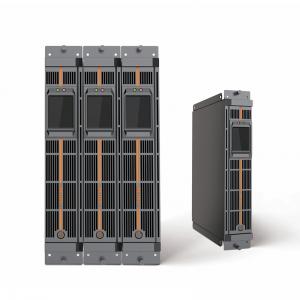
At its core, an intelligent power quality comprehensive management module is an advanced electronic device designed to detect, assess, and correct anomalies in electrical power systems. Unlike basic power quality monitors that only collect data, this module takes proactive action: it suppresses harmonics, stabilizes voltage, balances three-phase power, and prevents voltage sags or surges. Its “intelligent” edge lies in AI-driven analysis and automated response, which adapt to changing load conditions without manual intervention—making it ideal for industries, data centers, commercial buildings, and renewable energy installations.
Development History of Intelligent Power Quality Comprehensive Management Modules
The evolution of these modules is closely tied to the growing complexity of power systems and the rising demand for reliable power quality.
Early Stages (1990s-2000s): The first power quality management devices were passive components like surge protectors and harmonic filters. They were fixed, one-dimensional solutions that could only address specific issues (e.g., only surges or only harmonics) and required manual adjustment. As industrial automation and electronic equipment became more prevalent, these passive tools struggled to keep up with diverse power quality problems.
Transition to Intelligence (2010s): Advances in sensor technology, microprocessors, and IoT connectivity paved the way for the first intelligent modules. These devices could monitor multiple power parameters (voltage, current, frequency, harmonics) and transmit data to a central system. However, their corrective actions were still limited, and integration with smart grids was in its infancy.
Modern Era (2020s-Present): Today’s intelligent power quality comprehensive management modules are fully integrated, AI-powered systems. They leverage real-time data analytics to predict potential power quality issues before they occur, adjust settings automatically, and integrate seamlessly with renewable energy sources (solar, wind) and smart building management systems. The focus has shifted from “correcting” issues to “optimizing” power quality, reducing energy waste and extending equipment lifespan.
Key Considerations for Buying an Intelligent Power Quality Comprehensive Management Module
To ensure you select the right module for your needs, keep these factors in mind:
- Power Capacity: Choose a module that matches your system’s voltage and current requirements. Oversized or undersized modules will not perform efficiently.
- Problem-Solving Capabilities: Identify your primary power quality issues (e.g., harmonics, voltage sags) and confirm the module can address them. Look for features like harmonic suppression (up to 50th harmonic), voltage regulation, and three-phase balancing.
- Intelligence Features: Opt for modules with real-time monitoring, data analytics, and remote control (via cloud or mobile apps). These features make it easier to manage power quality and predict maintenance needs.
- Compatibility: Ensure the module integrates with your existing systems (e.g., smart grids, building management systems, renewable energy inverters).
- Brand Reliability & Support: Select a brand with a proven track record and comprehensive after-sales support. Warranties, technical assistance, and spare parts availability are critical for long-term performance.
Conclusion
The Intelligent power quality comprehensive management module has become an indispensable tool for businesses looking to optimize power quality, reduce costs, and protect equipment. From its passive origins to today’s AI-powered systems, this technology has evolved to meet the growing demands of modern power systems. By understanding the development history, mainstream brands (including reliable options like Hengyi), and key purchasing considerations, you can make an informed decision that addresses your specificpower quality challenges. Whether you’re managing a large industrial plant or a small commercial facility, the right intelligent power quality module is an investment in operational reliability and energy efficiency.
Post time: Dec-24-2025