


If you manage industrial equipment pumps, fans, compressors, or HVAC systems you know the limits of traditional controls. They start and stop and maintain setpoints, but they don‘t tell you much beyond that. An intelligent controller changes this. It combines processing power, communication, and adaptive logic to monitor performance, provide diagnostic data, and help optimize operations. This guide explains what an intelligent controller does, where it adds value, and how to choose the right one.
What Is an Intelligent Controller?
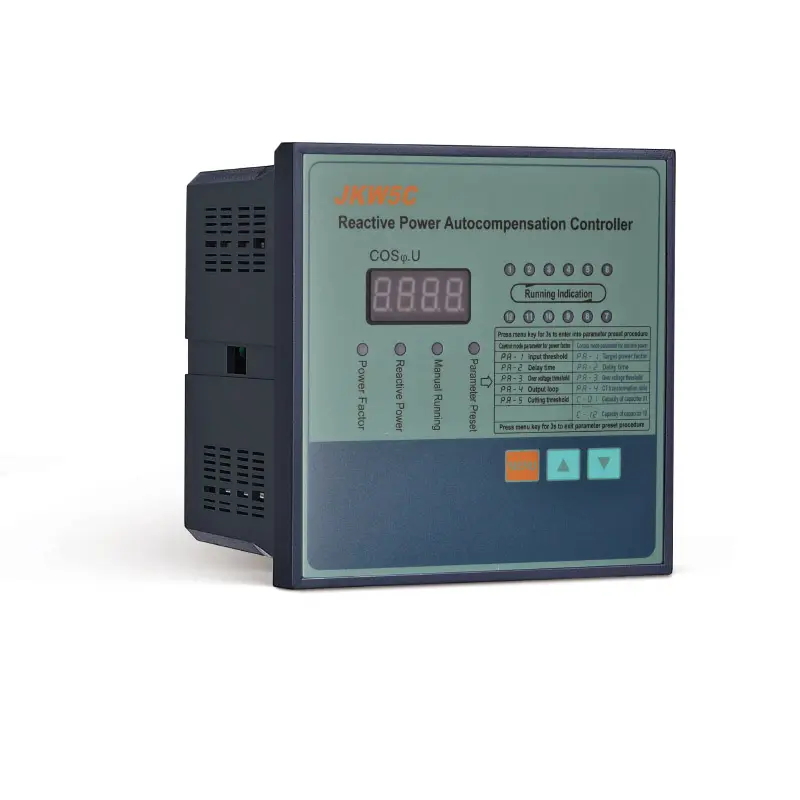
At its core, an intelligent controller is a microprocessor-based device that goes beyond simple on/off or fixed-setpoint operation. Unlike conventional controllers that follow static instructions, it processes multiple inputs, runs complex algorithms, communicates with other systems, and adjusts behavior in real time essentially a small computer built for industrial or commercial control tasks. These controllers are commonly used in motor control, lighting, HVAC, and process automation, and can operate standalone or integrate into larger networks such as building management systems or industrial control platforms.
Key Features That Set Intelligent Controllers Apart
Understanding what makes an intelligent controller different helps you evaluate whether it fits your needs. Here are the core features:
Programmability
Intelligent controllers can be configured and reconfigured through software. When operational needs change, you update the logic without replacing hardware a valuable feature in facilities where processes evolve over time.
Communication Capabilities
Most intelligent controllers support standard protocols like Modbus, BACnet, Ethernet/IP, or Profibus. This allows them to share data with central systems, enabling remote access, centralized alarming, and integration with other equipment.
Data Logging and Diagnostics
An intelligent controller records operational data such as run times, start counts, current draw, and fault history. This helps identify trends, schedule proactive maintenance, and troubleshoot issues faster.
Adaptive Control
Some intelligent controllers adjust behavior based on changing conditions. For instance, a pump controller may vary speed to maintain constant pressure, or a lighting controller may adjust output based on ambient light.
Where Intelligent Controllers Add the Most Value
An intelligent controller isn‘t necessary for every application, but in certain environments, the benefits are substantial.
Continuous Operation Systems
For equipment that runs 24/7 such as pumps in water treatment, fans in industrial ventilation, or compressors in manufacturing intelligent control optimizes efficiency and provides early warning of performance issues.
Remote or Unmanned Sites
When equipment is located at a remote well site, telecom shelter, or outbuilding, remote monitoring and adjustment are invaluable. An intelligent controller with communication capabilities reduces site visits and enables faster response to issues.
Energy-Sensitive Applications
Facilities focused on energy efficiency benefit from intelligent controllers that track consumption and adjust operation to minimize waste. The data they provide supports continuous improvement efforts.
Critical Infrastructure
In hospitals, data centers, or production lines where uptime is essential, intelligent controllers add reliability through predictive diagnostics and seamless integration with backup systems.
Benefits Beyond Basic Control
Choosing an intelligent controller over a conventional alternative brings several practical advantages:
●Reduced downtime: Early fault detection means you address issues before they become failures.
●Lower energy costs: Optimized operation reduces unnecessary run time and inefficient cycling.
●Simplified maintenance: Data logs help you schedule service based on actual usage rather than arbitrary intervals.
●Better decision-making: Access to real-time and historical data supports informed choices about equipment upgrades or process changes.
●Scalability: Intelligent controllers can often be integrated into larger control networks as your facility grows.
What to Consider When Selecting an Intelligent Controller
If you‘re evaluating an intelligent controller for your application, start with these questions:
What do you need to control?
Motor loads, lighting, temperature, or process variables? Each application may require different input/output configurations and specific control algorithms.
What level of data visibility do you need?
Basic controllers may offer simple status indicators, while more advanced models provide detailed trending, alarm history, and remote access via web interface.
What is the operating environment?
Consider temperature range, moisture, dust, and whether the controller needs to be mounted in a hazardous location. Enclosure ratings matter.
Installation and Setup Considerations
Intelligent controllers take longer to set up than conventional ones, but this upfront investment pays off in operational benefits. Proper configuration of communication parameters, setpoints, and alarm thresholds is essential. If your team is unfamiliar with the platform, plan for training or choose suppliers that offer commissioning support.
Once configured, these controllers are typically easier to operate day-to-day. Many feature intuitive interfaces either on-device displays or web-based dashboards that make monitoring straightforward.
Common Questions Buyers Ask
Are intelligent controllers difficult to use?
For everyday operation, they‘re often simpler because they provide clear status information. Configuration requires some technical knowledge, but many manufacturers offer guided setup tools.
Do intelligent controllers cost more?
Yes, the initial purchase price is typically higher than conventional controllers. However, the total cost of ownership often balances out through energy savings, reduced maintenance, and fewer service calls.
Can I replace a conventional controller with an intelligent one?
In most cases, yes, but you‘ll need to verify wiring compatibility, mounting dimensions, and whether the intelligent controller supports your specific equipment type.
Summarize
An intelligent controller is more than a replacement for conventional controls it’s a tool that transforms equipment management. By combining programmability, communication, and built-in diagnostics, it delivers visibility and control beyond what traditional devices can offer. Though upfront costs are higher, long-term benefits such as reduced downtime, lower energy use, and smarter maintenance make it a compelling choice where reliability and efficiency matter. Understanding these capabilities helps you make decisions that support your operational goals.
Post time: Apr-10-2026