


In the modern world of industry, the optimal use of systems and machines is very important. The Automatic Power Controller serves as an essential means of ensuring the optimal use of power (via its active monitoring) and the protection of your machines against electrical failures. The goal of this article is to provide an overview of the Industrial Automatic Power Controller, how it works, and answer some of the most frequently asked questions concerning its installation and operation.
What Is an Industrial Automatic Power Controller?
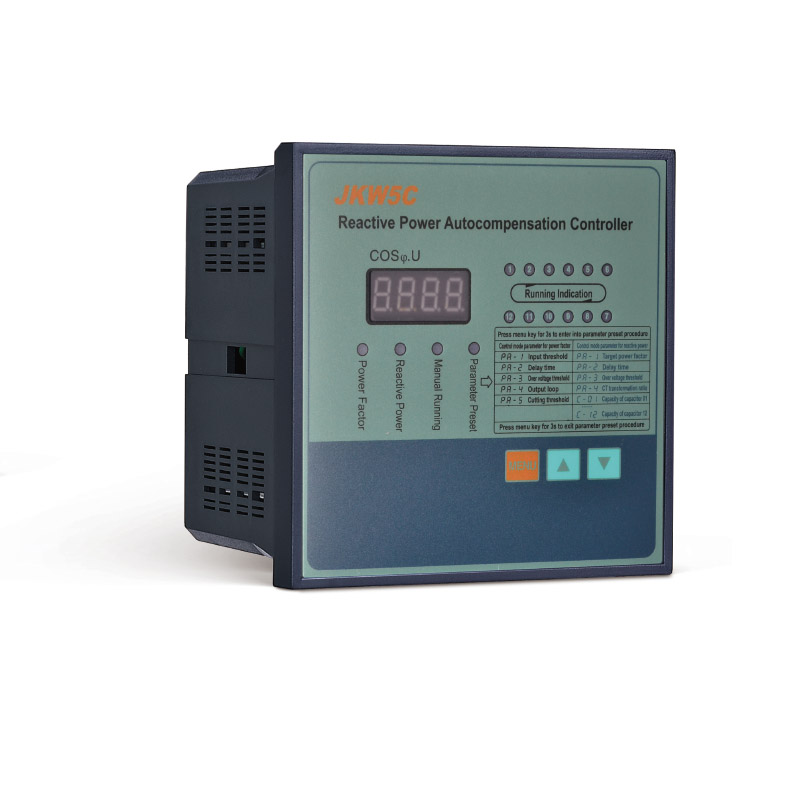
The purpose of Industrial Automatic Power Controllers (PAs) is to track and control the electrical power that is delivered to machines and equipment. They do this by collecting and analyzing the electrical supply, including power factor, voltage, and current, continuously as part of the normal operations of an industrial facility. Because they can dynamically adjust the amount of power supplied to equipment, these devices also help the machine or equipment remain within its normal operating range and help extend its lifespan while improving overall operational efficiency.
How Does an Automatic Power Controller Work?
Automatic Power Controllers utilize complex algorithms that constantly evaluate the input power in order to monitor for variations to the power supply. When they detect any abnormal power condition such as over/under voltage or sudden increases in current, they will immediately reduce or completely disconnect the supply of power to the affected machine(s). In the case of industrial applications, the controller can be linked to an Automatic Power Factor Controller Panel (APFCP) for optimizing reactive power levels, which improves equipment life and saves energy.
Installation Tips for Industrial Automatic Power Controller
If you want to get the best performance out of your Automatic Power Controller, you’ll need to make sure it’s installed properly. The following guidelines should help you do just that:
1. By examining the installation location, any possible electrical hazards will be found prior to any installation that is going to happen at the site. This will help identify the amount of electrical power the machinery will require.
2. Professional Assistance: Utilize certified technicians who understand industrial environments for the installation as this will guarantee that your system is installed correctly and will complement the other systems already in place.
3. Scheduled Maintenance – It’s very important to implement a regular maintenance program after installing ongoing monitoring & support. Getting in a habit of doing regular maintenance checks will help find any problems before they grow, and will help ensure that your equipment is always being protected.
4. User Education: Staff need to be able to operate the controller properly. By understanding how the controller operates they can prevent circumstances causing unsafe work practices and improve overall safety.
Finding the Right Automatic Power Controller for Your Needs
Automatic Power Controller, consider factors like load capacity, operating voltage range, and compatibility with existing systems. Additionally, researching manufacturers and reading user reviews can provide insights into the best options available in the market.
Frequently Asked Questions
What is the primary benefit of using an Automatic Power Controller?
This device protects machinery and electrical disturbances, allowing for optimized energy use, and then reducing operational costs as well.
How can an Automatic Power Controller impact my operational efficiency?
Increased uptime through consistent optimal power delivery. Meaning: “There is less chance of equipment failing due to consistent optimal power delivery.” Overall productivity is improved.
Is it necessary to have a professional install the controller?
Professional installation is advisable so you receive all the protection the device was designed to offer when properly configured.
The Industrial Automatic Power Controller is a must-have for any company that wants to improve how its equipment is protected and increase productivity. By understanding how the system works and installing it correctly, businesses will benefit from improved energy management, therefore protecting their investments and saving electricity.
Post time: Jun-22-2026