


In the heart of any industrial facility or commercial building, a silent battle against energy waste and electrical inefficiency is constantly being waged. The culprit? Poor power factor. The unsung hero that corrects it? The Low Voltage Shunt Capacitor. For engineers and facility managers, choosing the right capacitor isn’t just a technical specification—it’s a direct decision impacting operational costs, system reliability, and equipment longevity. Today’s solutions, like the HYSMK Series Self-Healing Low Voltage Shunt Power Capacitor, represent a significant leap forward in durability and performance. This guide will walk you through what makes a modern capacitor not just a component, but a reliable investment for your electrical system.
The Core Role: What Does a Shunt Capacitor Do?
Simply put, a Low Voltage Shunt Capacitor is a workhorse for power factor correction. It’s connected in parallel (“shunt”) to electrical equipment, compensating for the inductive reactive power drawn by motors, transformers, and other devices. This correction reduces wasteful current flow, lowers energy bills by eliminating utility penalties, increases your system’s available capacity, and reduces stress on your infrastructure. Essentially, it makes your electrical network run leaner and smarter.
From Basic Component to Self-Healing Innovation: A Brief Evolution
The journey of the shunt power capacitor is one of relentless improvement. Early versions were bulky and could fail completely from a single internal fault. The game-changing innovation was metallized film technology, which led to the modern self-healing Low Voltage Shunt Capacitor. If a tiny weak spot develops in the dielectric, the surrounding metallized coating safely vaporizes, isolating the flaw. This allows the unit to continue operating, dramatically boosting lifespan and safety and enabling the compact, reliable designs we use today.
What Truly Matters in a Modern Capacitor? Key Features Decoded
When evaluating capacitors for harsh industrial environments, technical specs only tell part of the story. Real-world reliability comes from design and construction. Here’s what separates a quality unit from a basic one:
Built for Tough Environments: It must handle real-world temperature swings and voltage fluctuations without degrading.
Robust Sealing & Packaging: A durable, well-sealed housing—like a corrosion-resistant aluminum shell—is critical. It prevents moisture ingress and protects the internal components, ensuring long-term stability and preventing leaks.
Practical Installation Features: Thoughtful design saves time and improves safety. Look for sturdy mounting feet and terminals that make wiring straightforward and connections secure.
Advanced Manufacturing Promise: Precision production using high-grade materials, like excellent polypropylene film, results in consistent performance, fewer defects, and a more compact, reliable product.
The Market Landscape: Reliability as the Benchmark
Today’s market offers a range of options, from global component brands to specialized manufacturers. The universal trend is toward products that deliver a lower total cost of ownership through extended service life and minimal maintenance. This makes the choice of a robust Low Voltage Shunt Capacitor more important than ever, as it’s a long-term investment in system efficiency.
The HYSMK Series: A Design Focused on Real-World Demands
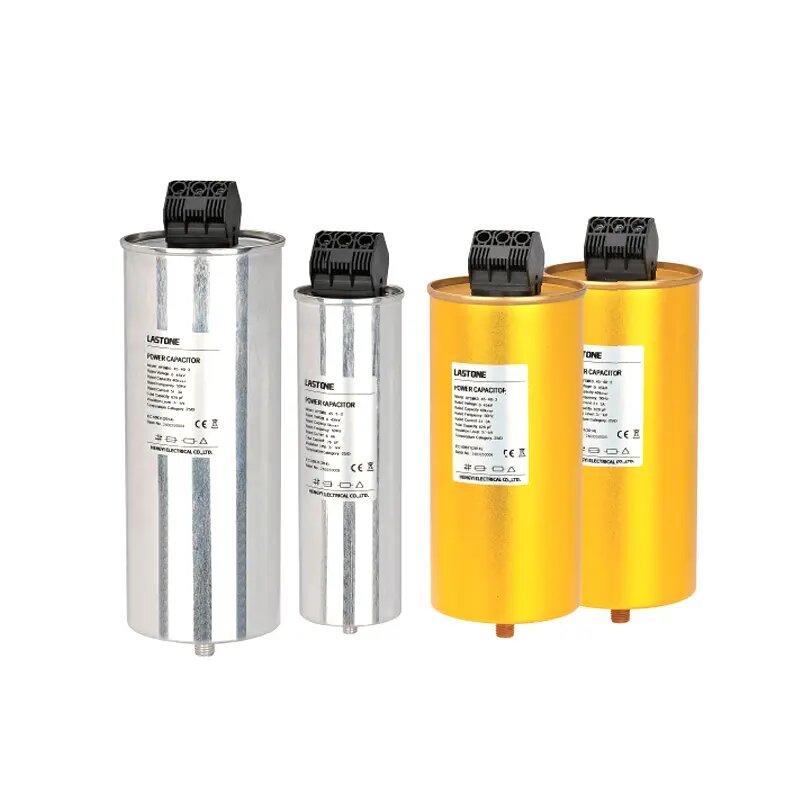
Series like the HYSMK exemplify this focus on applied reliability. Their design tackles real installer and facility manager pain points directly. The robust aluminum shell, for instance, is built for environments with significant fluctuations. Features like secure mounting feet and user-friendly terminals are designed for a safe, straightforward installation. This holistic approach to durability and practical design ensures the capacitor performs reliably for years, securing your system’s efficiency with minimal hassle.
Securing Your System’s Efficiency for the Long Term
Choosing the right capacitor is a critical decision for optimizing your electrical system. By prioritizing units with proven self-healing technology, environmental toughness, and installer-friendly features, you’re investing in long-term performance and peace of mind. For your next project, selecting a thoughtfully designed series means building a more resilient and cost-effective operation from the panel up.
Post time: Jan-09-2026