


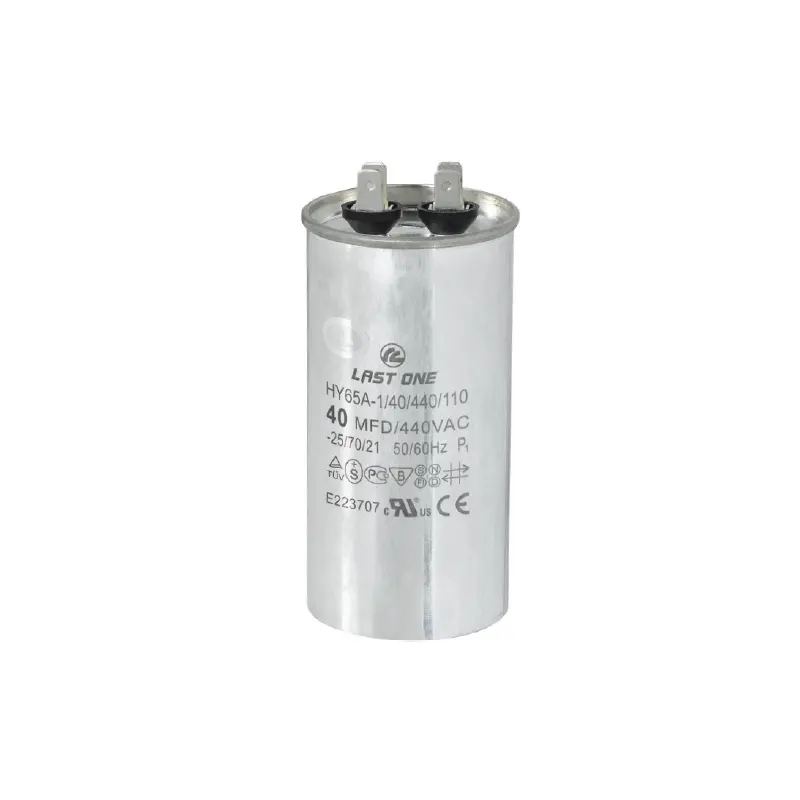
When your AC struggles, a failing AC motor capacitor is often to blame. This key part provides the energy boost to start the compressor and fan motors, then helps them run smoothly. Over time, heat and wear can weaken it. Recognizing early signs like hard starting, weak cooling, or unusual sounds can help you avoid a full breakdown and costly repairs.
Key Signs Your AC Capacitor Might Be Failing
If you notice any of the following issues, a bad capacitor could be to blame:
◆Hard Starting: A loud hum without the unit turning on, or several attempts needed to start, often signals a weak capacitor failing to provide the necessary starting boost.
◆Weak Cooling: If the fan runs but only warm air comes from the vents, the compressor may not be engaging due to an insufficient electrical jolt from a failing capacitor.
◆Short Cycling: Frequent, random on-and-off cycles can indicate the capacitor is unable to maintain a steady electrical current for consistent motor operation.
◆Unusual Noises: Persistent humming or clicking from the outdoor condenser usually means a motor is struggling to start because of a failing capacitor.
◆Visible Damage: With power safely disconnected, a bulging, leaking, or corroded capacitor casing is a clear visual sign the component has failed and must be replaced.
Why the AC Motor Capacitor Matters
The AC motor capacitor is essential for starting and efficiently running your AC’s motors. It provides the initial jolt of energy to overcome inertia and then helps maintain stable operation. A system uses a start capacitor for that initial boost and a run capacitor for ongoing efficiency. When a capacitor fails, it not only reduces cooling but can also strain motors, leading to more serious damage. While regular maintenance can help, expect to replace an AC motor capacitor every 5 to 15 years depending on use and environment.
What to Do If You Suspect a Problem
Safety should always come first when dealing with electrical components. Capacitors can hold a dangerous charge even when the power is switched off.
◆Do not attempt to replace the capacitor yourself unless you have proper training and tools. The risk of electric shock is significant.
◆Contact a licensed HVAC technician for a professional diagnosis. They can test the capacitor with a multimeter, confirm whether it’s faulty, and install a correctly rated replacement safely.
◆Consider scheduling annual maintenance to catch issues early. A technician can check the capacitor’s health during a routine visit and help prevent unexpected failures.
Preventing Future Capacitor Issues
◆Keep the area around your outdoor unit clear of debris to ensure proper airflow and reduce overheating.
◆Install a surge protector to guard against voltage spikes from storms or power fluctuations.
◆Address any AC performance issues promptly ignoring strange sounds or weak cooling can lead to bigger problems.
Recognizing the symptoms of a failing AC motor capacitor can save you significant trouble. If you notice any warning signs, contacting a professional is the safest and wisest choice. A timely repair will quickly restore your cooling and keep your system running efficiently.
Post time: Jan-23-2026