


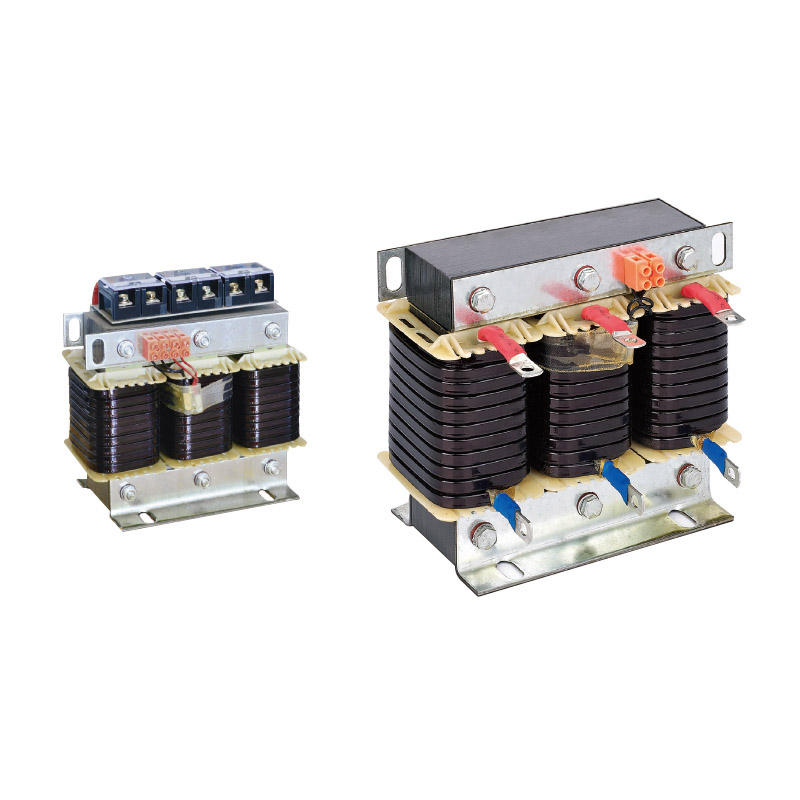
A harmonic filter reactor is a passive electrical component that works alongside capacitors to reduce harmonic distortion in power systems. In simple terms, it helps keep the power clean. When variable frequency drives, rectifiers, UPS units, or other non-linear loads generate unwanted harmonics, a well-tuned filter reactor steps in to absorb and limit those distortions. This protects sensitive equipment from overheating, nuisance tripping, and premature failure. For facilities managing motors, automation lines, or renewable energy systems, it is a practical piece of the power quality puzzle.
Why Harmonics Create Real Problems
Harmonics are more than a technical annoyance. They cause transformers and cables to run hotter than expected, trigger breaker trips, and shorten the life of connected equipment. Over time, the extra stress leads to higher energy bills and unexpected downtime. A harmonic filter reactor works by creating a tuned circuit with capacitors, targeting specific harmonic frequencies commonly the 5th, 7th, or 11th and diverting them away from the main supply. The result is a cleaner waveform, cooler running temperatures, and a more stable electrical environment.
Where Harmonic Filter Reactors Are Used
These reactors show up in a wide range of industries and applications. Common examples include:
●Manufacturing plants with large numbers of VFD-driven motors.
●HVAC systems in commercial buildings using variable-speed compressors.
●Water and wastewater treatment facilities with pump drives.
●Solar and wind power installations where inverters connect to the grid.
●Data centers where UPS systems and server power supplies produce harmonics.
●Mining and heavy industry sites with large rectifier loads.
In each setting, the basic need is the same: reduce harmonic distortion to meet power quality standards and keep equipment running reliably.
Key Features Buyers Should Look For
Not all harmonic filter reactors are built the same. When comparing models, a few practical details make a meaningful difference:
●Inductance linearity under load. A reactor that saturates too early loses its filtering ability when needed most.
●Temperature class and thermal design. Look for insulation rated for expected operating temperatures, with adequate cooling and ventilation.
●Tuning frequency accuracy. The reactor must match the capacitor and the target harmonic order precisely.
●Overload and overcurrent tolerance. Industrial environments rarely stay within textbook conditions.
●Enclosure type and protection rating. Indoor and outdoor installations call for different levels of dust and moisture protection.
●Compliance with relevant standards. IEC, IEEE, or local grid codes often apply.
A supplier who can share test reports, temperature rise data, and inductance curves makes the selection process more transparent and less risky.
Installation and Practical Considerations
Installing a harmonic filter reactor is not a standalone fix. It forms part of a tuned filter circuit, so the reactor and capacitor must be carefully matched during design and installation. Placement matters too. Adequate spacing helps with heat dissipation, and the mounting structure should handle the reactor’s weight and possible vibration. Regular thermal inspections after commissioning can catch loose connections or unexpected heating before they turn into failures.
Frequently Asked Questions
What is the difference between a line reactor and a harmonic filter reactor?
A line reactor is a general-purpose inductive device placed in series to add impedance and smooth current spikes. A harmonic filter reactor, by contrast, is specifically designed to work with capacitors in a tuned circuit that targets and absorbs particular harmonic frequencies.
How do I know if my facility needs a harmonic filter reactor?
Common signs include frequent breaker trips, overheating transformers or cables, flickering lights, and equipment that fails earlier than expected. A power quality audit or harmonic study can measure the actual distortion levels and identify whether filtering is needed.
What happens if the reactor and capacitor are not correctly matched?
Poor matching leads to ineffective filtering, potential resonance problems, or overheating. The filter may fail to reduce harmonics or even make the situation worse by creating new resonance points in the system.
Are harmonic filter reactors maintenance-intensive?
They are generally low-maintenance devices. Periodic visual inspections, torque checks on connections, and thermal imaging to spot hot spots are usually enough. In dusty or humid environments, keeping ventilation paths clear helps maintain proper cooling.
Summarize
A harmonic filter reactor isn’t about the lowest upfront cost. It’s about fitting the electrical environment, load profile, and total ownership cost. One that overheats, detunes, or fails under surges costs more than it saves. The right reactor limits harmonics, protects assets, and delivers power quality without constant attention a quiet, valuable investment for reliability-focused buyers.
Post time: Jun-03-2026