


Capacitor Contactor In electrical power systems, devices serve a crucial function, especially in switching and taking care of power factor correction capacitances. Specially made for being capable of receiving high inrush currents, these contactors ensure reliability and safety of capacitor banks when turned on. This guide will discuss the concept of capacitor contactors, their principles of working, types and distinction from standard contactors.
What Is a Capacitor Contactor?
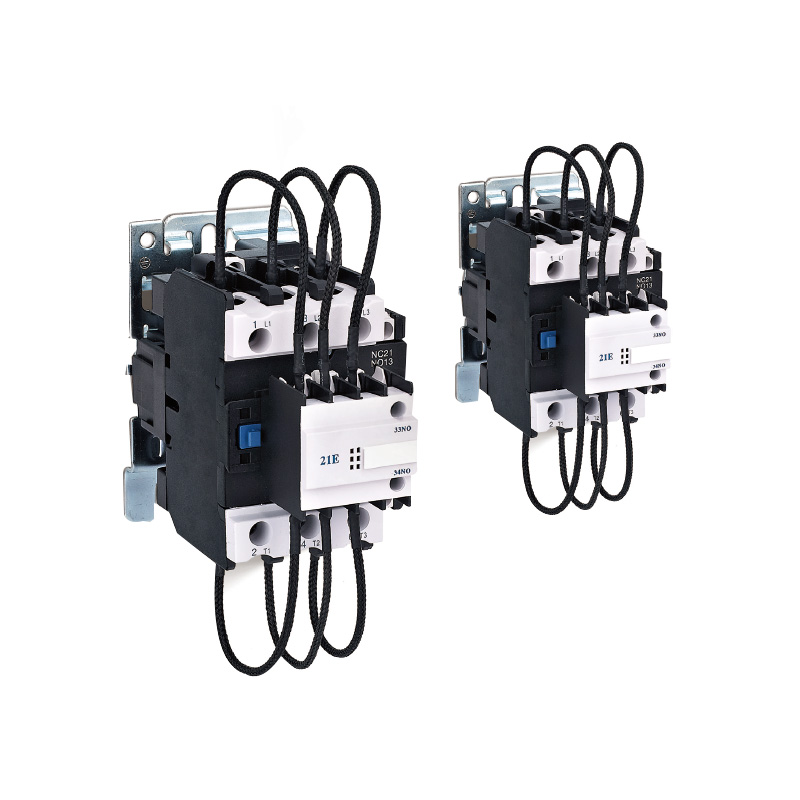
A capacitor contactor is a type of electromechanical switch designed to connect or disconnect power factor correction capacitors from an electrical circuit. Common types of contactors could not handle the high electrical surge that happens when a capacitor is energized. A capacitor contactor solves this problem by providing devices with pre-insertion resistors and reinforced contacts.
How Does a Capacitor Contactor Work?
Capacitor contactors are mainly used to connect capacitor banks to a power supply in a systematic way. When capacitors are energized, they pull a very heavy amount of energy. To mitigate this, capacitor contactors come with pre-insertion resistors that provide resistance for the initial current. After a fraction of a second, these resistors are removed from the circuit and normal operation resumes. The result of the above operation is that both contactor and capacitors are protected against damaging factors and have a prolonged life.
Types of Capacitor Contactors
Several types of capacitor contactors are available, suited for different applications:
● Capacitor Duty Contactor: Built for high inrush currents, featuring specially designed contacts and resistors.
● Capacitor Switching Contactor: Utilized in automated power factor improvement panels, usually with additional circuits for smart management.
● Capacitor Changeover Contactor: Applied when switching capacitors between networks or voltage levels, ensuring proper sequencing.
Recent designs may integrate mechanical engineering with electronics to deliver diagnostics and facility control.
Capacitor Contactor vs. Standard Contactor
The difference between capacitor contactors and standard contactors is in handling of the inrush current. Standard contactors designed for motors and lighting load are incapable of handling the high initial surge when the capacitor is energized, which leads them to excessive wear or burnout. In contrast, capacitor contactors are designed to withstand these surges due to the use of arc suppression techniques and durable contacts.
Applications of Capacitor Contactors
Capacitor contactors are primarily found in:
Automated power factor correction panels consist of switching capacitor banks according to the commands of the system controller.
The electrical distribution boards are widely employed in commercial and industrial premises for the management of power quality and energy cost reduction.
Motor control centers assist in minimizing voltage drop and avoiding penalties for low power factor.
Selecting the Right Capacitor Contactor
Key factors to consider when choosing a capacitor contactor include:
● Inrush Current Rating: Ensure the contactor can handle the expected surge current.
● Voltage and kVAR Capacity: Verify these ratings with your existing capacitor bank to assess compatibility.
● Integration: Ensure that any unit you utilize is comparable with your system for easy functioning.
FAQ
What Types Are Accessible?
The array of contactors include capacitor duty, switching, changeover types, as well as intelligent electronic hybrids used in sophisticated systems.
What is the Difference between a Capacitor Contactor and a Regular Contactor?
Unlike standard contactors, capacitor contactors are designed to endure the high current linkages that come from the capacitors.
Where Can You Find Capacitor Contactors?
The most common places where capacitor contactors are present include automatic power factor correction systems, power distribution circuits and motor control centers.
It is important to choose the right capacitor contator in order to achieve proper power factor correction. Special characteristics such as better contacts and pre-insertion resistors can result in better reliability and lifetime performance. Always make sure that you consider particular needs of your system before selecting the necessary solution.
Post time: Sep-21-2026