


When identifying an electrical issue with your AC or replacing your AC capacitor, knowing the appropriate wiring color of your air conditioning capacitors is very important. If you incorrectly wire the capacitor into the AC system, you could cause damage to the HVAC system, cause an electrical fire, or not be able to get the AC unit to work properly. This article will give you everything you need to know about the wiring colors of capacitors, what the wiring colors of capacitors do, and how to correctly wire an AC capacitor.
What is a Capacitor in an Air Conditioning System?
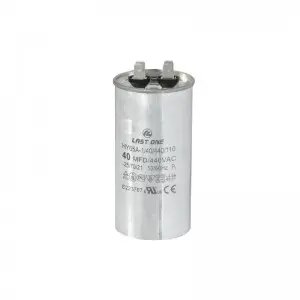
Capacitors can be considered one of the most important components of your HVAC system. They are used to store energy and then discharge that energy to operate the compressor, fan motor, and blower motor. The AC capacitors will typically be made up of two different types of capacitors: start capacitor and run capacitor. Each type operates independently of one another, however, both types contribute to the AC’s efficiency and function and work together to reach maximum efficiency.
When an air conditioning system needs to connect the various wires to the various wires that are of different colors, and those wires should be connected to their respective colored wire connections in the same manner as they were originally connected. Knowing and identifying the three wires of your air conditioner capacitor is essential to performing maintenance or repairs on it.
Common Colors for AC Capacitors
The different colors of wires will depend on the HVAC manufacturer but a standard AC capacitor uses the following:
- Common (C) – Black or White: This wire is connected to the common terminal of the AC capacitor for grounding purposes.
- Fan (F) – Brown: This wire connects to the fan motor to allow for the fan to operate and move air.
- Herm (H) – Yellow or Purple: This wire connects to the compressor and provides power to initially start the compressor and continue to run it.
You may want to consult the manufacturer’s wiring schematic as color codes can change slightly across various HVAC systems.
How to Safely Wire an AC Capacitor
To wire your AC capacitor correctly and safely, there are several precautionary steps and procedures to follow:
- Turn off power: Make sure to turn off your HVAC unit and unplug it from all power sources to prevent electric shock.
- Discharge the old capacitor: Prior to touching the old capacitor, you must first discharge any stored electricity by utilizing an insulated hand tool.
- Mark/label the wires: Use tape to label each of the wires or take pictures of the wiring configuration before removing them from the old capacitor to help you reinstall them properly.
- Wire the new capacitor: After you have identified which wire is which, attach it to its corresponding terminal on the new capacitor using a terminal screw. Match wire terminations with their respective colors (Black/White for Common, Brown for Fan, and Purple or Yellow for Hermetic).
- Secure the capacitor: Place the capacitor in its holder, ensuring it is fastened properly.
- Restore power: Once the wiring is finished, re-energize the unit and check that your air conditioning system works.
If you are not familiar with electrical systems or you are hesitant to connect the capacitor yourself, seek the assistance of a qualified HVAC technician.
Signs That You May Need to Replace Your Capacitor
As capacitors age, it is important to identify the early signs of a failing capacitor so that you can correct any problems. Here are signs that your air conditioning capacitor is going to fail:
- Humming noise from the outdoor unit.
- Fan blades will not spin even though the air conditioner is powered.
- Frequent trips to the circuit breaker.
- Not enough coolness, or inconsistent temperature control.
- Energy bill spikes without the use of additional units.
If you see any of these signs, examine the capacitor for visible evidence of failure such as bulging or leaking, as these indications generally mean replacement is necessary.
Frequently Asked Questions (FAQs)
What does each of the wire colors mean in a capacitor?
Air Conditioning capacitor AC capacitor wiring colors are identified with each wire serving an important role. A Black or White wire means “Common,” a Brown wire means “Fan,” and Yellow or Purple wires are for “Herm” or compressor power supply.
Can you use a different color wire than the wire from the capacitor?
Most capacitor wiring has a standard color code. You should always rely on the wiring diagram provided with your air conditioning system for verification. Wires may not always be color-coded the same for each unit.
Can I experience danger if I wire a capacitor incorrectly?
Yes! If a capacitor is wired incorrectly, you can cause serious damage to your air conditioning system and create an electrical hazard. If you do not have the experience to wire properly, the safest way to connect the capacitor is with the help of a qualified HVAC technician.
Are all capacitor wiring colors the same?
No! Like all capacitor wiring, capacitor wiring colors can differ slightly from different manufacturers or models of air conditioning systems. Be sure to refer to the wiring diagram that came with your air conditioning unit.
Can I replace a capacitor by myself?
If you know how to work with electrical systems safely and can take all the necessary safety precautions, you may be able to replace the capacitor yourself. However, if you have any questions about your abilities or knowledge level, it may be best to consult with a qualified technician.
Understanding Air Conditioning Capacitor AC Capacitor Wiring Colors as part of the safe operation and repair of HVAC systems is important. By carefully identifying the wiring colors when troubleshooting or replacing a faulty component and by referring to the manufacturer’s wiring diagram, you will be able to safely and effectively operate your air conditioning system. If you are not sure or experience any problems or require any assistance, the best solution is to contact a qualified technician so that your air conditioning unit runs safely and efficiently.
Post time: Mar-30-2026