


If you’re looking to improve your electrical system’s efficiency and reliability, you’ve likely come across the term low voltage power capacitor. But what exactly is it, and why might your facility need one? This guide explains their role in plain terms, covering their benefits, common uses, and what to look for when considering an upgrade.
What is a Low Voltage Power Capacitor?
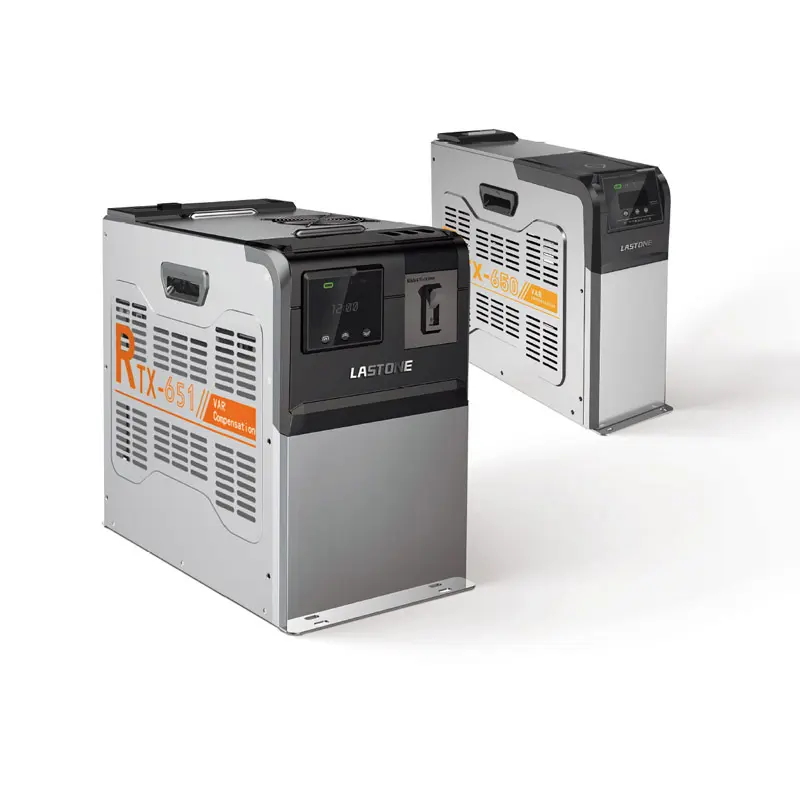
In essence, a low voltage power capacitor is a device that stores electrical energy and releases it when needed within systems operating at voltages typically under 1,000V. Its primary function isn’t to power equipment directly, but to optimize the existing power supply. Think of it as a regulator that smooths out inefficiencies in your electrical network, ensuring everything runs more smoothly and costs less to operate.
Key Benefits and Why They Matter
The most significant advantage is power factor correction (PFC). A poor power factor causes your system to draw more current than necessary to do the same work, leading to wasted energy. By installing a suitable low voltage power capacitor, you actively correct this issue. The direct result is often a noticeable reduction in energy consumption and lower utility bills, a core concern for any business owner or plant manager.
Beyond cost savings, these capacitors enhance system performance and longevity. They provide voltage support, reducing sags and fluctuations that can stress motors and sensitive electronics. This leads to fewer interruptions, less wear and tear on equipment, and improved overall power quality.
Typical Applications
◆These components are workhorses in various settings:
◆Industrial Facilities: For motor loads, conveyor systems, and machine tools.
◆Commercial Buildings: Within HVAC systems, air handling units, and main distribution boards.
◆Renewable Energy Systems: Such as solar photovoltaic (PV) installations, helping to stabilize the injected power.
Choosing the Right Capacitor
◆When selecting a capacitor for power factor correction, key considerations include:
◆Voltage Rating: Must be suitable for your network’s voltage level.
◆Reactive Power (kVAR): The rating needed for effective correction in your specific setup.
◆Design and Safety: Modern, dry-type capacitors with self-healing technology offer enhanced safety and require minimal maintenance compared to older liquid-filled models.
Summarize
Integrating a low voltage power capacitor is a proven, straightforward step toward a more efficient and resilient electrical system. Whether driven by the goal of cutting operational costs or ensuring smoother equipment performance, understanding this component provides a solid foundation for making an informed decision. Evaluating your system’s needs with these points in mind will guide you toward the right solution for improved power management.
Post time: Jan-30-2026